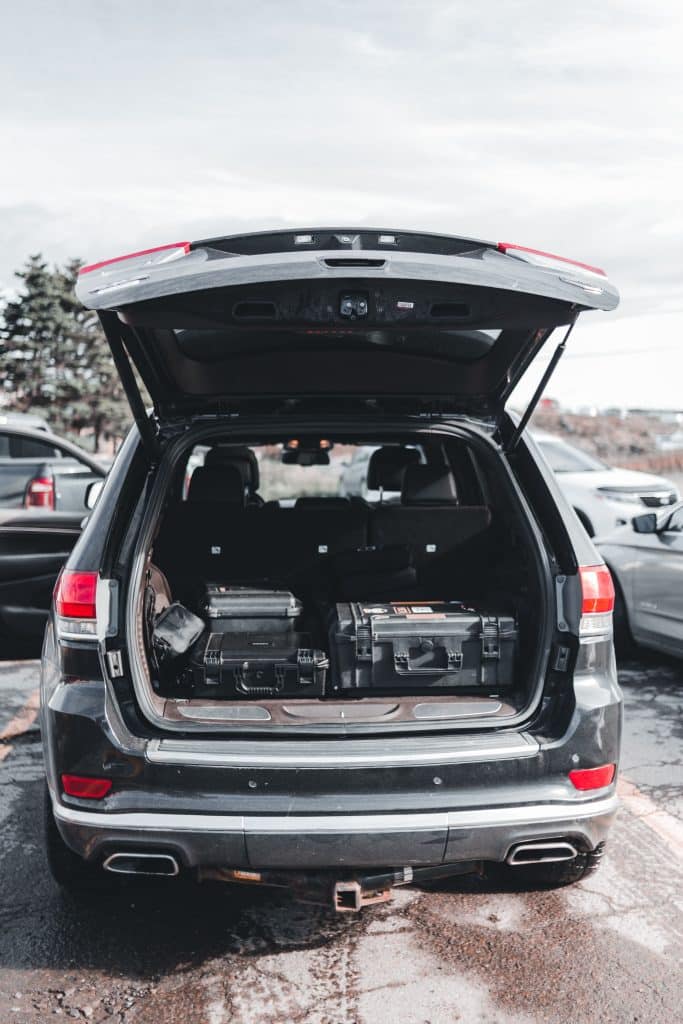
Mobile nail businesses built around bridal parties and busy parents who can’t get to a salon can do well, but they’re also sensitive to things outside the tech’s control: rising gas prices, or a couple of regular clients moving away in the same month, can tip the numbers quickly. Mobile work isn’t a scam or a bad idea, but it’s a business model with a specific set of trade-offs, and it doesn’t suit everyone the same way a salon chair does.
What “mobile nail technician” actually means
A mobile tech travels to the client, typically their home, rather than working from a fixed salon or suite location. Some mobile techs work exclusively this way; others combine it with a part-time salon shift or booth rental as a secondary income stream. It’s distinct from a home-based suite, where clients travel to you at a private location, which carries a different set of considerations covered in our guide on becoming a licensed nail technician.
Licensing and insurance don’t go away
Working mobile doesn’t reduce your legal requirements; if anything, it adds to them. You still need your state nail technician license, and you’ll typically need general liability and professional liability insurance, arguably more important here than in a salon, since you’re working in unfamiliar spaces without a salon’s established sanitation setup or a manager to call if something goes wrong. Some cities and counties also require a separate mobile business license or home-based business permit, which varies enough by jurisdiction that it’s worth a direct call to your local licensing office rather than assuming. Full detail on coverage types and typical cost in our guide to nail technician insurance.
Legal note: Licensing and permit rules vary by state, county and city. Confirm with your state board and local licensing office; the U.S. Small Business Administration’s licenses and permits guide explains how to find local requirements.
What the equipment list actually looks like
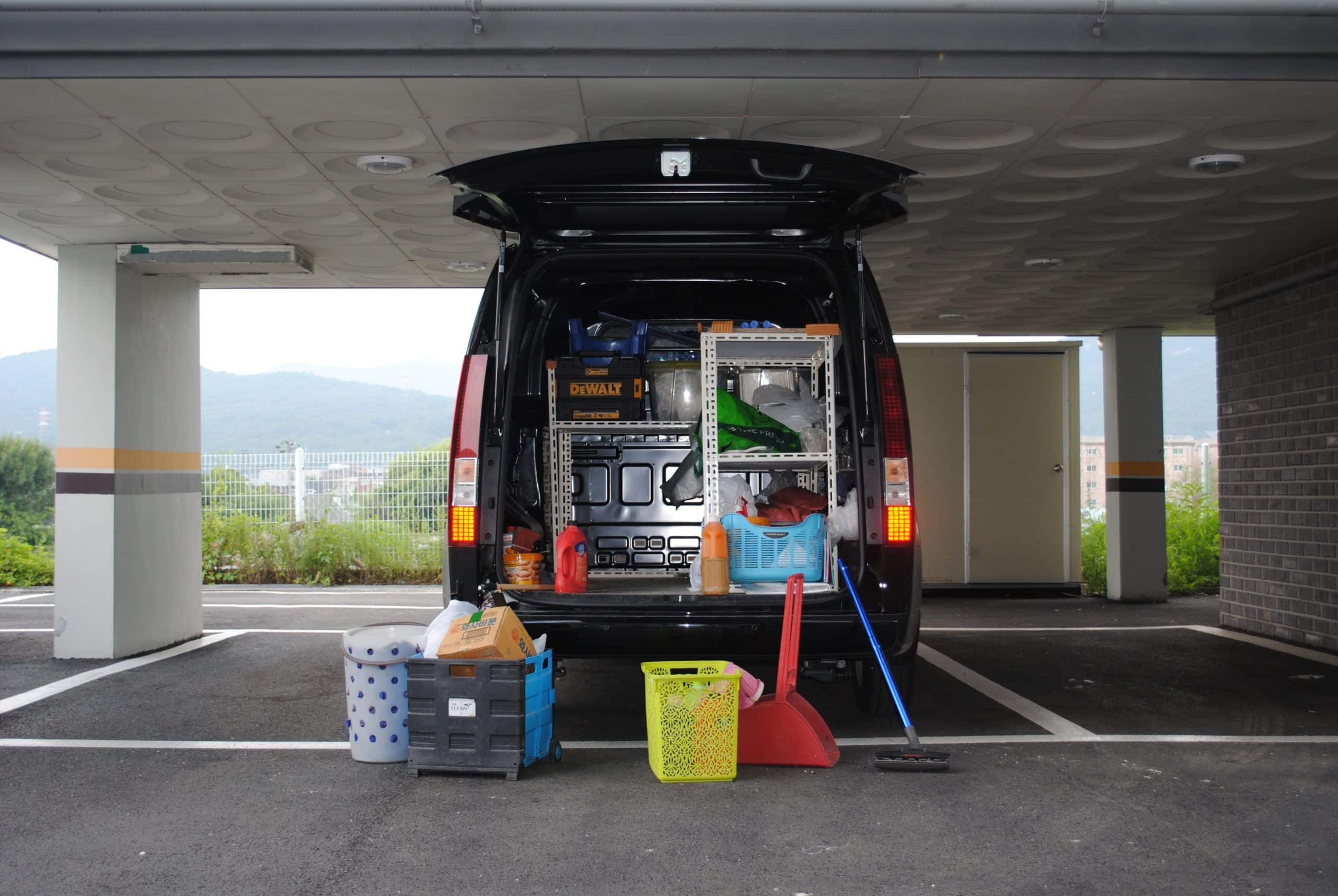
A portable manicure table or tray system, a battery or plug-in nail lamp (voltage and space in someone’s living room aren’t always salon-standard), a compact e-file if you offer enhancements, a way to disinfect tools between clients that meets the same state sanitation standard as a fixed location, and enough product stock to not run out mid-appointment with no backup nearby. All of this needs to fit in a car and get set up and broken down quickly, which changes what “efficient service time” means compared to a stationary salon chair.
Pricing has to cover more than the service itself
A mobile set typically costs more than the same service at a salon, and it should, since the price is covering travel time, gas, wear on a vehicle, and the setup/breakdown time on both ends of the appointment, not just the manicure itself. Many mobile techs charge a flat travel fee on top of the service price, or set a minimum distance radius beyond which they simply don’t book. Undercharging to stay “competitive” with salon prices is one of the most common ways new mobile techs quietly lose money on every appointment without noticing for months.
Demand isn’t guaranteed
Fuel and vehicle costs eat into the margins of a mobile business, and in some markets booking-app beauty services compete hard on price. None of that means the model is dead, but it’s worth going in with eyes open rather than assuming demand only grows, the way some career-advice content still implies. Check what local mobile techs charge and how booked they are before you commit.
Who this setup actually suits
Techs with an existing client base willing to pay for convenience, techs in areas with genuine gaps in salon access, and techs who specifically want the scheduling flexibility and don’t mind the logistics of driving and hauling equipment daily. It suits fewer people than the “be your own boss” framing around it suggests, mainly because the unglamorous parts (loading a car, navigating someone’s tiny bathroom for handwashing, chasing cancellations with no walk-in traffic to fill the gap) rarely make it into the pitch.

Testing the model before committing to it fully
Rather than quitting a salon position outright, most techs who end up successfully mobile start by offering it as a weekend or evening side option alongside a regular chair, seeing whether demand and pricing actually hold up before giving up a stable base. This also surfaces the unglamorous logistics early, at low stakes: how long a real setup and breakdown takes in an unfamiliar house, how often a client cancels last-minute with no walk-in traffic to absorb the gap, and whether the travel radius that sounded reasonable on paper is sustainable after a few months of actually driving it.
Sanitation is harder to control away from a salon
A fixed salon location has a permanent sink, a dedicated disinfection setup, and often a state inspector who’s already been through it. A mobile setup has to recreate an equivalent standard in someone’s kitchen or living room, every single appointment, using portable tools that meet the same state sanitation requirements as a fixed chair. This isn’t optional flexibility; state boards generally hold mobile techs to the identical sanitation standard as salon-based ones, just without the fixed infrastructure that makes it easier to maintain consistently.
Before you set your mobile prices, it helps to know what salon-based techs earn where you live. Our nail technician salary guide breaks that down by employment type and location, which gives you a floor to price against.
Frequently asked questions
Do mobile nail technicians need a special license?
The core state nail technician license is the same one required for salon work. Some cities or counties additionally require a mobile business license or home-based business permit; check with your local licensing office directly.
How much should I charge as a mobile nail technician?
Enough to cover the service itself plus travel time, gas, and setup/breakdown time, typically with a separate travel fee or a minimum service radius rather than folding travel costs invisibly into the service price.
Is mobile nail tech work still in demand?
It depends on the local market. Demand hasn’t disappeared, particularly for events like bridal parties and for clients with genuine mobility limitations.
What insurance do mobile nail technicians need?
General liability and professional liability insurance are standard, and arguably more important for mobile work than salon work, since you’re operating in spaces without a salon’s fixed sanitation infrastructure.
Can I do mobile nail services part-time alongside a salon job?
Yes, many techs do exactly this, using mobile work as supplemental income around a primary salon or booth rental schedule.