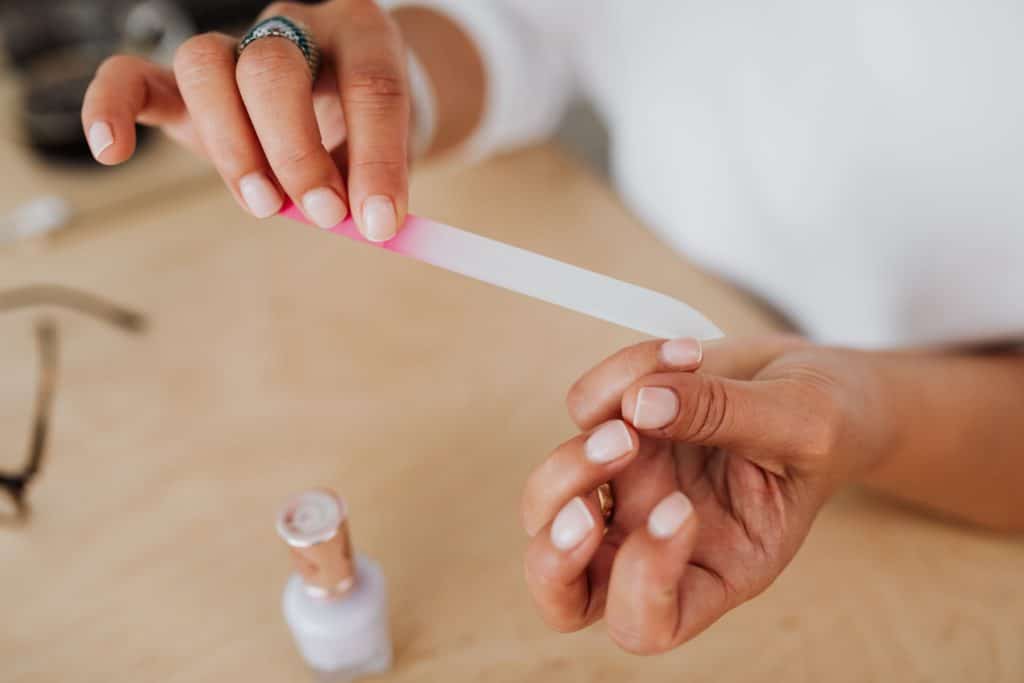
A woman sat down a few months ago and told me she didn’t want "fake nails," she just wanted her own nails to stop peeling and snapping every other week. That request, minus the extension length most people picture when they hear "gel nails," is exactly what a gel overlay is for. No tip, no form, no added length. Just a thin, cured layer of gel over the natural nail plate.
What a gel overlay actually is
A gel overlay is hard gel or builder gel applied directly to the natural nail, shaped to follow the nail’s own curve, and cured under a lamp, with no tip or form used to extend past the free edge. The goal isn’t length. It’s a protective, reinforcing shell over what’s already there. Some length can be added at the free edge for structural balance, usually a millimeter or two, but that’s a byproduct of good application technique, not the point of the service.
This is different from a full extension, where a tip or form builds new length that doesn’t exist on the natural nail. It’s also different from gel polish, which adds color and shine but almost no structural strength, since gel polish layers are far thinner than an overlay.
Who actually needs an overlay instead of an extension
Overlays solve a specific problem: natural nails that are otherwise decent length but weak, thin, or prone to peeling and splitting. If your nails grow fine but don’t survive two weeks without a break or a peel starting at the tip, an overlay gives the plate a rigid shell to grow out underneath, protected, without changing the shape or length you’re used to.
They’re also the right call for anyone recovering from nail damage, whether from over-filing, acrylic removal done too aggressively, or just a long stretch of bare nails that never toughened up. The overlay acts as a cast while the natural nail underneath strengthens and grows out.
Where overlays fall short: if what you actually want is significant length, an overlay isn’t the service. Product without a tip or form underneath can only build so much length before it becomes structurally unstable and prone to snapping at the free edge, since there’s no reinforced base holding that extra length up. For real length, you’re looking at a full extension system, and hard gel nails: the complete guide or what is builder gel covers what those involve.
Hard gel overlay vs. builder gel overlay
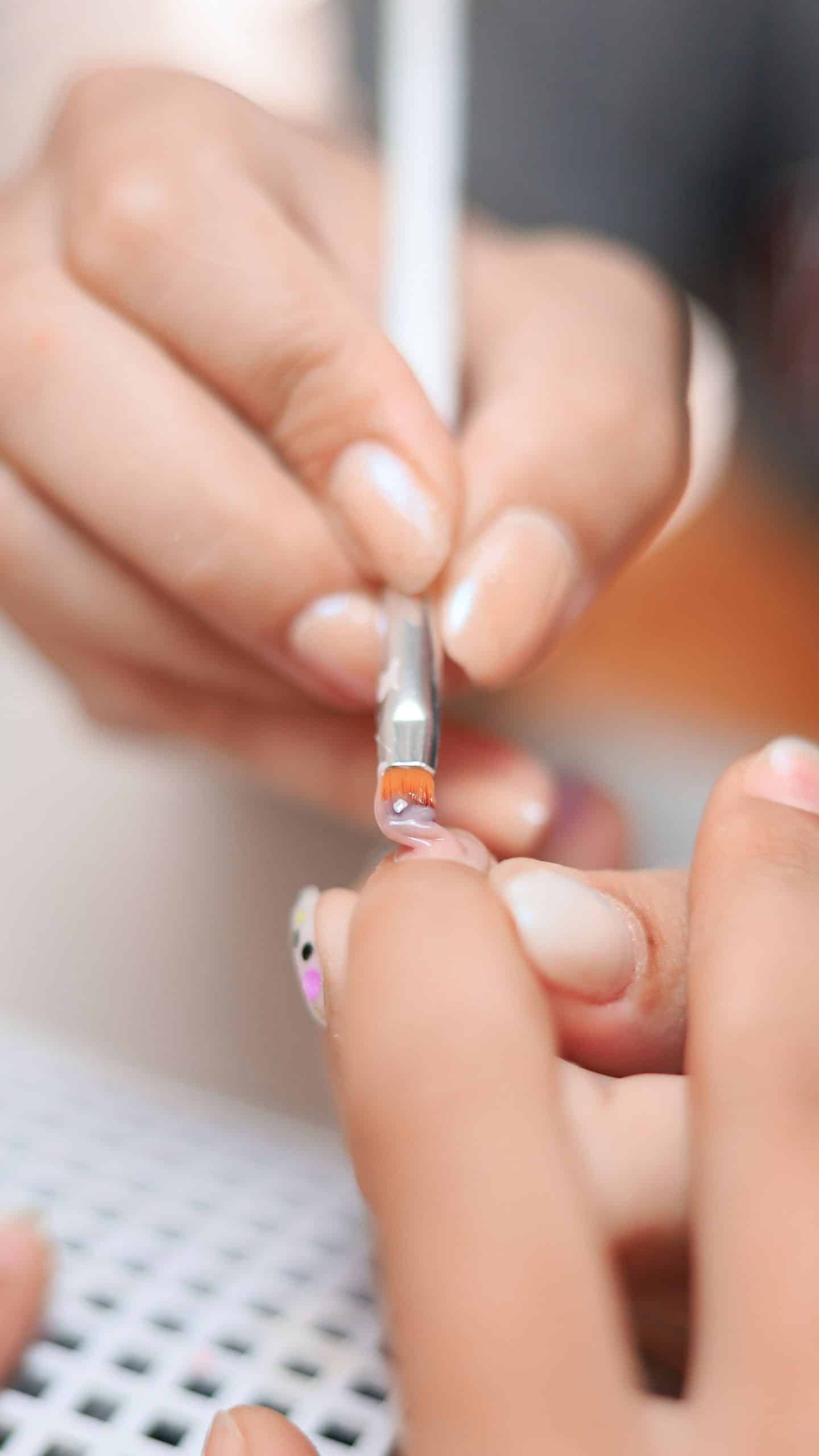
Both hard gel and builder gel get used for overlays, and the choice mostly comes down to how the set gets removed and how much rigidity you want.
A builder gel overlay soaks off in about 10 to 15 minutes of acetone wrap, same as any soft gel product, which makes it the lower-maintenance choice for anyone who wants to switch styles often or isn’t confident having a hard gel removal done. It’s also slightly more flexible, which some clients find more comfortable on nails that are already a little brittle.
A hard gel overlay has to be filed off, same rules as a full hard gel extension, but offers more rigidity for someone whose nails need real reinforcement rather than a light protective layer. Techs tend to reach for hard gel overlays on clients with genuinely fragile nails who need the extra structural hold.
Neither is universally better. It’s the same decision as the broader hard gel vs soft gel question, just applied to a service with no added length in the mix.
What the appointment actually involves
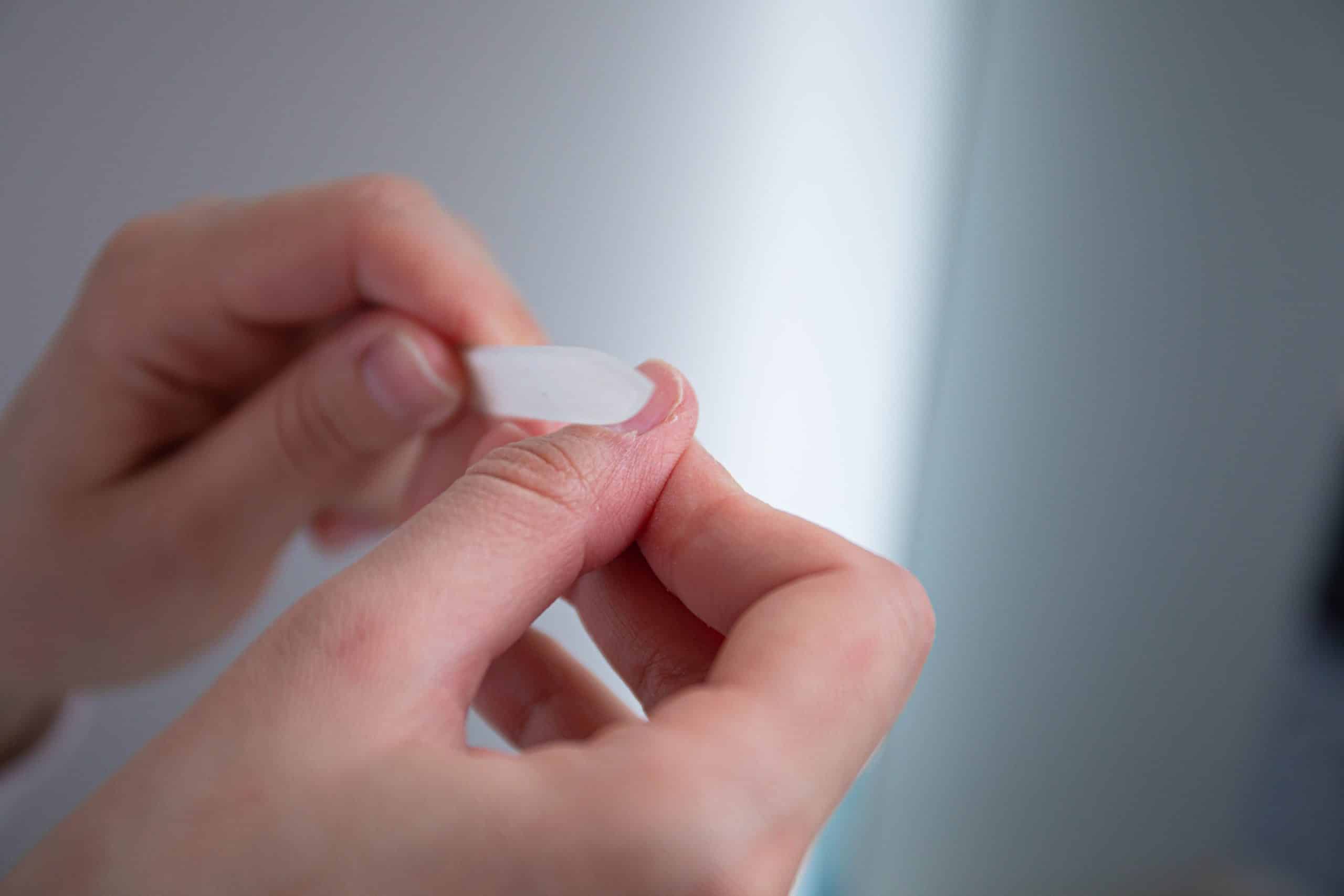
Nail prep runs the same as any gel service: shaping, light buffing to remove shine, dehydrating, priming. The gel goes on in one or two thin layers, cured between coats, and shaped to follow the natural curve of the nail bed rather than built up into an apex the way an extension would be. Because there’s no tip or form to work around, application tends to run faster than a full extension, often 45 minutes to an hour for a full set.
Fill cycles run similar to other gel services, roughly every two to three weeks, sometimes slightly shorter than a full extension since the natural nail underneath is growing and the overlay needs to track that growth closely to avoid an obvious ridge at the cuticle.
FAQ
Does a gel overlay damage natural nails?
Not when applied and removed correctly. The overlay itself protects the nail plate rather than weakening it. Damage risk comes from removal, specifically over-filing a hard gel overlay or picking at a soft gel one instead of soaking it off properly.
Can you add length later if you start with an overlay?
Yes. Once the natural nail has strengthened under the overlay for a few fill cycles, a tech can transition to a tip or form and start building length using the same product.
How is an overlay different from a manicure with gel polish?
Gel polish is a thin color layer with minimal structural strength. An overlay is a thicker, load-bearing layer meant to reinforce the nail, closer in function to builder gel or hard gel than to polish.
Is a gel overlay a good option for weak, peeling nails?
Generally yes, it’s one of the more common reasons techs recommend one. The rigid layer holds the peeling layers together while the nail grows out underneath.
How often does a gel overlay need a fill?
Roughly every two to three weeks, tracking natural nail growth closely since there’s no extension length to buy extra time before regrowth becomes visible.