
A common mistake when a tech goes independent after years on commission is to open the old salon’s menu and copy the prices onto the new booking page. The calendar fills up, yet take-home pay can end up lower than it was as an employee. The math behind nail salon pricing changes completely the moment you go from getting a cut of a price someone else set to covering every cost yourself.
Why you can’t just copy the old price list
On commission, your salon absorbed rent, utilities, and often product cost, and you kept a percentage of the ticket. Independent, every one of those costs is yours before you see a dollar of profit. A $45 gel manicure that felt fine as a 50% commission check is a very different number once product, booth rent, and your own time all come out of that same $45 first.

A simple way to actually build your price
Start with product cost per service. A gel manicure typically runs $4 to $6 in polish, base, top coat, and prep products when you tally it honestly rather than guessing. Add your time: if a service takes 45 minutes and your target hourly rate is $40, that’s $30 of labor on its own. Then add a share of fixed overhead, booth rent or suite lease divided across the services you realistically do in a week, plus a margin on top for slow weeks, supplies you didn’t itemize, and your own profit. Stack those three and you get a number grounded in what the service actually costs you to deliver, not a guess based on what felt fair at your last job.
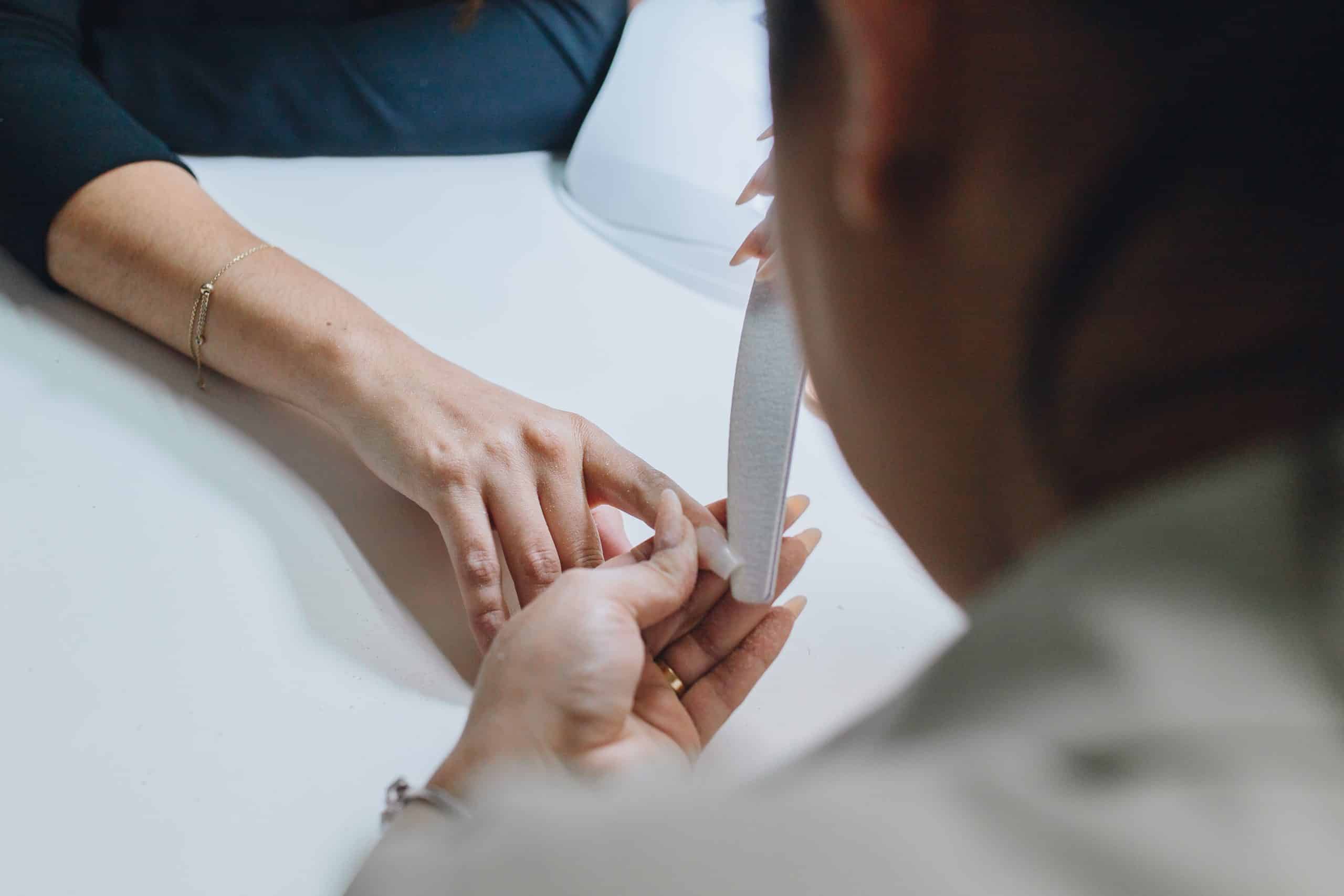
What independent techs are actually charging
Independent pricing tends to run noticeably above salon-employee pricing in the same city, often by a wide margin, because independent techs are specialized and typically spend more time per client than a high-volume salon does. In competitive markets, gel manicures commonly land in the $45 to $60-plus range, BIAB or gel overlay work often starts around $80, and full sets or extensions can run $70 to $110 or more depending on the technique. Those numbers shift a lot by region and by how niche your specialty is, so treat them as a reference point for where independent pricing tends to sit, not a number to copy directly.
Raising prices without losing your regulars
Small, telegraphed increases land better than one big jump. Give existing clients advance notice, a few weeks minimum, and consider holding your current rate for their next one or two appointments if you’re worried about losing them. Most regulars care more about consistency and being told ahead of time than about a $5 or $10 increase. The clients who leave over a modest, well-communicated price change were usually price-shopping in the first place.
If you’re still deciding whether independent work is worth the overhead at all, our guide on going mobile versus staying in a fixed location walks through that setup cost comparison, and nail technician salary breaks down what techs actually take home across different employment types. If you’re earlier in the process and haven’t gotten licensed yet, how to become a nail technician is the place to start.
FAQ
What should a beginner independent tech charge?
Slightly under the local independent average while you build a portfolio and reviews, but not so far under that clients assume something’s wrong. Undercutting the market by half is a common new-tech mistake that’s hard to walk back later.
Should I charge for consultations?
Most independent techs don’t for a quick in-person look, but a paid deposit to hold a booking slot is standard and protects your time from no-shows.
Does my price need to account for tips?
No. Price the service to cover your real costs and target income on its own. Tips are a bonus on top, not a substitute for pricing your time correctly.