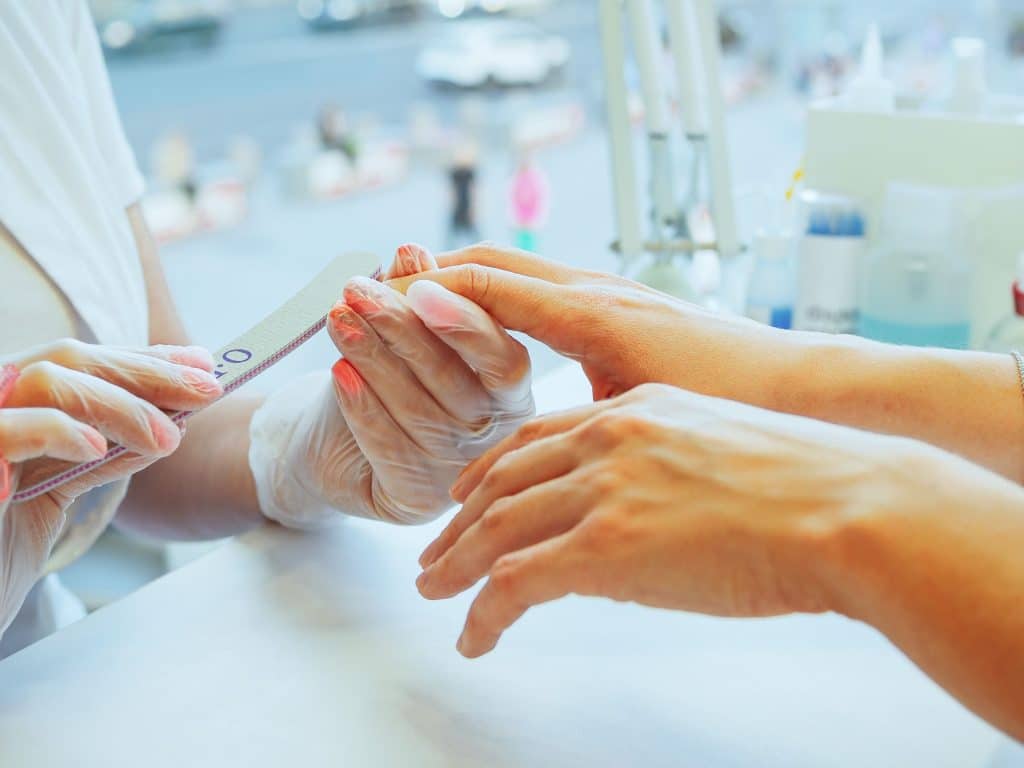
A client comes in for her first gel fill after fifteen years on acrylic and keeps holding her hand up to the light, checking for a crack that isn’t there. She does this through the whole appointment. It isn’t paranoia. It’s fifteen years of muscle memory expecting a rigid, glassy shell, and gel doesn’t hand that feeling back the same way.
The switch, on a timeline
| Milestone | Timing | What to expect |
|---|---|---|
| Acrylic removed (soaked, not filed) | Day 0 | Nails may feel rough or thin at first |
| Optional bare break | 6 to 8 weeks, only if nails came out damaged | New growth reaches the free edge |
| First gel set | Day 0, or after the break | Feels thinner and more flexible than acrylic |
| Adjustment period | 2 to 3 fill cycles, 6 to 9 weeks | Most people stop comparing the flex to acrylic |
| Full nail plate regrowth | 3 to 6 months | Nail plate has fully transitioned |
If you’ve already made the decision, gel over acrylic, and you’re past the “which one is actually better” question (covered in full here), this is the practical part: what actually happens when you’re switching from acrylic to gel, how long it takes before you stop noticing the difference, and where people trip themselves up along the way.
Still doing routine maintenance on the acrylic set while you decide? Our guide to how often an acrylic nail fill actually happens covers where the line sits between a routine fill and a full reset.
Start with a real removal, not a scrape-and-go
The single biggest factor in how switching from acrylic to gel goes for you is how the old acrylic comes off, not what goes on next. Acrylic is dense and doesn’t dissolve in acetone as readily as gel does, so a rushed removal usually means filing or drilling the product off the nail plate instead of soaking it. That’s the step that actually thins nails, not the acrylic itself sitting there for years.
Ask whoever removes your old set to soak it off properly, even if it takes longer than a fill appointment usually runs. If your nails come out of that appointment feeling rough, flexible in a way that worries you, or visibly thin, that’s the acrylic removal talking, not a preview of what gel will do to them going forward.
Decide whether your nails need a break first
Not everyone needs to wait. If your natural nails came out of the old set looking normal, not sensitive, not paper-thin, not peeling in layers, your tech can usually move straight into gel prep at the same appointment. If they came out damaged, that’s a different call.
Nail care guides that deal with recovery after long-term enhancement wear generally put the useful break at six to eight weeks bare before starting a new system, long enough for some fresh, undamaged nail to grow past the free edge. A full nail plate takes three to six months to grow out entirely, since fingernails grow at roughly three millimeters a month, so six to eight weeks won’t erase existing damage. It buys enough new growth that your tech has healthier material to prep and bond to.
A tech who’s seen a lot of transitions can usually tell you in thirty seconds whether your nails need that pause or not. If yours are asking, that’s the question to lead with, not “how long do I have to wait.”
What the first gel set actually feels like
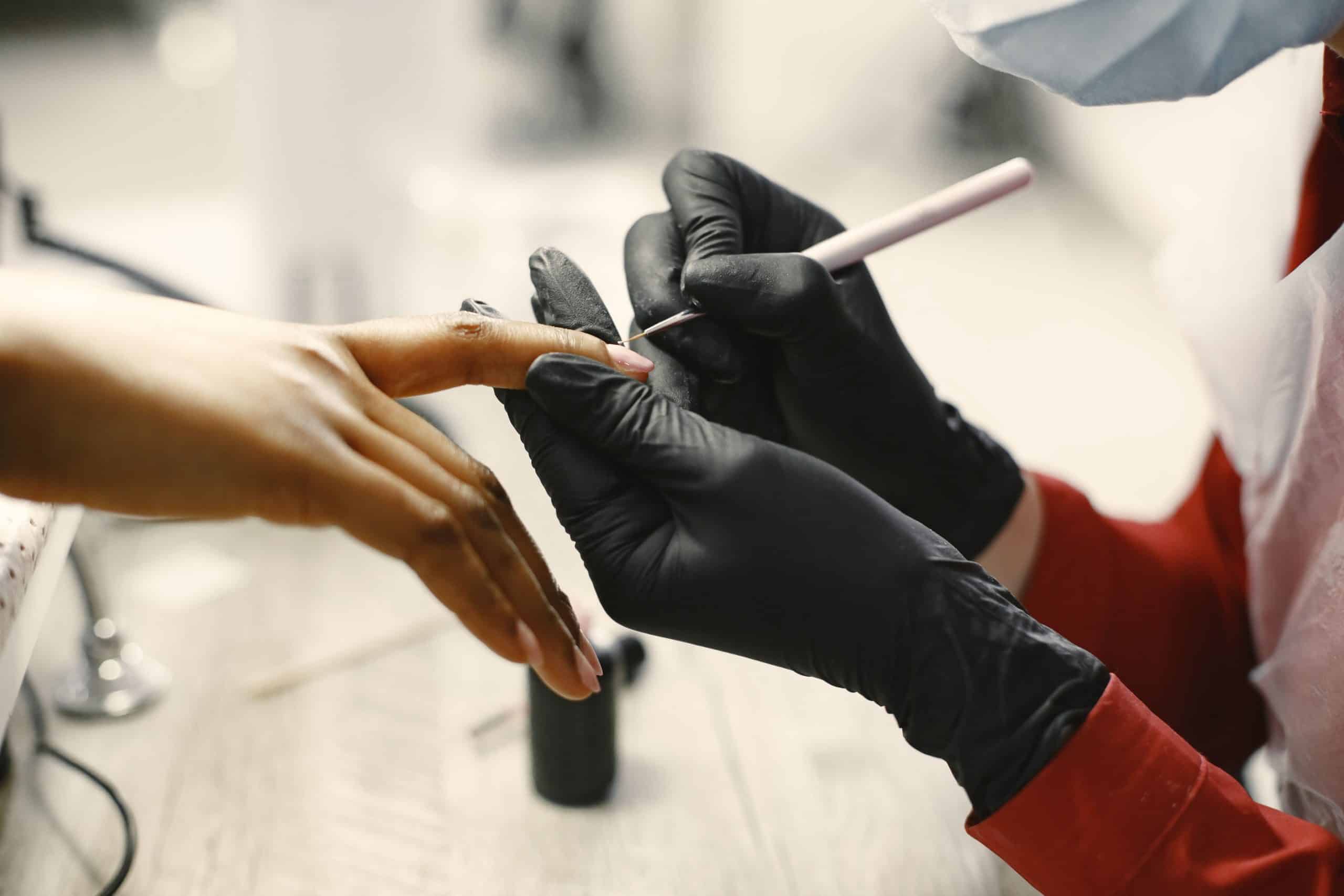
Thinner. More flexible. Less armored. Those are the three words that come up most often from people switching, and none of them mean the set is weaker or was done wrong. Acrylic sets hard and rigid, so your hands have learned to expect a shell that doesn’t give. Builder gel cures with more flex built in, which is exactly why it holds up better against everyday knocks instead of cracking outright, but the first few days it can feel like there’s nothing there.
Techs who switch mediums themselves describe a similar adjustment on the other side of the file: acrylic application is a fast, press-and-stretch motion done before the product sets, gel is a slower push-and-float technique since it stays workable until it’s cured under the lamp. If your nails feel like they’re asking your tech to slow down and use a different touch, that’s because she genuinely is.
Give it three fill cycles before you decide
Anyone switching from acrylic to gel should expect the first set to be a poor preview of the long-term result. It rarely reflects what a settled routine looks like. Your tech is learning how your specific nail bed behaves under a system it hasn’t worn before, and you’re relearning what “normal” feels like without the rigidity you’re used to. Judging gel by set number one is like judging a new pair of shoes after wearing them once around the block.
Give it two to three fill cycles, roughly six to nine weeks at the usual two-to-three-week fill schedule, before deciding whether gel suits your hands. By the second or third fill, most people stop instinctively checking their nails for cracks and stop comparing the flex to acrylic altogether.
Prep changes too, not just the product
Acrylic prep and gel prep aren’t identical, and this is where a tech unfamiliar with switching clients sometimes skips a step. Gel needs a dehydrator to strip surface oil right before application, applied last in the prep sequence, and depending on the system, a primer to help the product bond (the full breakdown of what each one does is here). Acrylic prep leans more on buffing and a bonding agent suited to monomer, not to a UV or LED cure.
If your tech is used to acrylic clients and this is her first time prepping you for gel, it’s worth asking directly whether she’s using a dehydrator and primer, or the routine you’d expect for an acrylic set. The five-step prep sequence gel actually needs is covered step by step here, if you want to check her process against it.
Mistakes people make when they switch
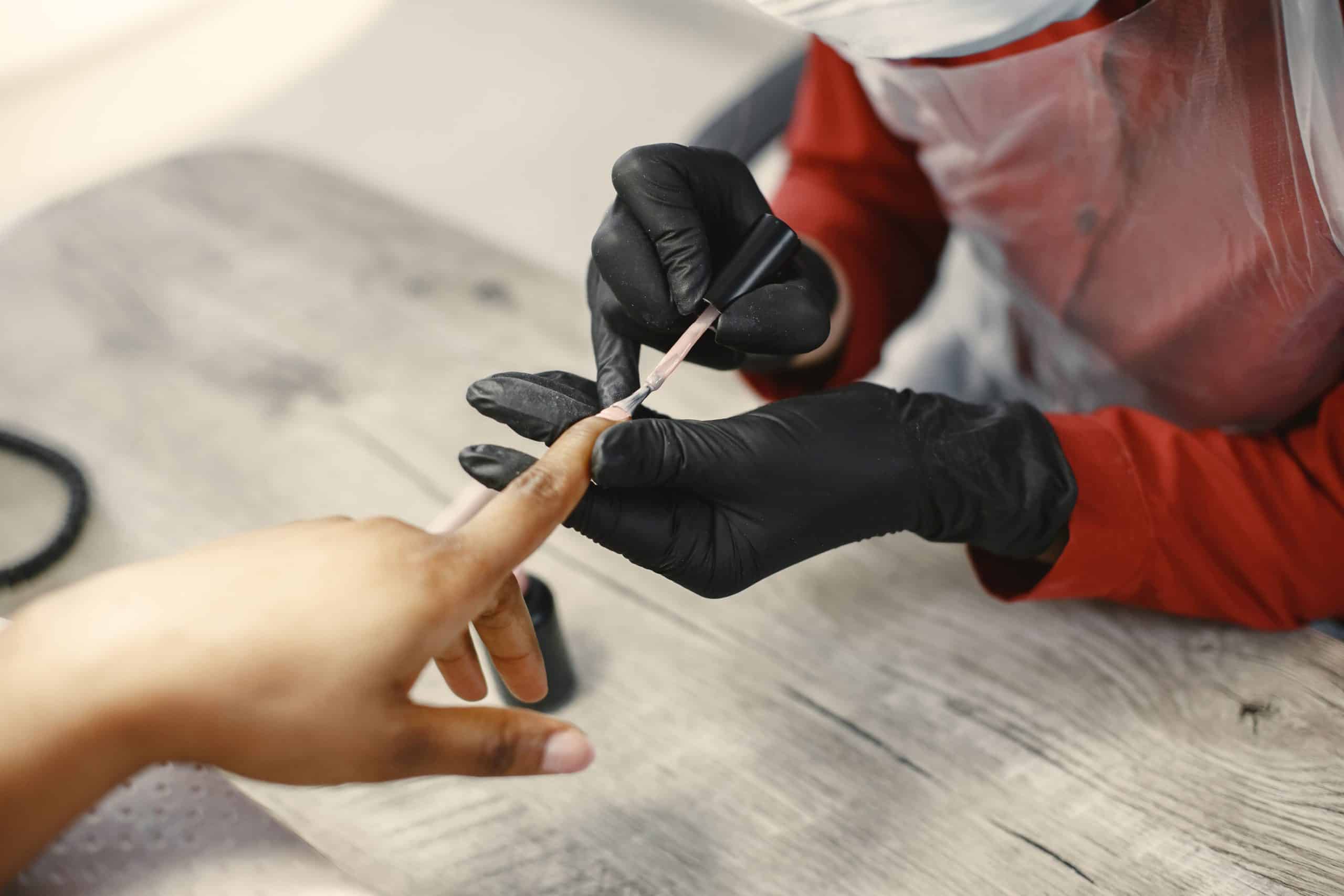
Picking at the old set instead of getting it soaked off is the most common one, usually because acrylic is stubborn enough that people give up halfway and peel the rest, taking layers of nail plate with it. Judging the first gel set against fifteen years of acrylic memory is the second, expecting the same rigidity and reading normal flex as a bad application.
Asking for the same dramatic length or sharp shape you wore in acrylic, on week one of gel, is the third. Builder gel and soft gel do their best work at shorter to medium lengths; it can be pushed longer, but not on a nail bed that’s still adjusting and not by a tech who hasn’t seen how your particular nails behave yet. Give the length a fill cycle or two to catch up once the switch itself has settled.
What to tell your tech before the first appointment
Say how long you wore acrylic and how your last set came off, soaked or filed. Mention if your nails have felt sensitive, thin, or unusually flexible in the weeks since. Say what length and shape you’re picturing, and let her tell you whether that’s realistic for a first gel set or something to build toward over a few fills. A tech who’s handled clients switching from acrylic to gel before will ask most of these questions herself, but walking in with the answers ready saves the appointment for actually doing the work instead of figuring out where you’re starting from.
Frequently asked questions
Is switching from acrylic to gel hard to do?
Not technically difficult, but the first set feels noticeably different: thinner and more flexible than what acrylic wearers are used to. A proper full removal and correct prep before that first gel set matter more than the switch itself.
How long should I wait between removing acrylic and starting gel?
If your nails came out of removal looking normal, you can usually move straight into gel prep the same day. If they came out thin, sensitive, or peeling, a six-to-eight-week bare break gives new growth time to reach the free edge before starting a new system.
Will gel nails feel weaker than acrylic?
They’ll feel different, not weaker. Gel flexes under pressure instead of resisting it, so it tends to crack less on impact even though it doesn’t feel as rigid the moment you tap it against something.
Can my nail tech do gel if she usually does acrylic?
Most techs trained in enhancements can apply gel, but ask directly whether she’s comfortable with gel prep specifically, since the dehydrator and primer sequence differs from acrylic prep. Experience with the switch itself, not just gel in general, makes the first set go smoother.
Why does my first gel set feel thinner than my acrylic ever did?
Builder gel and soft gel are formulated with more flex, which reads as thinner even at a comparable thickness to what you wore in acrylic. It’s the material behaving as designed, not an under-applied set.
How many fills before gel feels normal after switching from acrylic?
Most people stop comparing the flex to acrylic by the second or third fill, roughly six to nine weeks in on a standard two-to-three-week fill schedule.
Can I go back to acrylic after switching to gel?
Yes. Switching isn’t permanent in either direction, and plenty of people move between the two depending on the season or what they’re doing with their hands. The same removal and prep rules apply whichever direction you’re going.