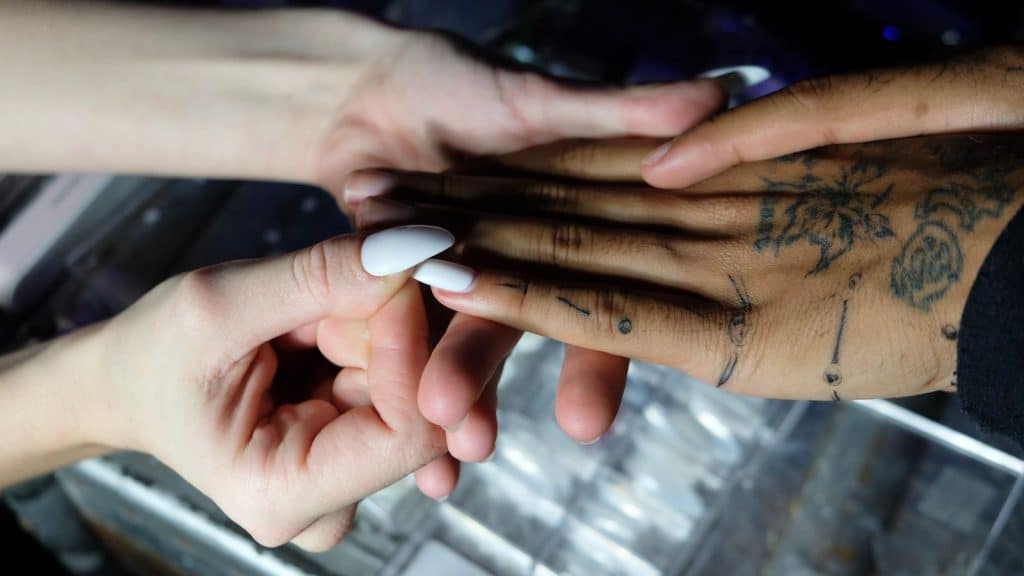
A bride texts her nail tech three days before the wedding: her gel lifted at the corner, no appointment slots left anywhere in the city, and Pinterest is full of press on nails that look salon-quality and cost twelve dollars. She orders a set, presses them on in her hotel room the night before, and nobody at the reception can tell the difference in photos. That story is the whole reason this comparison keeps coming up. Press on nails and gel nails solve the same problem, a finished set of nails, but they get there in completely different ways, and picking the wrong one for your situation is how you end up disappointed by day three.
Press-on vs gel at a glance
| Aspect | Press-on nails | Gel nails |
|---|---|---|
| Application time | 15 to 25 minutes | 45 minutes to 2+ hours |
| Wear time | 1 to 3 days (tabs) up to 2 to 3 weeks (glue or gel adhesive) | 2 to 3 weeks |
| Removal | Peels off (tabs) or acetone soak (glue) | Acetone soak |
| Reusable | Yes, several times if removed carefully | No, destroyed on removal |
| Typical cost | $15 to $30 per kit, reusable | $35 to $70 per salon visit |
| Best for | Last-minute events, testing a look | Ongoing, consistent wear |
What press on nails actually are
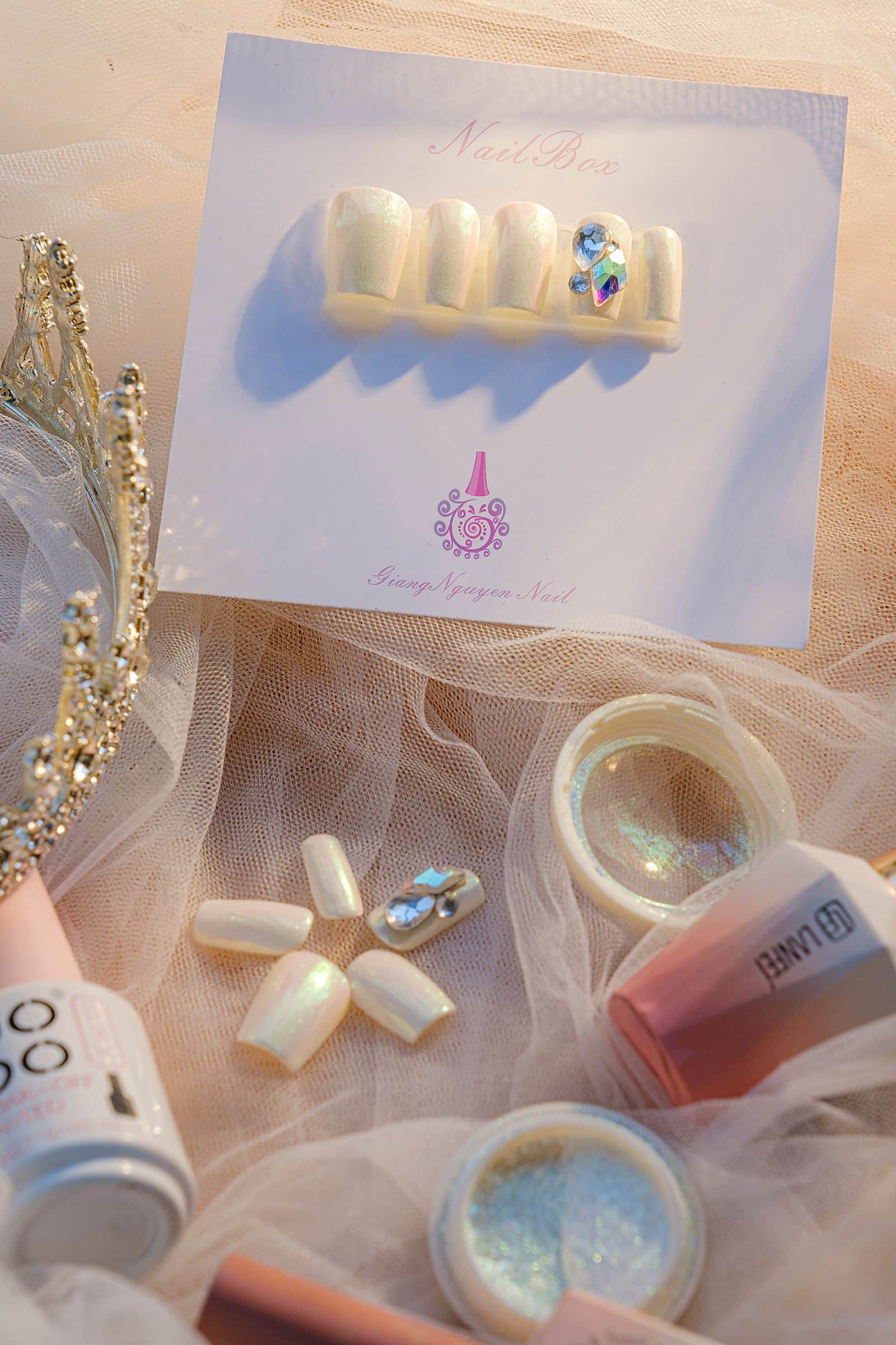
A set of press on nails is a group of pre-shaped, pre-painted plastic or gel-polish nail tips sized to fit your natural nail width, attached with either adhesive tabs, nail glue, or a gel-based adhesive that cures under a small LED light. Nothing is built or cured on your hand the way it is with a salon gel manicure. The design work already happened at a factory or in someone else’s studio, and your job is sizing, prepping your natural nail, and pressing each tip on in the right position. Custom sets, ordered from your own nail measurements, fit more precisely than the multi-size packs sold at drugstores, and the price gap between the two has narrowed a lot over the past few years.
What gel nails actually are
Gel nails, whether that means gel polish over your natural nail or a full builder gel extension, are built in layers directly on the nail. Each layer, base coat, color, builder product, top coat, gets cured under a UV or LED lamp before the next one goes on. Nothing is pre-made. A technician (or you, doing it yourself at home) shapes and finishes the set in real time, which is why gel appointments run 45 minutes to two hours depending on whether it’s a soak-off polish change or a full extension. Our gel vs acrylic comparison covers how gel behaves against the other major enhancement system if that’s the fork in the road you’re actually trying to navigate.
Application time
This is where press on nails win by a wide margin. Once your natural nails are buffed, dehydrated, and matched to the right tip sizes, applying a full set takes fifteen to twenty-five minutes, most of that spent double-checking sizing before you commit glue to nail. A gel manicure or gel extension set, done well, takes longer no matter who’s doing it: each layer needs thirty to sixty seconds under an LED lamp, or up to two minutes under some UV lamps, and a builder gel set usually needs several structural layers before color even starts. There’s no version of gel application that beats a press on set for speed, and that gap is exactly why press ons have become the go-to for a last-minute event.
How long each one actually lasts
Gel nails, applied and cured correctly, tend to hold for two to three weeks before regrowth or lifting makes a fill or removal necessary. Press on nails have a wider range, and the adhesive is the deciding factor. Sticker tabs are the weakest option and often loosen within one to three days, which makes them better suited to a single event than everyday wear. Standard cyanoacrylate nail glue holds for one to two weeks with careful application. Gel-based adhesive, cured under a small lamp the same way salon gel is, can push a press on set to two to three weeks, close enough to gel nails that the wear-time argument for choosing one over the other mostly disappears if you’re using the glue-and-lamp version rather than the tabs.
Nail prep affects both systems more than people expect. A properly buffed and dehydrated nail bed holds a press on set two to three times longer than one that was cleaned in a hurry, which is the same lesson covered in our piece on prepping the nail before gel. Skipping that step is the single most common reason a set that should have lasted two weeks is peeling off by day four, on either system.
Taking them off without wrecking your nails
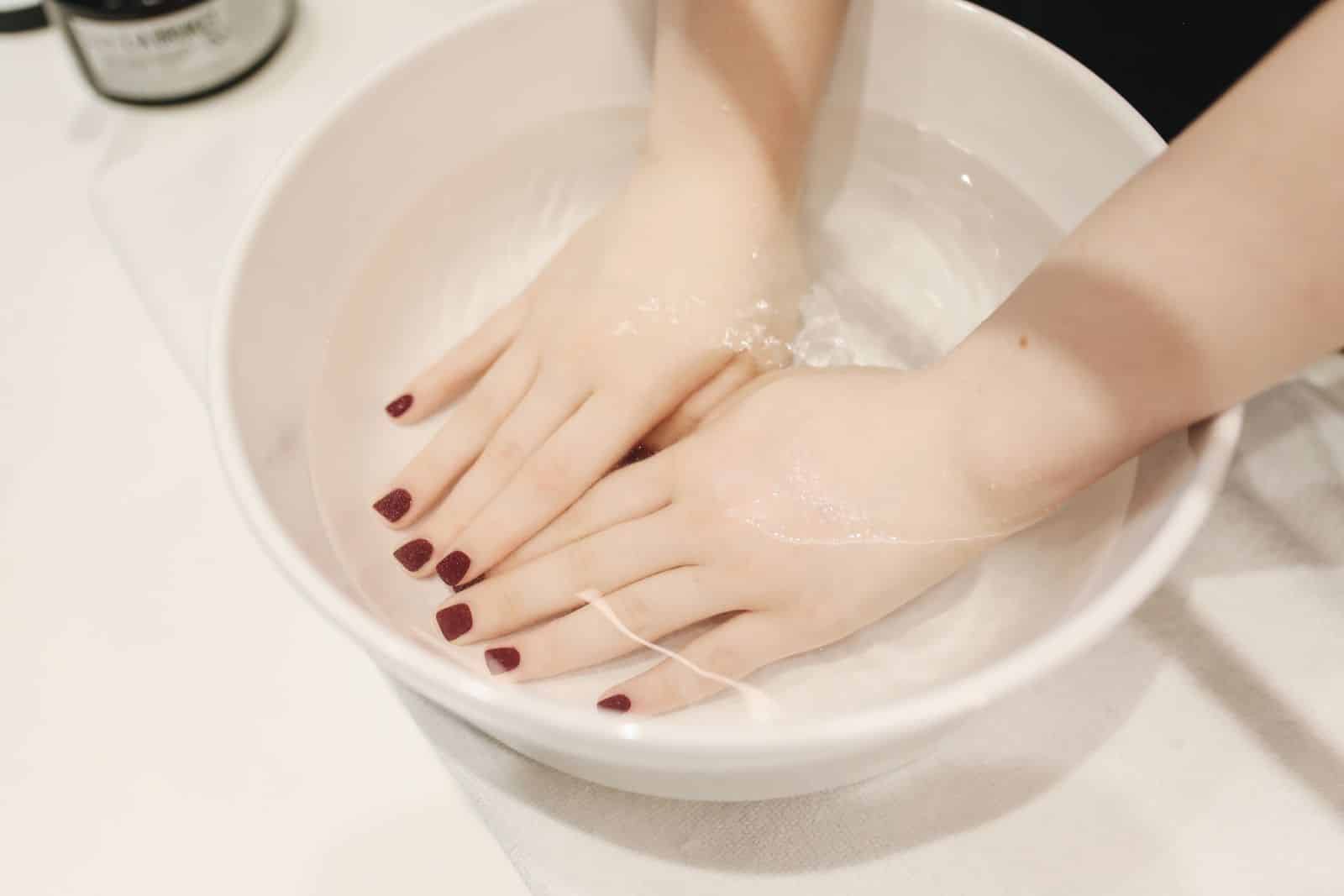
Removal is where the real difference between the two shows up, and it’s also where most of the nail damage people blame on one system or the other actually happens. Gel nails come off by soaking in acetone until the product softens enough to slide or gently scrape away. Rushed removal, where someone picks or pries at gel before it’s fully softened, is what strips the top layers of the natural nail and leaves it thin and rough.
Press on nails come off differently depending on the adhesive. Tab-applied sets usually peel away cleanly with no soaking needed, which is part of their appeal. Sets applied with strong nail glue need a proper acetone soak too, close to the gel process, and trying to yank a glued press on off dry does the same kind of damage as picking gel. Gel-adhesive press ons soften with a short soak as well. The nail-damage story isn’t really “press on nails are gentler” or “gel is harsher.” It’s that soaking off a well-bonded set beats prying at it, no matter which system put it there.
Reusability and cost over a year
A press on set removed carefully, without bending or cracking the tips, can often go back into its storage case and get worn again for a second or third event. That’s not true of gel, which is built on the nail and destroyed the moment it’s soaked off. Buying a $15 to $30 press on kit that gets reused five or six times works out cheaper than almost any comparable gel option, especially once you factor in that a gel manicure runs $35 to $70 in most US salons and needs refreshing every two to three weeks.
The math flips if you wear enhancements constantly rather than occasionally. Someone getting gel fills every three weeks, year-round, is paying a predictable recurring cost that a nail tech can budget for. Someone buying a new press on set every time they want fresh nails is paying per occasion, which adds up fast if “occasion” means every couple of weeks rather than every couple of months.
Which one actually fits your week
Reach for press on nails when you need something tonight or tomorrow, when you want to test a length or shape before committing to it in gel, or when you’d rather not sit in a salon chair at all. Reach for gel when you want three weeks of consistent wear without checking a corner every morning to see if it’s lifting, or when you want a longer, more sculpted extension than most press on tips are designed to hold. Plenty of people use both, gel for the weeks they need it to last, press ons for the Friday night they didn’t plan ahead for. Neither one is the “serious” choice and the other the shortcut. They’re built for different timelines, and the honest answer to “which is better” depends entirely on which timeline you’re on this week.
Frequently asked questions
Do press on nails ruin your natural nails?
Not inherently. The damage that gets blamed on press on nails almost always comes from forcing an ill-fitted tip, over-buffing the natural nail during prep, or ripping a glued set off dry instead of soaking it. Applied and removed correctly, press on nails are no harder on the natural nail than a gel manicure.
Can you shower and wash dishes with press on nails?
Yes, once the adhesive has fully cured, which for standard nail glue takes about 24 hours to reach full strength. The first couple of hours are the most fragile window, so it’s worth avoiding heavy water or chemical exposure right after application on either system.
Are press on nails as strong as gel?
It depends on the adhesive and the tip material. A quality press on set with gel-based adhesive holds up close to a gel manicure for two to three weeks. Cheaper kits with sticker tabs are noticeably weaker and are better suited to a single event than daily wear.
How do you remove press on nails without damage?
Tab-applied sets usually peel off cleanly by hand. Glue-applied or gel-adhesive sets need a proper acetone soak, the same process used for gel nails, rather than being pried or picked off. Soaking first is what prevents the natural nail from tearing.
Can you reuse press on nails?
Yes, if they’re removed carefully and stored flat so the tips don’t bend or crack. A set that comes off intact can typically be reapplied with fresh adhesive for a second or third wear, which is one of the bigger cost advantages over gel.
Do press on nails look as good as gel in photos?
A well-fitted custom set is hard to tell apart from gel in photos, since both use the same shaping and finishing techniques. The giveaway, when there is one, is usually poor sizing rather than the material itself, a tip that’s visibly too wide or too long for the natural nail underneath.
Is it cheaper to use press on nails or get gel done regularly?
For occasional wear, press on nails are cheaper, especially if a set gets reused a few times. For someone wearing enhancements continuously with fills every two to three weeks, the recurring cost of gel and press on sets ends up closer than people expect, since both need regular refreshing to stay presentable.