A client held up her phone last week with a photo of glass-clear, almost architectural nail extensions and asked if I could do "the hard gel thing." She’d read three different blog posts before her appointment and still couldn’t tell me whether hard gel was a brand, a shape, or a chemical. Fair enough. The nail industry hands out the word "gel" for at least five different products, and hard gel is the one that gets the least explanation despite being one of the oldest enhancement systems still in regular use.
Here’s the short version: hard gel is a UV or LED-cured nail enhancement that, once cured, cannot be soaked off in acetone. It has to be filed off. That single property is what separates it from builder gel, gel polish, and most of what gets marketed as "gel" to home users, and it’s also what makes it the strongest, longest-wearing option for anyone who needs serious length or works with their hands all day.
What hard gel actually is
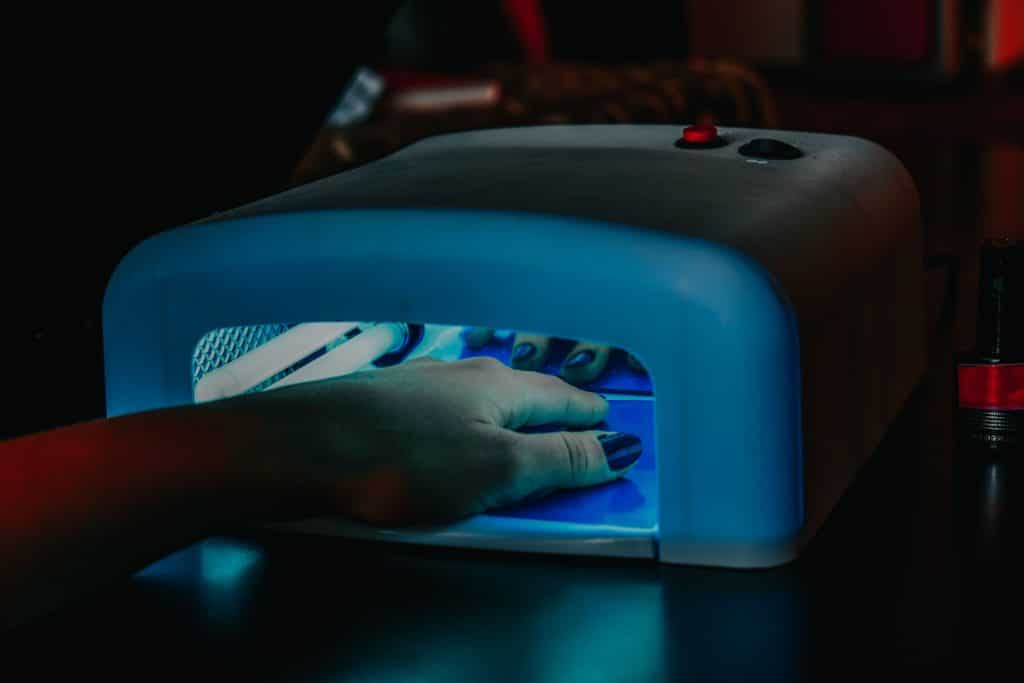
Hard gel is a synthetic resin, usually built on oligomers and photoinitiators, that stays liquid and workable until it hits a UV or LED lamp. The lamp triggers a polymerization reaction that locks the molecules into a rigid cross-linked structure. Once that reaction finishes, the result is dense and unyielding, closer in feel to a hard plastic shell than to the flexible finish you’d get from a gel polish top coat.
That rigidity is the whole point. Hard gel doesn’t soak off in acetone the way soft gel systems do, because the cross-linking is too tight for the solvent to break down. Removing it means filing it away, layer by layer, the same way you’d remove acrylic. This is the detail that trips people up more than any other: "gel" in most consumer marketing means something soft and soakable, and hard gel is neither.
Hard gel vs. builder gel vs. soft gel
I get some version of this question in almost every consultation, so it’s worth being direct about it: builder gel and soft gel are close relatives of each other, not of hard gel. Builder gel, BIAB, and most gel polish systems soak off in 10 to 15 minutes of acetone wrap time, and how to soak off gel nails without damage walks through that process for anyone working with those soft gel products. Hard gel doesn’t move in acetone at all, not in an hour, not overnight. I’ve tested it out of curiosity on a discarded tip and the surface barely dulled.
If you want the fuller comparison, including where the lines blur on marketing labels, builder gel vs hard gel covers it product by product. For the shorter version relevant here: if a technician tells you your set "soaked right off," it wasn’t true hard gel. It was builder gel, BIAB, or a soft gel system wearing a hard gel label, which happens more often than the industry likes to admit.
Application: how a hard gel set actually goes down
A full hard gel set follows roughly the same skeleton as builder gel, with a few differences that matter in practice.
Prep. Nails get pushed back, shaped, and lightly buffed to remove shine, then dehydrated and primed. Hard gel systems typically use their own primer, and mixing primers across brands is one of the more common causes of early lifting.
Form or tip placement. For extensions, most techs use a nail form rather than a tip, since hard gel is thick enough to hold a sculpted shape without a tip underneath it. The form gets fitted snugly under the free edge before any product goes on. Our sculpted gel nails guide goes deeper on that form-based building process specifically.
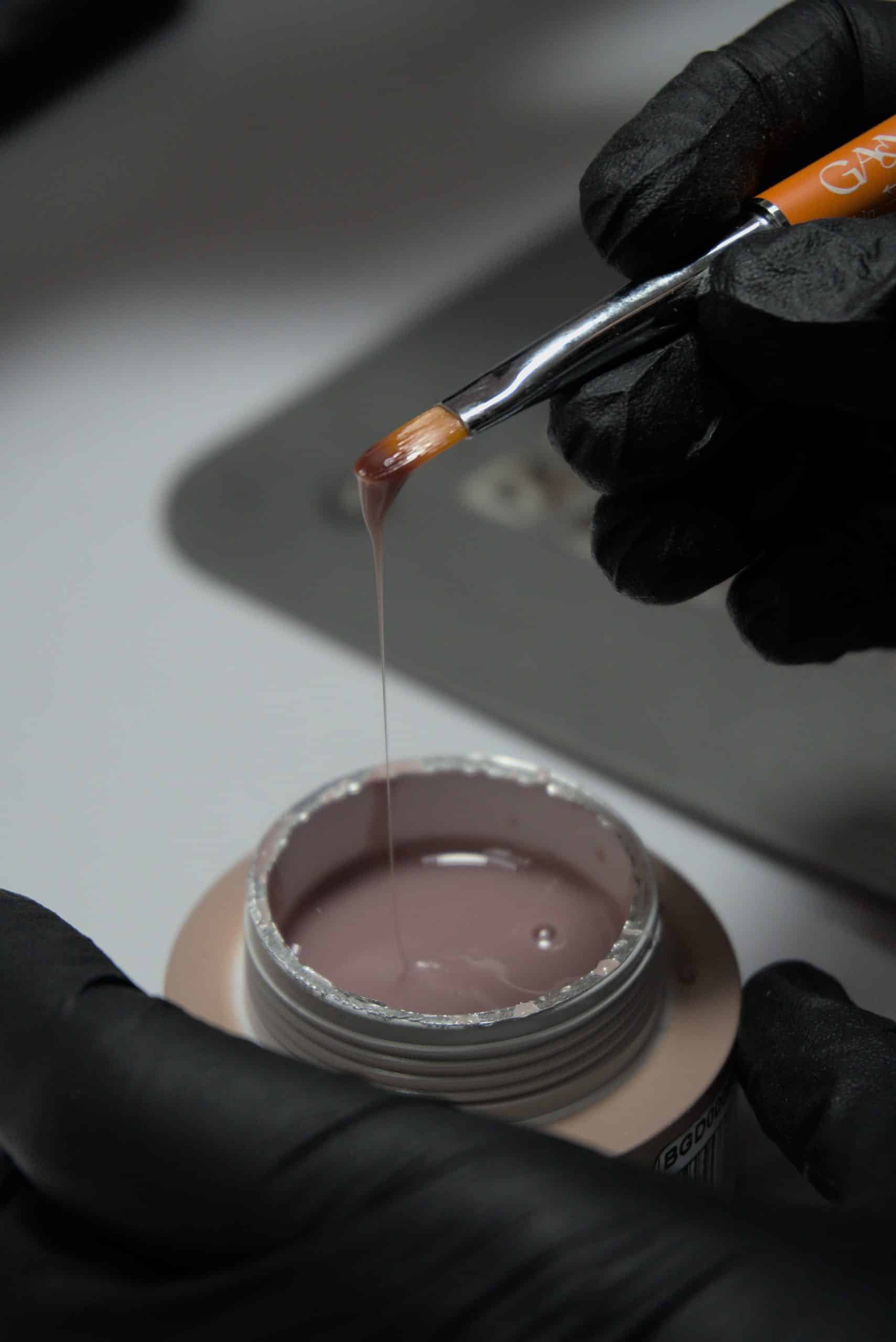
Building the apex. This is where hard gel earns its reputation. The product is applied in thin layers, cured between each one (typically 30 to 60 seconds under LED, longer under UV, depending on the lamp’s output and the product’s specific cure spec, so check the manufacturer’s chart rather than guessing), and shaped with a brush before curing rather than filed into shape afterward like acrylic. A good hard gel is self-leveling enough that a skilled tech barely needs to file the apex at all once curing is done. That self-leveling quality is the main reason experienced techs reach for hard gel on intricate extensions: less filing means less risk of thinning the nail plate underneath.
Final cure and finish. A full final cure, then buffing to remove the tacky inhibition layer and shape the free edge, then top coat if the color layer isn’t already glossy.
The whole process usually runs 60 to 90 minutes for a full set, longer than builder gel because of the layer-by-layer curing and because sculpting over a form takes more hands-on time than working over a pre-glued tip.
Removal: why filing is non-negotiable
I want to be blunt about this part because it’s where most at-home damage happens. Hard gel does not soak off. If you or a technician tries to force it with an acetone wrap the way you would for gel polish, you’ll get a slightly softened top layer and a lot of frustration, not a clean removal. Attempting to pry off a hard gel set that won’t budge is how nail plates get thinned or split.
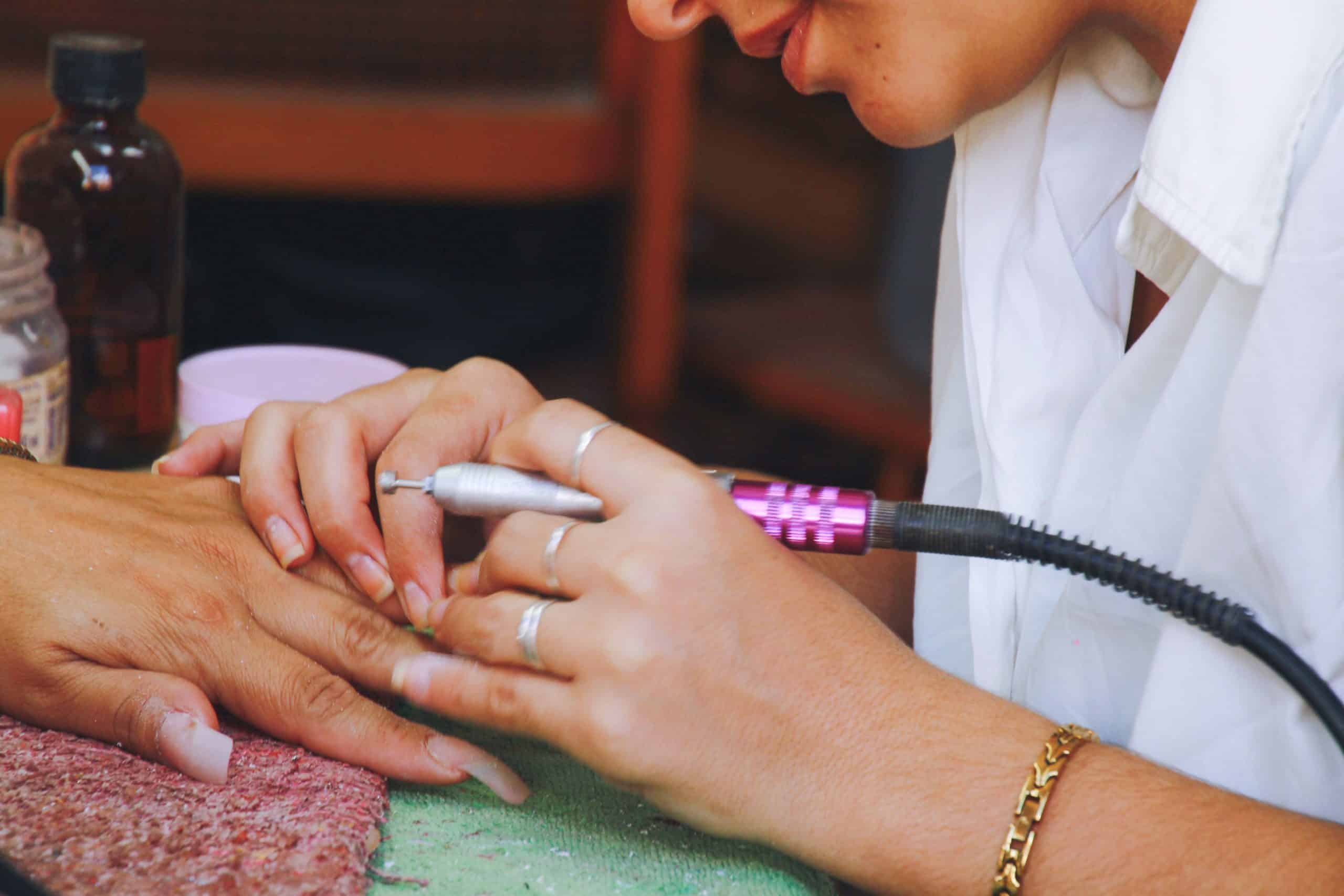
The correct removal is mechanical: an e-file or hand file, working in controlled passes, removing the product in thin layers until you reach the natural nail. This is a skill that takes practice to do without damage, which is one of the real trade-offs of choosing hard gel over a soak-off system. If you’re removing it yourself at home without e-file experience, a hand file and real patience are safer than rushing with a drill. If a salon appointment is available, that’s the lower-risk route for a full hard gel removal, especially the first few times.
Durability: what you’re actually paying for
This is where hard gel justifies the extra removal effort. Because the cured resin is denser and more rigid than soft gel, hard gel holds up better under load: typing all day, gardening, working with your hands in general. Length that would flex and eventually crack in a soft gel extension holds its shape in hard gel. Techs who build long, dramatic extensions for clients almost always reach for hard gel rather than builder gel for exactly this reason. It’s not that builder gel is a lesser product, it’s that hard gel’s chemistry is built for structural load in a way soft, soakable gels aren’t.
Fill cycles run similar to other gel systems, generally every three to four weeks depending on nail growth, though the rigidity means lifting at the cuticle line tends to be more visible sooner than it would with a more flexible soft gel.
Who hard gel actually makes sense for
Hard gel is the right call for anyone who wants significant length, works a job that’s hard on their hands, or has tried soft gel extensions and found them flexing or cracking under normal use. It’s also the standard choice for competition and editorial nail art, where sculpted, intricate shapes need a rigid base that holds its form under a brush.
It’s the wrong call if you want an easy in-and-out removal, or if you’re someone who changes nail length and color often and doesn’t want to commit to a filed removal every time. For that use case, what is gel polish or a soak-off builder gel set will serve you better. And if you’re weighing hard gel specifically against the newer soft-but-strong hybrid systems, gel overlay nails and hard gel vs soft gel both dig into that middle ground.
FAQ
Does hard gel damage your natural nails?
Not inherently. The damage risk comes almost entirely from removal, specifically over-filing. A patient, layer-by-layer file-off done correctly is no more damaging than a acrylic removal done the same way.
Can you soak off hard gel if you’re patient enough?
No, not in any meaningful sense. True hard gel resists acetone almost completely because of how tightly it cross-links. If something is soaking off, even slowly, it isn’t true hard gel.
Is hard gel stronger than acrylic?
They’re close, and the honest answer is that it depends more on the specific product and application than on the category. Hard gel tends to have slightly more flex before breaking, which some techs prefer for clients prone to snapping tips.
How often does hard gel need a fill?
Every three to four weeks for most clients, similar to builder gel and acrylic, though active hands or fast nail growth can shorten that window.
Can a beginner apply hard gel at home?
It’s possible but harder to learn than soak-off builder gel, mainly because of the layer curing and the sculpting-over-a-form step. If you’re new to gel enhancements generally, builder gel for beginners is the gentler starting point before moving to hard gel.