A new tech I trained a while back reached for the same pair of full jaw nippers for every client that walked in, whether she was clearing a thick, overgrown cuticle or trimming a single hangnail on someone with thin, delicate skin. The full jaw worked fine on the first client and left a small nick on the second. Same tool, same hands, wrong match for the job. Jaw size on cuticle nippers isn’t a cosmetic detail. It’s the single biggest factor in whether the tool suits the task in front of you.
What jaw size actually means
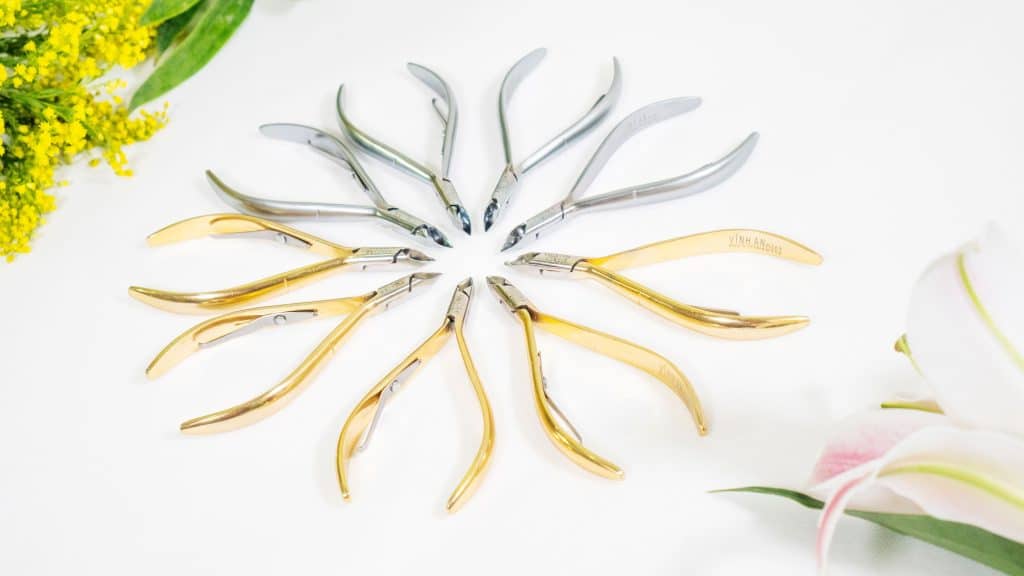
The "jaw" is the cutting blade section of the nipper, and its length determines how much cuticle it removes in a single bite and how much control you have over precision. Nippers come in three common sizes.
Quarter jaw has the smallest cutting surface. That smaller footprint means more control for tight, detailed work, small areas near the nail bed, delicate skin, or clients with small hands where a bigger blade risks catching skin that isn’t meant to be cut. It’s slower for clearing a lot of cuticle at once, but that trade-off is exactly the point.
Half jaw sits in the middle. A larger cutting surface than quarter jaw makes it faster for trimming a normal amount of cuticle growth in one pass, while still leaving enough control for most routine work. For a lot of techs, this is the jaw size that ends up covering the majority of appointments, precise enough for standard cuticle work, efficient enough not to drag out a routine trim.
Full jaw has the largest cutting surface of the three, built for speed on heavier cuticle growth or working through a full set of nails quickly. It trades away the fine control of the smaller jaws, which is why it’s the wrong choice for delicate skin or tight detail work, and the right choice when there’s genuinely a lot of cuticle to clear.
Matching jaw size to the client in front of you
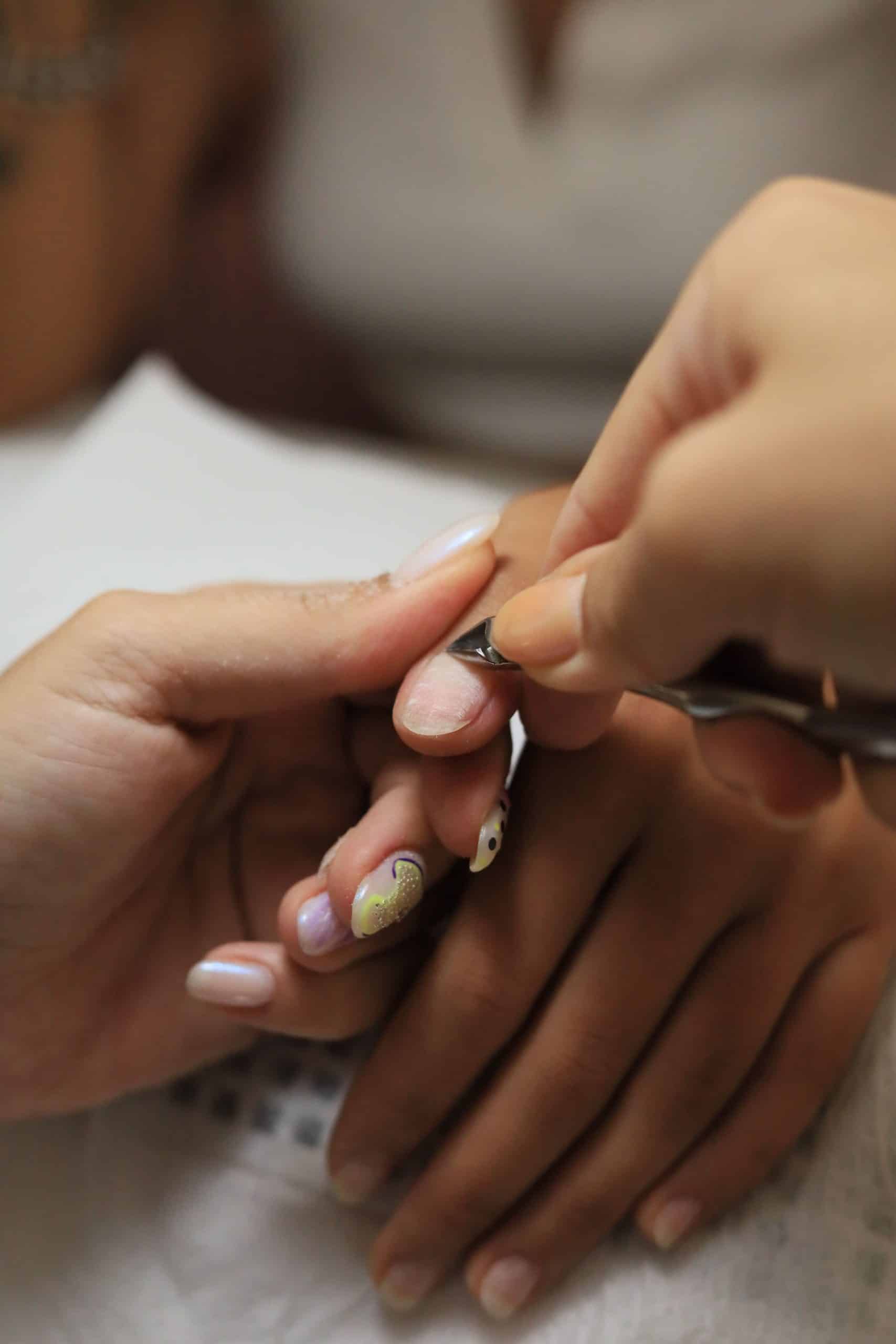
Thick, overgrown cuticle on a client who hasn’t had a manicure in months: half or full jaw, depending on how much needs clearing.
Routine maintenance trim on a client who gets regular manicures: half jaw covers most of this without over-cutting.
Delicate skin, small hands, or detail work right at the nail bed or around a hangnail: quarter jaw, even if it takes a little longer.
Working around an ingrown edge or a nick that’s already sensitive: quarter jaw, always. The smaller blade gives the control that situation actually needs.
Material matters as much as jaw size
Stainless steel is the standard for a reason: it holds an edge, resists corrosion from repeated contact with cuticle oil and sanitizing solutions, and can be sharpened rather than replaced once it starts to dull. Cheaper carbon steel blades dull faster and are more prone to rust with regular exposure to moisture and cleaning chemicals, which shows up as nippers that start tearing skin instead of cutting it cleanly within a few months of regular use.
A dull blade is a safety issue, not just a performance one. Tearing rather than cutting cleanly is what leads to hangnails, small tears, and skin irritation that a sharp blade of the correct jaw size wouldn’t cause in the first place.
Using them safely
Only cut dead, loose cuticle tissue, never living skin attached to the nail fold. If it’s not lifting away cleanly, it’s not ready to be cut, and forcing it risks a nick.
Work in small, controlled snips rather than one long continuous cut, especially with a half or full jaw where a longer blade can catch more skin than intended if the angle shifts mid-cut.
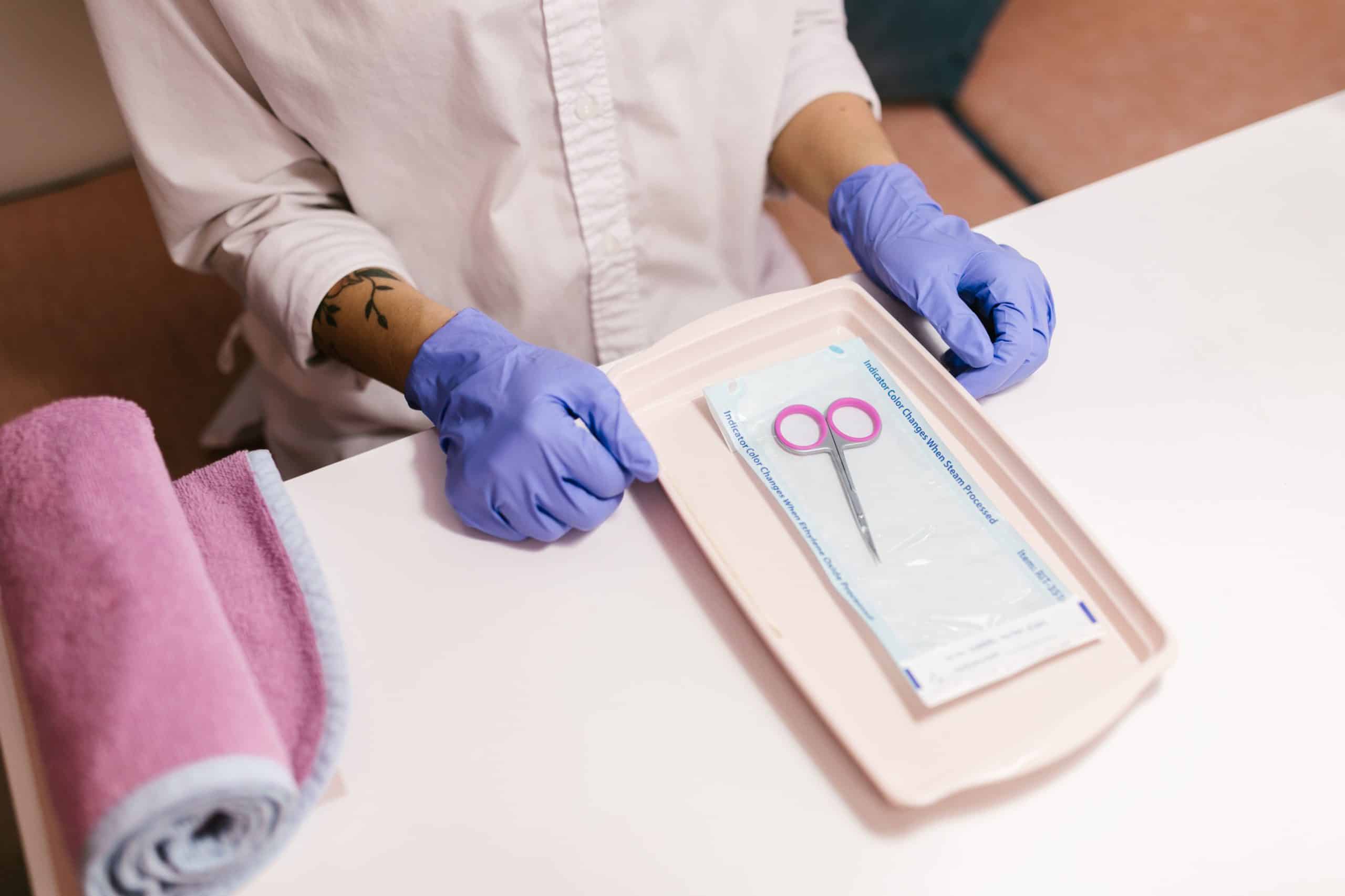
Sanitize between every single client, no exceptions. Cuticle nippers make contact with skin and occasionally draw blood from a small nick even with careful technique, which makes them one of the higher-risk tools in a kit for cross-contamination if reuse isn’t handled properly.
Replace or professionally sharpen blades once they start requiring more pressure than they used to, or when cuts start looking torn rather than clean. A nipper that’s working harder than it should is a nipper about to cause an injury.
What else belongs in the same step
Nippers handle cutting; a pusher handles the step before it, moving cuticle back so there’s a clean edge to trim. Cuticle pushers: metal vs wood vs silicone covers which material fits which routine, and cuticle oil: why it matters covers the aftercare step that keeps cuticles soft enough that nippers have less overgrown tissue to deal with at the next appointment. If you’re stocking a full kit, nail glue: which type and when to use it covers another tool that’s easy to get wrong in the same way jaw size is.
FAQ
What jaw size should a beginner start with?
Half jaw. It covers the majority of routine work and is more forgiving than quarter jaw’s tighter margin for error, while still offering more control than full jaw.
How often should cuticle nippers be sharpened?
There’s no fixed schedule; it depends on frequency of use, but a rough guide is every few months for a busy professional kit, sooner if cuts start feeling like they require extra pressure.
Can cuticle nippers be used on toenails too?
Yes, the same jaw-size logic applies. Thicker toenail cuticle often calls for half or full jaw, same as a heavily overgrown fingernail cuticle would.
Is it safe to cut live cuticle skin, not just dead tissue?
No. Cutting into living skin attached to the nail fold risks infection and doesn’t grow back the way trimmed dead cuticle does. Only dead, loosened tissue should ever be cut.
Why do my cuticle nippers keep tearing instead of cutting clean?
Almost always a dulling blade. Once a nipper starts tearing rather than snipping cleanly, it needs sharpening or replacing rather than more pressure.