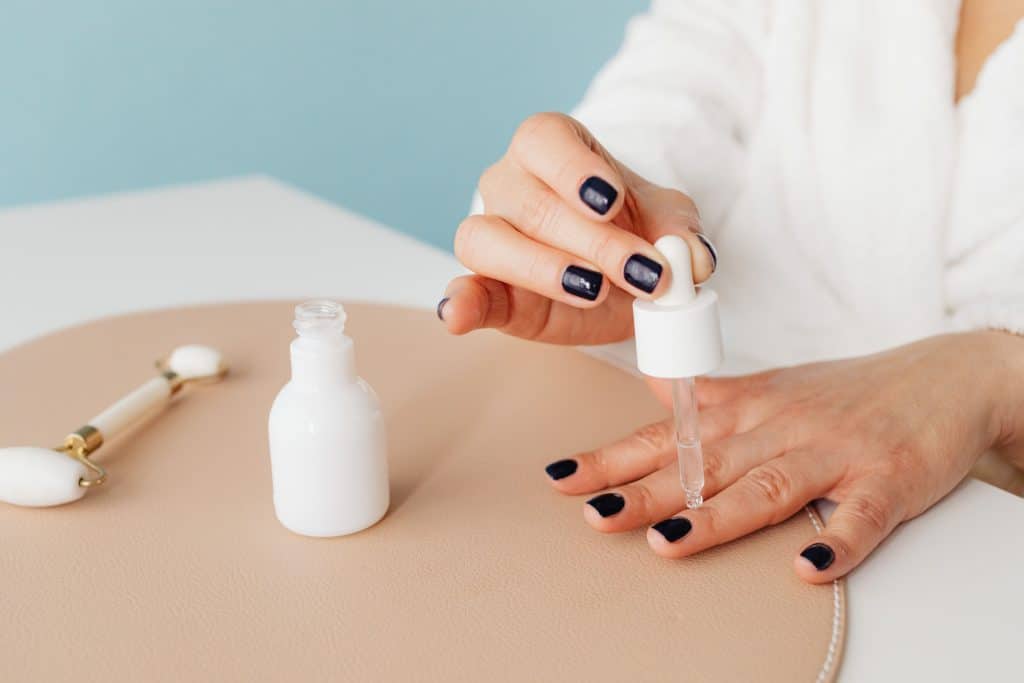
A woman comes in for a fill and her cuticles look like she has been picking a scab for a week: split skin along the sides of three nails, a hangnail caught on everything, the nail plate itself slightly ridged near the base. She has never once used cuticle oil. She did not know she was supposed to. This happens constantly, and it is usually not neglect, it is that nobody ever explained what the stuff actually does or why a two-dollar bottle matters more than half the products on a nail cart.
Cuticle oil is the one product in this whole trade that is both the cheapest and the most skipped, and the two facts are related: people assume something that small can’t be doing much. It is doing more than almost anything else in a home nail routine, for reasons that have nothing to do with polish and everything to do with what is actually happening under it.
Oil conditions the skin; it doesn’t move it. Actually pushing that skin back before oiling is a separate step done with a cuticle pusher, metal, wood, or silicone, and the two tools work best together rather than as substitutes for each other.
What cuticle oil is actually treating
Start with a small correction that most product labels get wrong on purpose because “cuticle” is the word everyone already knows: the cuticle, technically, is the thin layer of dead skin cells that gets pushed back or trimmed during a manicure. What cuticle oil is really conditioning is the eponychium, the living skin fold at the base of the nail, along with the lateral folds running down each side. That living skin is what cracks, splits, and gets sore. The dead cuticle tissue doesn’t feel anything.
This distinction matters because it explains what oil can and can’t fix. It softens and moisturizes living skin. It does not dissolve or remove dead cuticle tissue, no matter how long it sits there, which is why “soaking in oil” is not a substitute for actually pushing back or trimming the cuticle before a service.
Why the skin around the nail dries out in the first place
The skin at the nail fold has almost no oil glands of its own, unlike most of the rest of the hand. It relies on whatever moisture and lipid barrier it can hold onto, and that barrier gets stripped constantly: hand washing, hand sanitizer, acetone soak-offs, dish soap, cold air, and for anyone getting gel or builder gel done regularly, the buffing and prep steps that come with every fill. None of that is avoidable if you want clean nails and clean gel adhesion. What is avoidable is leaving the skin with nothing to rebuild that barrier afterward, which is the actual job cuticle oil does.
What’s in the bottle
Most cuticle oils are a carrier oil base with a few actives added for scent, shelf life, or a specific claim on the label.
Jojoba oil
The most common base in professional-grade cuticle oils, and for a practical reason: jojoba is technically a liquid wax ester, and its structure is close to human sebum. It absorbs fast instead of sitting on top of the skin, which matters when a client doesn’t want greasy hands for the next twenty minutes.
Vitamin E
An antioxidant, added mostly for shelf stability of the oil blend itself rather than any dramatic skin benefit, though it does help with the felt softness of dry, cracked skin.
Sweet almond oil, avocado oil, grapeseed oil
Common secondary carriers. Heavier and slower to absorb than jojoba, which is why some blends lean on jojoba for daytime use and a heavier oil for a nighttime version.
Tea tree oil
Shows up in blends marketed toward people prone to hangnails or minor irritation, for its antiseptic properties. It’s also one of the more common causes of a skin reaction in people with sensitized skin, so it’s worth patch-testing a new blend on the inside of the wrist before using it across all ten fingers.
Fragrance and essential oils
Lavender, citrus, and vanilla blends sell well but add nothing functional, and citrus oils specifically can be mildly photosensitizing on skin that then goes under a UV or LED lamp. A fragrance-free jojoba and vitamin E blend does the actual job just as well as anything with a nicer smell.
Cuticle oil versus cuticle cream or balm
Oil, cream, and balm are all trying to solve the same dryness, but they behave differently. Oil is thin enough to slide under the edge of the nail fold and reach skin a thicker product can’t get to, which is why it’s the standard for daily maintenance. Cream and balm sit more on the surface, absorb slower, and tend to work better as an overnight treatment for skin that’s already badly dry or cracked, since the thicker layer stays put longer while you sleep. Neither one replaces the other; a lot of nail techs recommend oil for daily use and a heavier balm two or three nights a week for anyone with genuinely rough cuticles.
Does cuticle oil make nails grow faster
No, and this is worth saying plainly because it’s the most common claim on the bottle. Nail growth happens at the matrix, under the skin at the base of the nail, and the rate is set by genetics, age, circulation, and overall health, not by anything applied topically to the nail plate or surrounding skin. Cuticle oil doesn’t speed that up.
What it does instead is protect the nail that’s already growing. A dry, brittle nail plate cracks and peels at the free edge more easily, which reads as “nails won’t grow” when what’s actually happening is nails growing at a normal rate and then breaking off before they get long. Keeping the nail plate and surrounding skin conditioned reduces that breakage, so nails appear to grow faster simply because less of the length is being lost along the way.
What conditioning the nail plate actually changes
Cuticle oil doesn’t only sit at the skin fold. A drop worked across the whole nail, not just the base, lightly conditions the keratin of the nail plate itself. Keratin holds a small amount of water naturally, and a nail plate that’s too dry becomes brittle and prone to splitting at the free edge, the same way dry hair snaps instead of bending. Oil doesn’t add strength the way a hardener or protein treatment does, but it slows the moisture loss that makes an otherwise healthy nail plate crack under normal use, opening a jar, typing, peeling an orange.
This matters for anyone wearing builder gel or hard gel too, even though the natural nail is fully covered. The gel extension is only as stable as the nail bed underneath it, and a dry, inflexible natural nail under a rigid gel layer is more likely to develop stress cracks at the point where the two meet, particularly near the free edge during a fill when that section is thinnest.
How to actually apply it
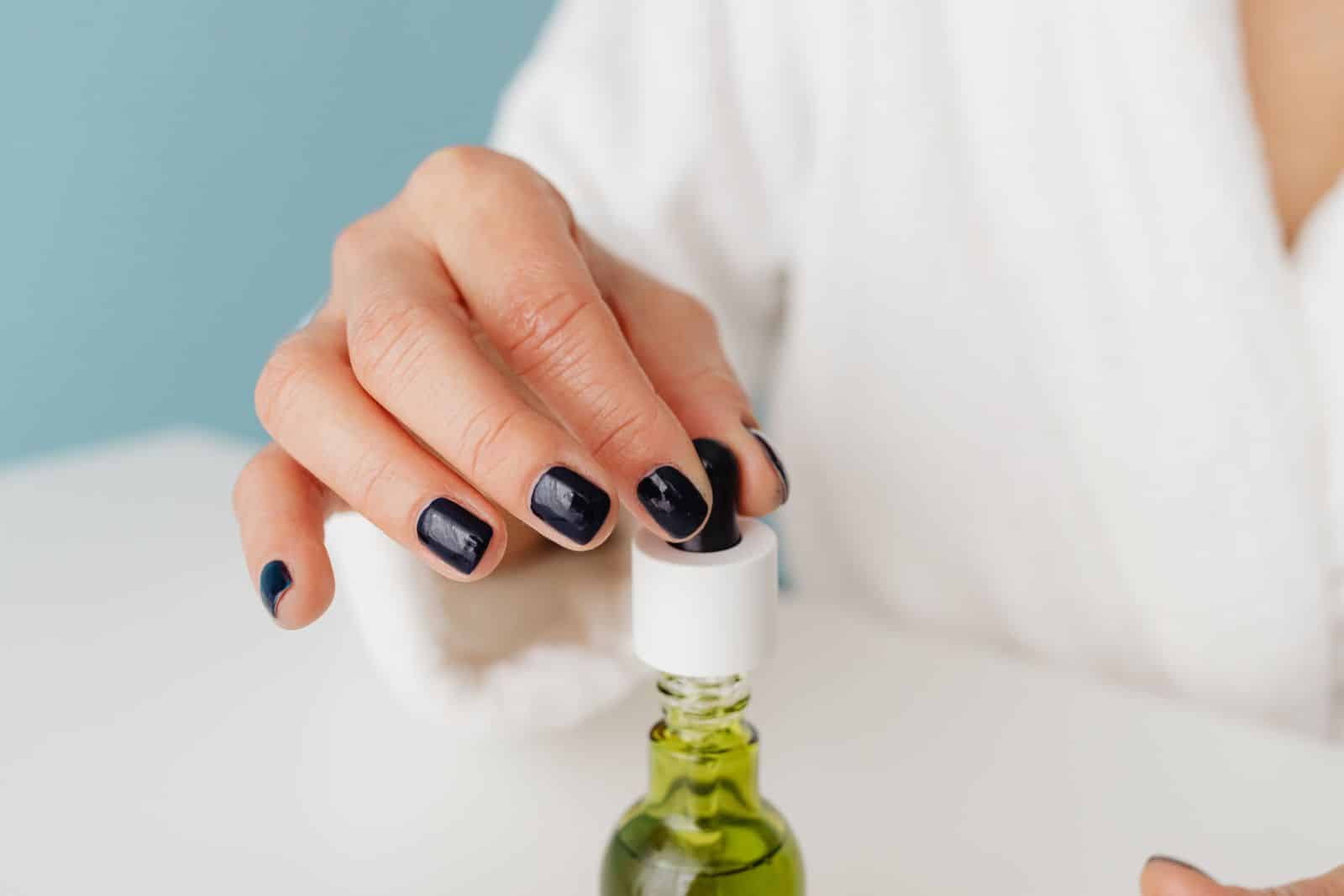
The technique matters more than the product. A drop at the base of each nail, worked in with the pad of a finger or a small brush if the bottle has one, covering the eponychium and both lateral folds, not just the top of the nail plate. Massaging it in for a few seconds per finger pushes it into the skin rather than leaving it sitting on the surface where it evaporates or wipes off on the next thing you touch.
Once a day is the minimum to notice a difference within a couple of weeks. Twice a day, morning and before bed, is what most nail techs recommend for anyone doing regular gel or builder gel fills, since that’s the group whose cuticles take the most repeated stripping from acetone and buffing.
The timing mistake that matters for gel and builder gel clients
This is the part that trips people up: cuticle oil is essential between appointments and actively harmful right before one. Oil left on the nail plate at the start of a gel or builder gel service coats the surface in a thin lipid layer that primer and gel can’t bond to properly, and that’s a direct route to the kind of early lifting covered in our guide to why gel nails lift. Any nail plate prep step, dehydrating and priming the nail before product goes on, exists specifically to strip that layer back off, but starting with heavily oiled cuticles just makes more work for a step that’s supposed to be quick.
The rule that solves this: oil the skin daily between fills, and skip it entirely on the day of a fill until after the service is done. If cuticles feel dry the morning of an appointment, oiling the skin around the nail is fine as long as the technician wipes the nail plate itself clean with alcohol before starting prep, which most techs do as a matter of routine anyway.
Building it into a routine that actually sticks
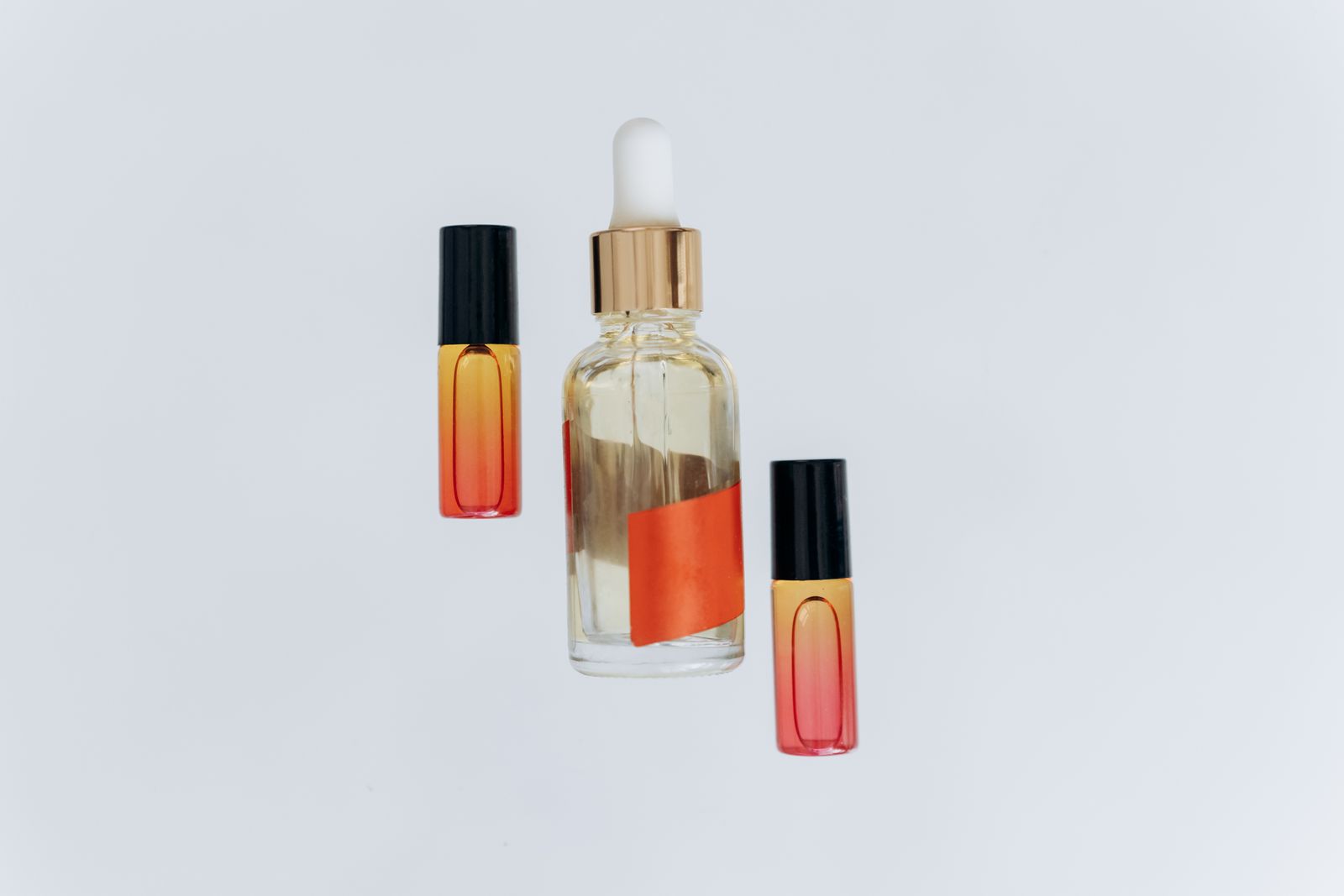
The oil that works is the one that’s within reach when you think of it, not the one buried in a drawer. Keeping a small bottle by the sink for after hand washing, another in a bag or at a desk, and skipping the idea of a single big bottle that lives in one place is what turns this into an actual daily habit rather than something remembered once a month when cuticles are already cracked. Rollerball or brush-cap bottles apply faster than a dropper, which matters more than it sounds like for anyone who won’t bother if it takes an extra ten seconds.
Pairing it with an existing habit works better than trying to remember it on its own. Applying it right after brushing teeth, or right before bed while a show is on, gives it a fixed spot in the day instead of relying on willpower.
Common mistakes
Applying oil only when cuticles already look bad, rather than daily as prevention, is the biggest one. By the time skin is visibly cracked, oil is playing catch-up instead of maintaining a barrier that was never allowed to break down in the first place.
Rubbing at a hangnail instead of trimming it is another. Oiled, softened skin is easier to trim cleanly with a small cuticle nipper; picking or biting at it, even when it’s soft, tends to tear rather than cut, which is how a small hangnail turns into a sore, inflamed strip of skin along the side of the nail.
Using a heavily fragranced or essential-oil-loaded blend on skin that’s already irritated is a third. If the skin around the nail is cracked, red, or sore, a plain jojoba and vitamin E oil with nothing else added is the safer choice until it calms down.
When it’s not just dryness
Ordinary dry cuticles respond to oil within a week or two: less cracking, fewer hangnails, skin that looks less ragged at the edges. What oil won’t fix is paronychia, an infection of the skin fold that shows up as redness, swelling, warmth, and often pain or pus around one nail, usually just one finger rather than several. That’s a medical issue, not a moisture issue, and it needs a dermatologist or doctor rather than a heavier oiling routine. The same goes for skin that stays cracked and sore for weeks despite consistent oil use, since that pattern can point to something beyond simple dryness that’s worth having looked at.
Frequently asked questions
How often should I use cuticle oil?
Once a day is enough to see a difference within a couple of weeks. Twice a day, morning and night, is better for anyone getting regular gel or builder gel fills, since acetone and buffing strip the skin’s natural barrier more often.
Can cuticle oil help my nails grow faster?
Not directly. Growth rate is set at the nail matrix and doesn’t change based on what’s applied to the skin around it. Oil reduces breakage at the free edge, so less length is lost, which can make growth look faster even though the underlying rate hasn’t changed.
Should I use cuticle oil before a gel manicure?
Not right before prep. Oil left on the nail plate interferes with primer and gel adhesion. Oil the skin daily between appointments instead, and let the technician clean and prep the nail plate itself at the start of the service.
What’s the difference between cuticle oil and cuticle cream?
Oil is thin enough to slide under the nail fold for daily maintenance and absorbs quickly. Cream and balm are thicker, absorb slower, and work better as an occasional overnight treatment for skin that’s already rough or cracked.
Can I make my own cuticle oil?
Yes. Jojoba oil with a small amount of vitamin E covers most of what a store-bought blend does, without the fragrance or essential oils that can irritate sensitized skin. Keep it in a small dropper or rollerball bottle for easy daily application.
Is it normal for cuticle oil to sting or irritate the skin?
Plain jojoba and vitamin E oil shouldn’t sting. If a blend does, tea tree oil or a fragrance additive is the usual cause. Patch-test a new product on the inside of the wrist before applying it to all ten fingers, and switch to a plain, fragrance-free oil if irritation continues.
My cuticle is red, swollen, and sore around one nail. Is that something oil can fix?
Redness and swelling around a single nail, especially with warmth or pus, points to an infection rather than dryness, and oil won’t resolve that. See a dermatologist or doctor rather than treating it as a moisture problem.