A client called me in a mild panic last month because she’d glued a broken nail back on at her kitchen table, and by the time she noticed, two fingers were stuck together and there was a dime-sized patch of dried glue bonded to the counter. She’d already tried scrubbing it with a nail brush and made it worse. Nail glue remover isn’t really a product you go buy off a shelf. It’s a short process, and most of it comes down to patience.
What’s actually stuck
Nail glue is cyanoacrylate, the same chemistry as super glue, and it bonds by reacting with trace moisture on the surface it touches. That’s why it sets almost instantly on skin, which is never fully dry. Once it’s cured, water alone won’t touch it. You need something that softens the bond without tearing the skin or finish underneath it, which rules out scrubbing and picking.
How to get nail glue off skin
Soak the area in warm, soapy water for about 15 minutes first. This alone loosens a surprising amount of glue, especially on a thin layer. After soaking, gently work at the softened edges with a soft nail buffer or an old toothbrush, never a metal tool or your fingernail digging underneath it.
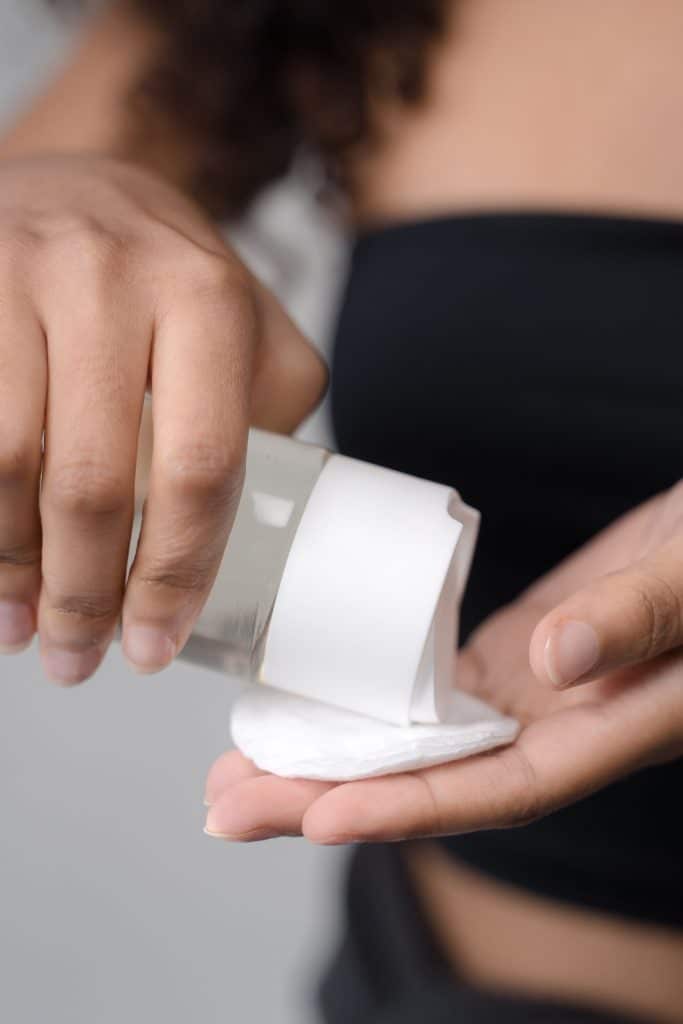
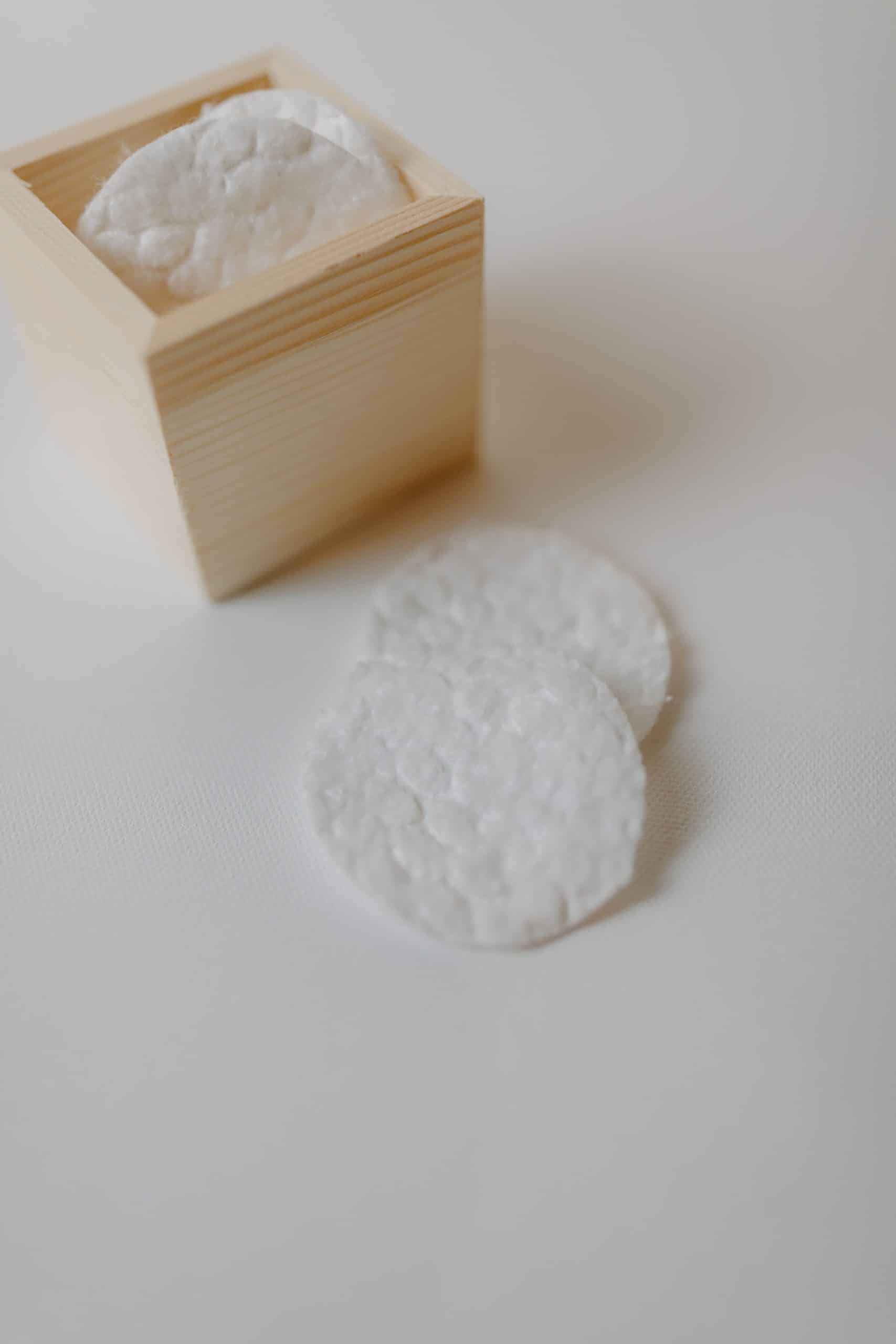
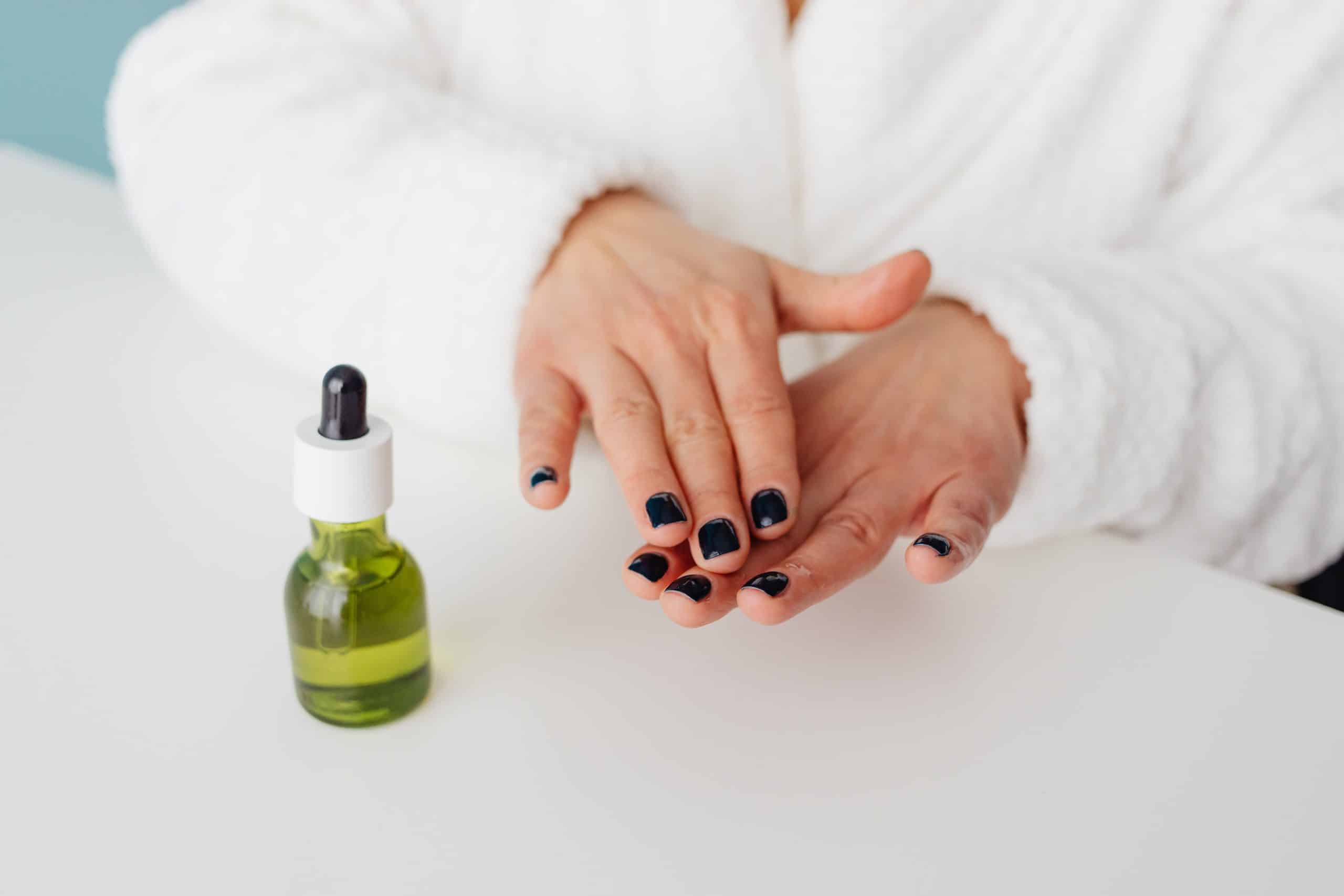
If soap and water isn’t enough, move to acetone. Soak a cotton pad in acetone-based polish remover and hold it against the glue for about 10 minutes, or submerge the area directly if it’s a fingertip. For stubborn spots, warming the acetone helps: set a small dish of it in a bowl of hot water (keeping water out of the acetone itself) and soak for 15 to 20 minutes. Buff gently again afterward, then finish with a heavy coat of oil or petroleum jelly and rub in circular motions. This last step matters more than people expect. It rehydrates skin that acetone has dried out and helps lift the last bit of residue that scrubbing alone won’t get.
How to get nail glue off surfaces
On a sealed, hard surface like laminate or finished wood, acetone will usually soften cured glue enough to scrape it up gently with a plastic edge, not metal, once it’s tacky. Test on a hidden spot first. Acetone can dull or strip the finish on unsealed wood, some plastics, and painted surfaces, so a small patch test before you go at the visible spot saves you from trading a glue stain for a bleached one.
What not to do
Don’t pull, peel, or pick at glue that’s bonded to skin. It feels like the fastest fix and it’s the one that actually tears skin or takes a layer of cuticle with it. And keep acetone away from lips and eyes entirely. If glue gets into an eye, don’t try to soak it out yourself: flush gently with warm water and get seen by a doctor. That’s not a home-remedy situation.
If you’re gluing tips or repairs regularly rather than dealing with the occasional accident, it’s worth knowing which glue you’re actually using in the first place. Our guide to nail glue types breaks down the different cyanoacrylate formulas and which one is least likely to end up bonded to a finger in the first place. And if the sticky mess started with a soak-off that didn’t go as planned, how to soak off gel nails without damage covers the acetone process for that separately.
FAQ
Is there a dedicated nail glue remover product?
Some brands sell an oil-based debonder marketed specifically for this, and it works, but plain acetone does the same job for a fraction of the price. The debonder is mainly convenient if you don’t already have acetone around.
Will removing nail glue damage my skin or nails?
Not if you soak instead of scrub. Acetone dries skin out, which is what the oil step at the end is for, but it doesn’t damage healthy nail plate or skin on its own. The damage comes from forcing the glue off before it’s softened.
How long does dried nail glue take to wear off on its own?
A thin layer on skin will usually flake off within a few days as skin cells naturally shed. If you’re not in a hurry and it’s not bothering you, leaving it alone is a legitimate option.