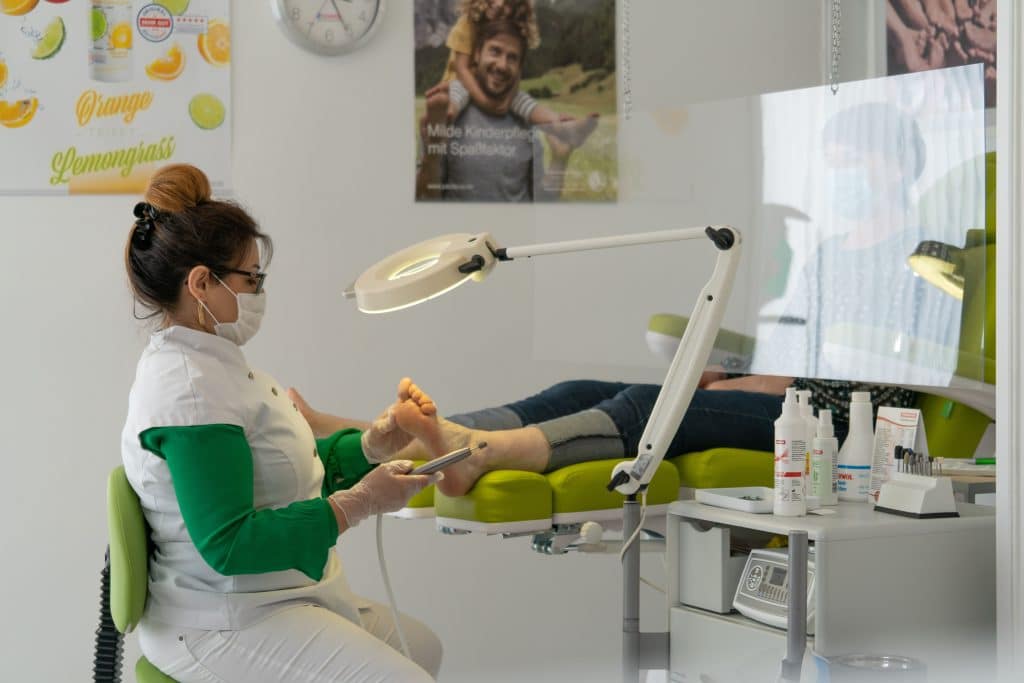
Products sold as a “callus remover” range from genuinely gentle to actively risky, and the packaging rarely makes that distinction clear. Metal grater-style foot tools, for example, can leave a raw patch on the heel when they’re used too hard or too often. This guide sorts the safer home options from the ones worth avoiding.
Health note: This is general information, not a substitute for seeing a podiatrist about a specific foot problem, especially if there’s pain, redness, or open skin. See the American Academy of Dermatology’s guidance on corns and calluses.
What actually works, used correctly
A handful of options come up consistently in guidance from foot care sources, and they work by softening or gradually exfoliating the callus rather than cutting it away.
Pumice stones, used after soaking feet in warm water for five to ten minutes to soften the callus first, then used gently, one or two times a week rather than daily. Overuse irritates the skin instead of helping it.
Urea creams, typically in the 30 to 50 percent strength range, both moisturize and chemically exfoliate thickened skin. Applied daily, and often more effective when feet are covered with socks afterward to help the cream work into the skin.
Salicylic acid pads, usually around 40 percent strength, work by softening the callus over time. A pad goes over the area and stays on for about 48 hours, after which the loosened skin can be gently removed with a pumice stone rather than picked or peeled off.
Alpha hydroxy acid peels work through a similar exfoliation mechanism, causing the top callus layer to shed over roughly three to seven days rather than all at once.
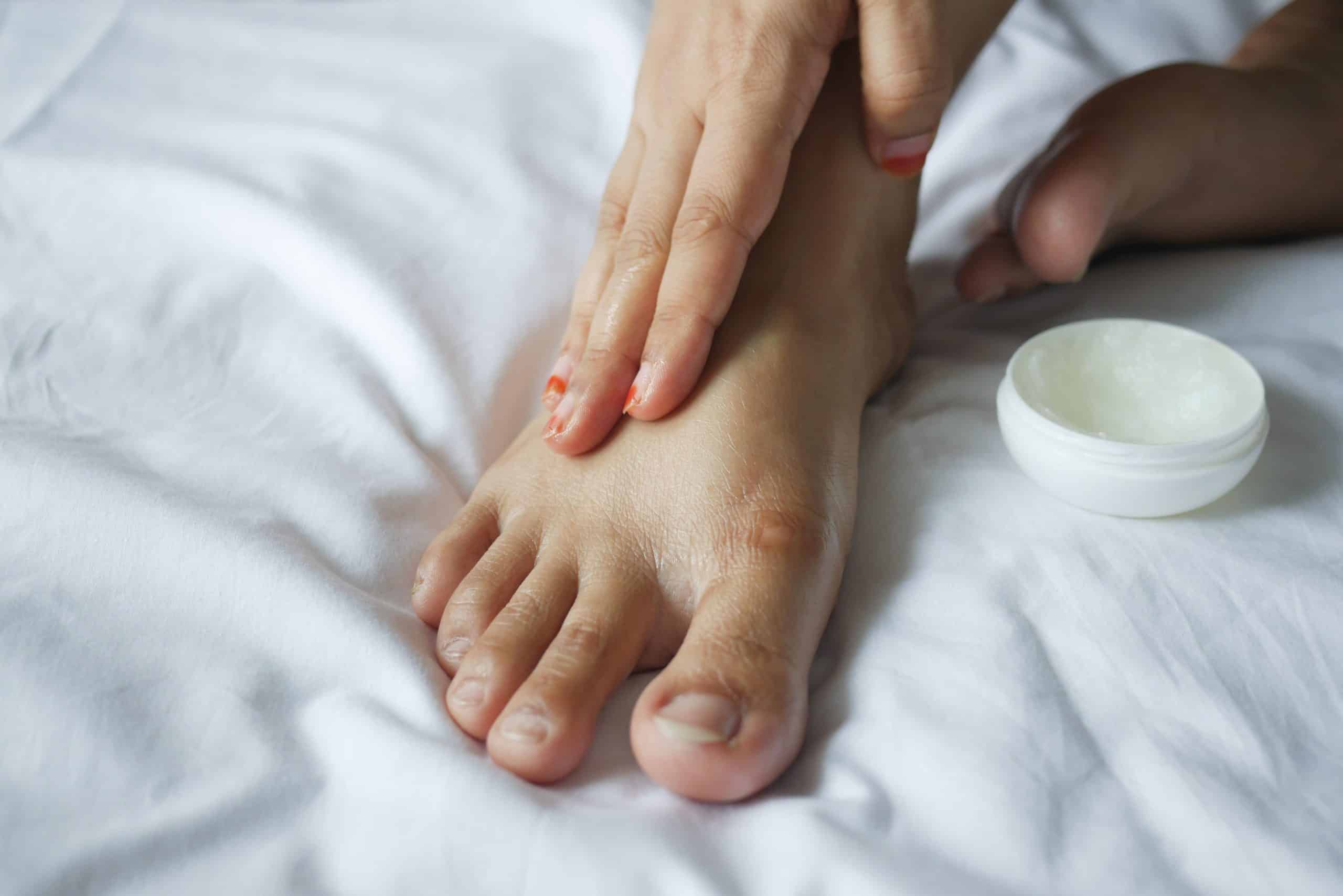
Petroleum jelly isn’t a callus remover in the exfoliating sense, but it’s a gentler daily option for calluses that have started cracking or peeling, where anything more active would irritate already-compromised skin further.
What to avoid entirely
Blades, razors, and grater-style shavers show up marketed as callus tools, and they’re the option foot care sources consistently warn against. Cutting into thickened skin with a sharp edge is how healthy skin underneath gets nicked, and that’s an entry point for infection, not a shortcut to smoother feet. A callus that looks stubborn is not a reason to reach for something sharper. It’s a reason to switch to a slower method or get it looked at.
Aggressive single-session removal in general is worth avoiding, whatever tool is involved. A callus built up over weeks or months doesn’t need to disappear in one sitting, and trying to force that usually means taking off more than the dead, thickened layer.
Who should skip at-home callus care altogether
This is the part that gets skipped in most product marketing, and it matters. People with diabetes, peripheral artery disease, peripheral neuropathy, or an existing skin condition like athlete’s foot should not be self-treating calluses with pumice, blades, or chemical exfoliants. Reduced sensation or circulation means an injury can go unnoticed until it’s already serious, and these are exactly the situations where a callus problem needs a podiatrist rather than a home remedy, however gentle it seems.

How this connects to the rest of a pedicure routine
Calluses don’t exist in isolation from the other tools in a kit. A foot file, glass in particular, is a reasonable maintenance step between the more targeted treatments above, especially for calluses that are mild rather than thick and cracked. And a lot of the pedicure kits people already own include a basic pumice stone that covers light upkeep just fine, even if it isn’t enough on its own for a callus that’s had months to build up.
Frequently asked questions
What’s the safest way to remove a callus at home?
Soaking the foot first, then using a pumice stone gently once or twice a week, or a urea cream applied daily, are the options foot care sources point to most consistently. Sharp blades and graters carry real injury risk and should be avoided.
Can urea cream really soften a callus?
Yes. At 30 to 50 percent strength it both moisturizes and chemically loosens thickened skin when applied daily, without the cutting risk of a blade.
Is it ever okay to cut a callus with a blade at home?
No. That’s specifically the method foot care guidance warns against, since it risks cutting into healthy skin and creating an infection risk. A podiatrist can safely debride a callus if it genuinely needs it.
Who shouldn’t treat calluses at home at all?
Anyone with diabetes, peripheral artery disease, neuropathy, or an active skin condition on the foot. Reduced sensation or circulation makes self-treatment risky, and a podiatrist should handle it instead.
How long does it take for a callus to actually go away?
Gradually, over days to weeks depending on the method and how thick it is. Salicylic acid pads and AHA peels work over roughly two to seven days per application cycle; pumice and urea cream are a slower, ongoing maintenance process rather than a one-time fix.