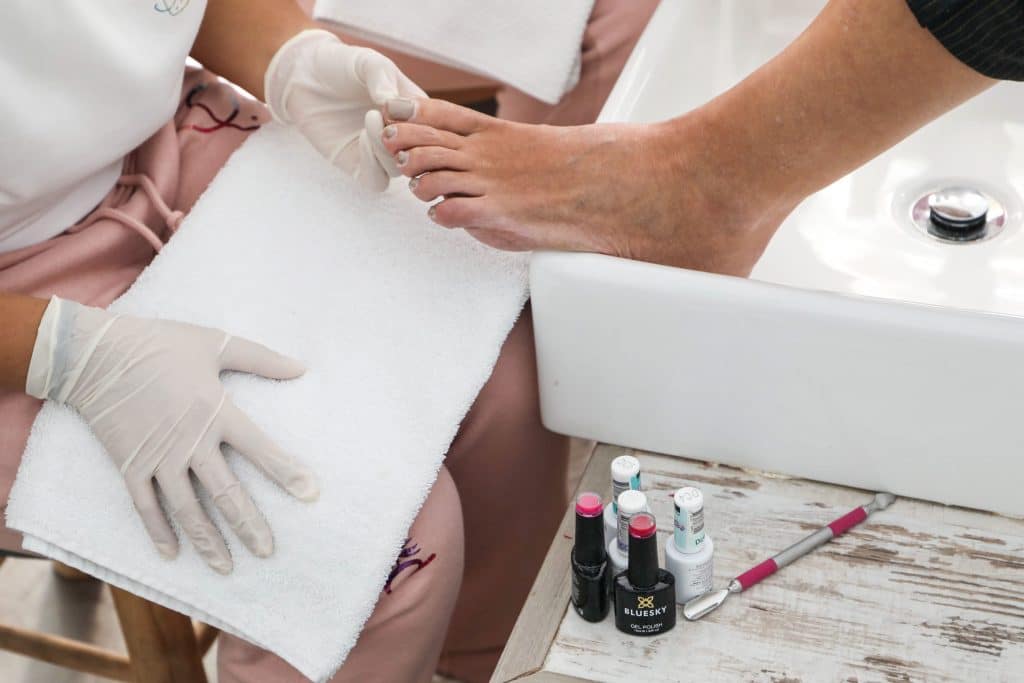
A drugstore pedicure set and a version often look almost identical on paper: a dozen tools packed into a zip case. Both usually have roughly the same tools in them. The difference wasn’t the tool list, it was what those tools were made of, and that’s the part most people never check before buying.
What actually needs to be in a real kit
Strip away the marketing and a functional pedicure kit comes down to a short list. A toenail clipper built for the thickness of toenails, not a repurposed fingernail clipper. A nail file. A cuticle tool, either a metal pusher or a glass stick. Something for calluses, whether that’s a foot file or a pumice stone. That’s the core. Everything past that, extra buffers, orange sticks, a pedicure bar, is a nice-to-have rather than a requirement.
Where quality actually matters
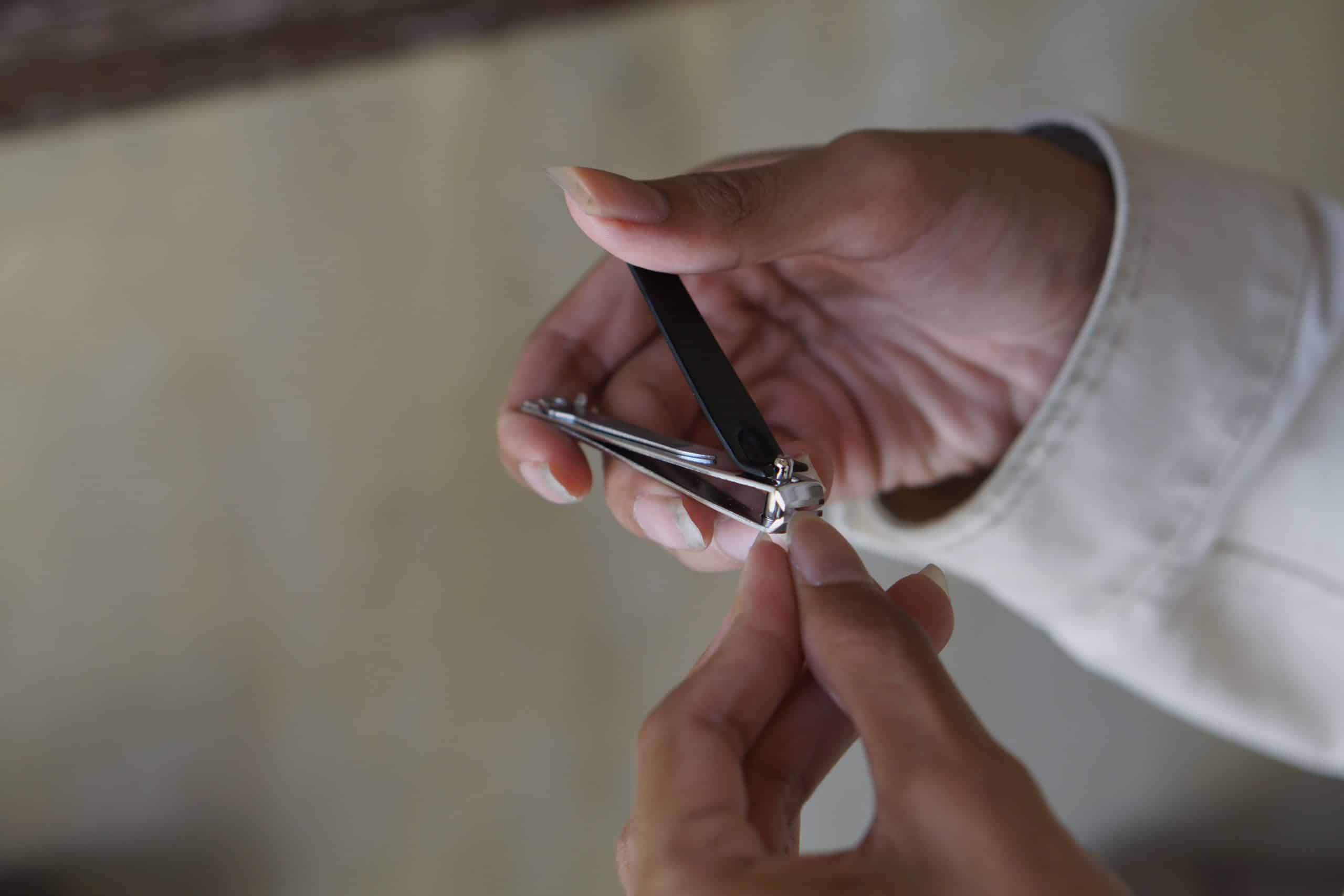
The clipper is the one place I’d never go cheap. A high-carbon stainless steel clipper gives a clean cut through a toenail’s thickness without crushing it first, and it holds an edge for years instead of months. A cheap clipper with a dull or misaligned blade squeezes the nail before it cuts, which is a real contributor to nails that split or grow in unevenly afterward.
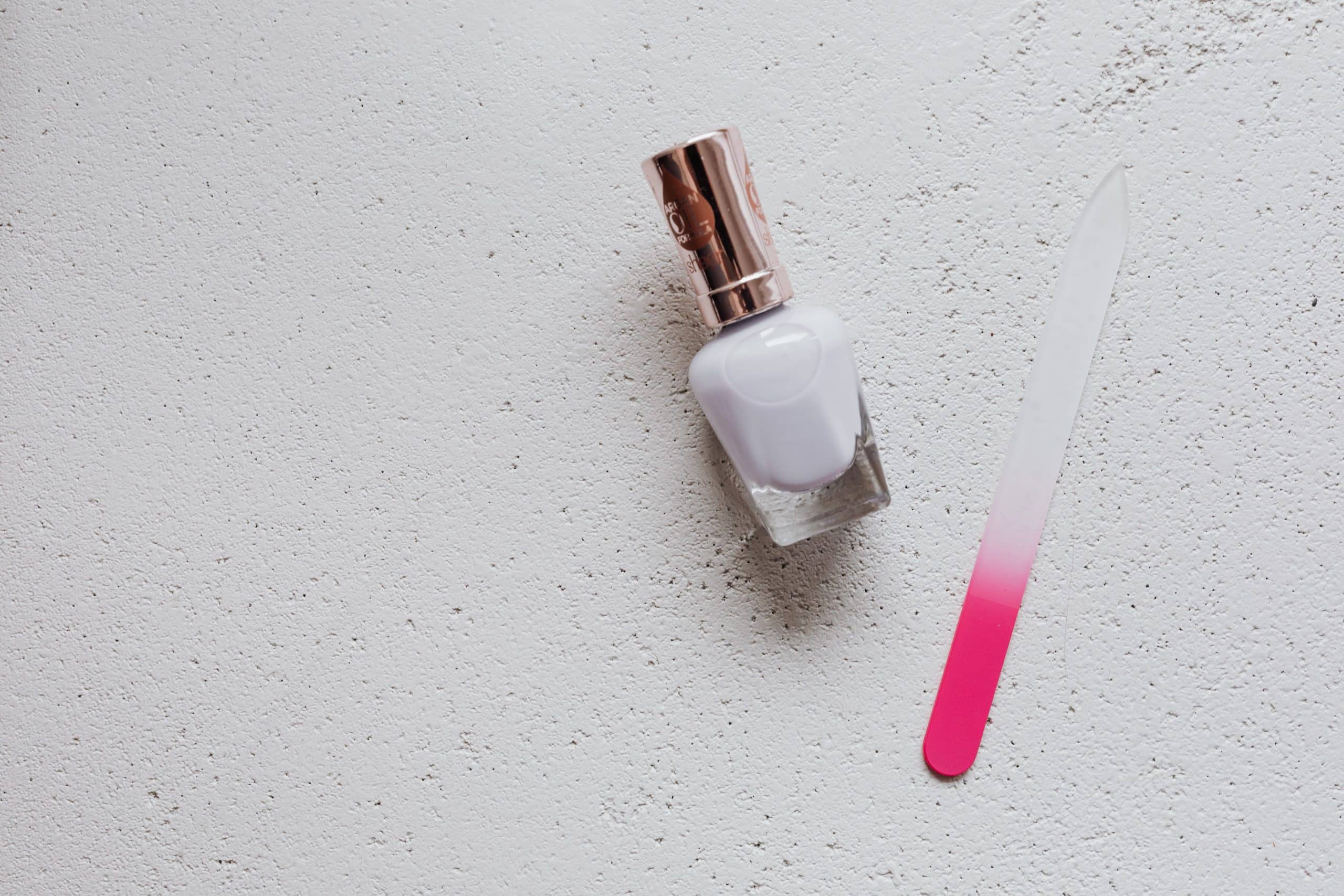
The file matters almost as much. Crystal glass files smooth and seal the edge of the nail as they file, and they don’t wear out the way an emery board does. A worn-down emery board doesn’t just file less effectively, it leaves a rougher edge that’s more prone to snagging and peeling. If a kit’s file is a thin cardboard emery board, plan on replacing it separately.
The cuticle tool is where material choice depends on who’s using it. Metal pushers, usually with a flat end and a pointed or spoon-shaped end, do more work per pass but need a lighter, more careful hand. Our full breakdown of metal, wood, and silicone cuticle pushers covers which one actually fits a beginner versus someone comfortable with the tool.
Where cheap is genuinely fine
Wood orange sticks, if a kit includes them, are disposable by design and don’t need to be premium. A basic pumice stone is fine too, as long as it’s rinsed and dried properly between uses so it isn’t sitting around holding onto bacteria. Toe separators included in a kit are almost always the single-use foam kind, and there’s no upgrade to chase there since they’re doing a twenty-minute job during polish application, not a long-term one. Our toe separator guide covers the difference between that kind and the reusable silicone spacers sold separately for comfort.
What tends to be missing, even in expensive kits
A callus tool that can actually handle thick, built-up skin is the most common gap, even in kits priced well above $30. A lot of sets include a light pumice stone and call it done, which is fine for maintenance but does very little against a callus that’s had months to develop. If feet need real work, that’s a separate purchase, and our foot file comparison covers glass, metal, and pumice options depending on how much buildup there actually is. For anything past routine filing, our callus remover guide covers safer options and where the line is for seeing a podiatrist instead of continuing at home.
Price tiers, honestly
Under $15 usually means a plastic-handled clipper that dulls fast, an emery board instead of glass, and a basic pumice. Fine for someone who wants the absolute basics and doesn’t mind replacing the clipper in a year. $20 to $40 is where a stainless steel clipper and a glass file start showing up together, which is the range I’d actually recommend for anyone doing their own pedicures regularly. Above $50, the jump is mostly extra tools, a case, and sometimes an electric callus tool, rather than meaningfully better versions of the core five items. It’s the same pattern we cover for gel setups in our gel nail kit guide: price above a certain point buys convenience and extras, not better fundamentals.
Frequently asked questions
Is an expensive pedicure kit worth it?
Only up to a point. A clipper in high-carbon stainless steel and a glass nail file are worth paying for since they last and perform better. Past that, extra tools and a case are convenience, not core function.
What’s the one tool in a pedicure kit I shouldn’t buy cheap?
The toenail clipper. A dull or poorly aligned cheap clipper crushes the nail before cutting it, which is a common cause of splitting and uneven growth.
Do I need a separate callus tool if my kit came with a pumice stone?
For light maintenance, no. For a callus that’s already thick, a light pumice stone usually isn’t enough, and a proper foot file or a dedicated callus remover product will do more.
Are the toe separators in a pedicure kit worth upgrading?
No. The ones included are single-use foam meant to hold toes apart during polish application, and there’s no better version of that specific job.
How long should a good pedicure kit last?
The clipper and glass file, if they’re decent quality, can last years. Anything disposable, orange sticks, pumice, foam separators, gets replaced as it wears out rather than lasting the life of the kit.