Rough heels that stay rough after weeks of filing are a common complaint, and the cause is often not the tool itself but how it’s used: the wrong file for the job, or the right one used too often. Foot files aren’t interchangeable, and a mismatch is how people end up with either no results or skin that’s irritated instead of smooth.
The three materials, and what actually separates them
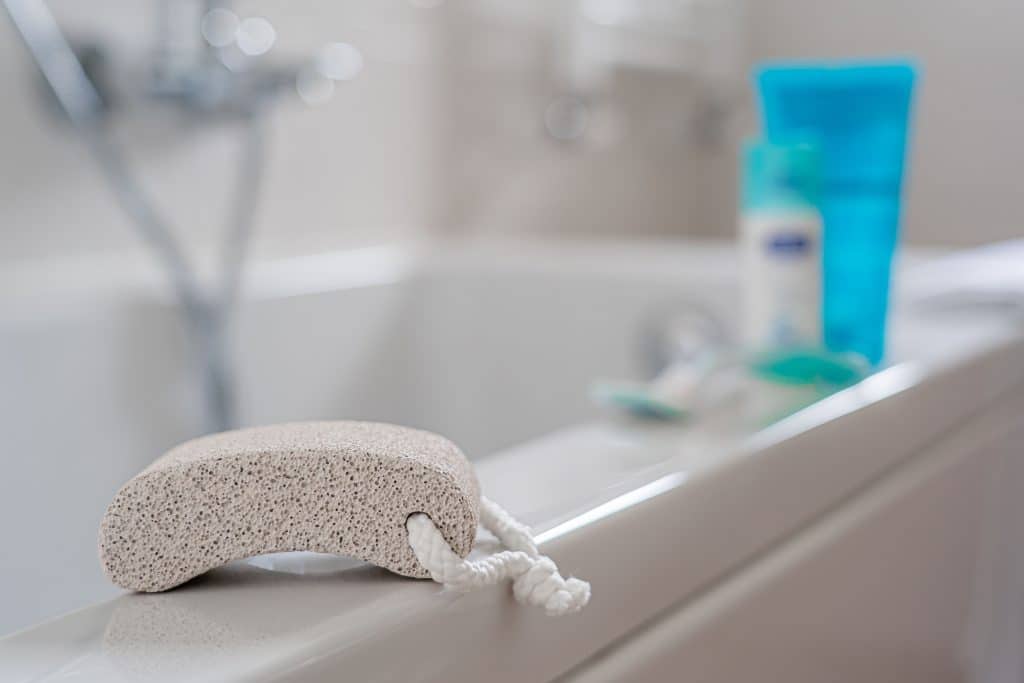
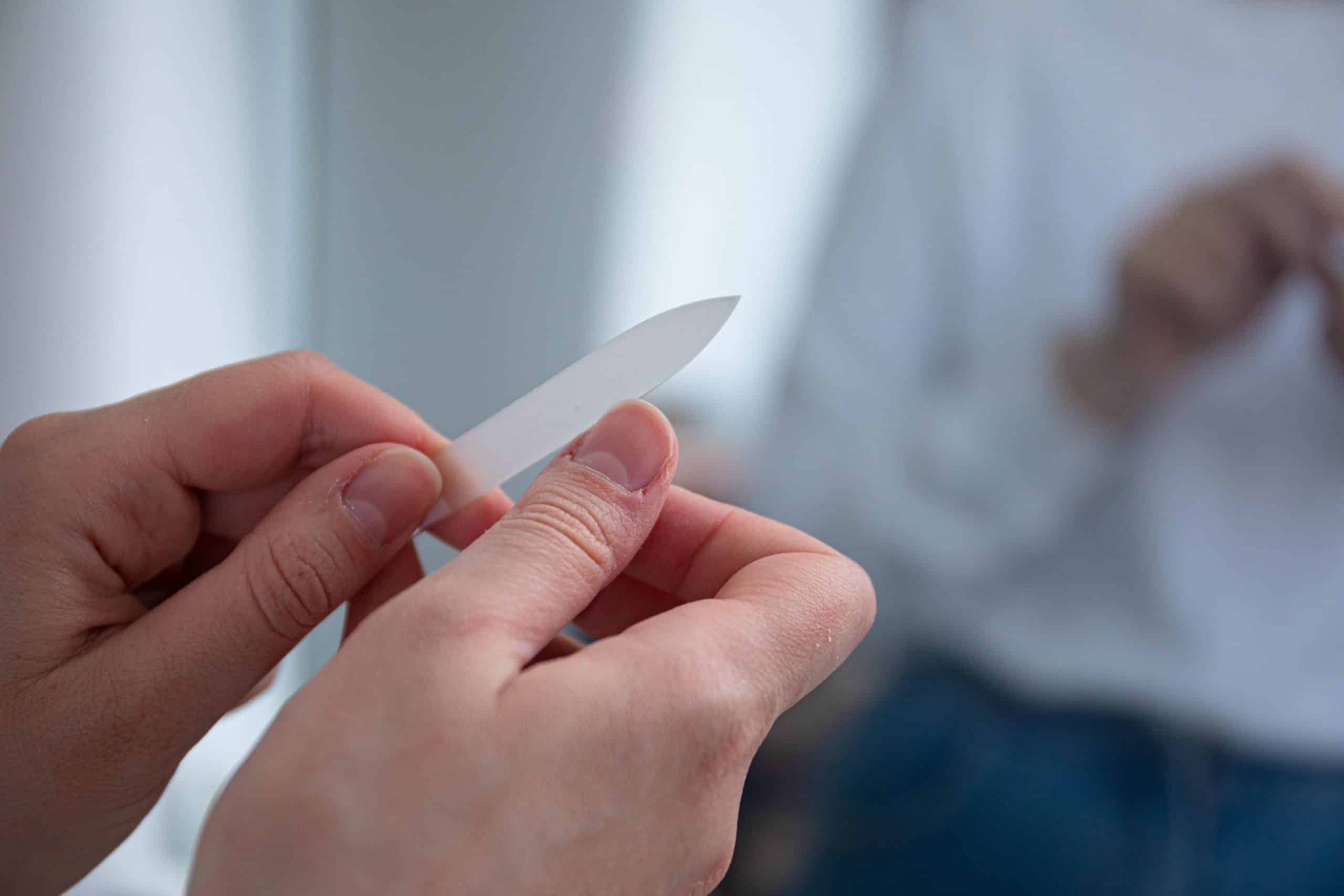
Pumice is natural volcanic rock, light and full of tiny pores. Glass or crystal files are solid, non-porous, with a textured surface etched into the material itself. Metal files, sometimes called rasps or graters, use small punched holes with a sharp edge on each one to shave off skin.
The practical differences matter more than the material names. Pumice gives what one comparison from LondonTown describes as light, natural exfoliation suited to sensitive skin or minor calluses, but it only works on skin that’s already softened by soaking, and its porous surface can harbor bacteria if it isn’t dried thoroughly between uses. Glass and metal files work on both wet and dry skin, hold up longer, and are easier to actually sanitize since they don’t have the porous surface pumice does.
Which one for which problem
Thin, occasional dry patches: pumice, used after a soak, is enough and it’s gentle. Thicker calluses that have built up over weeks, especially on heels or the ball of the foot: glass or metal files handle that load better, since they remove more material per pass. Metal rasps are the most aggressive of the three and work fastest on genuinely thick, hardened skin, but that same aggressiveness is exactly why they’re the easiest to overuse.
A glass file is a sensible default for most feet because it sits in the middle: enough exfoliation to make real progress on a callus, gentle enough that a normal amount of pressure doesn’t strip healthy skin along with it. Metal is best kept for heels that haven’t seen upkeep in months.
Wet filing versus dry filing
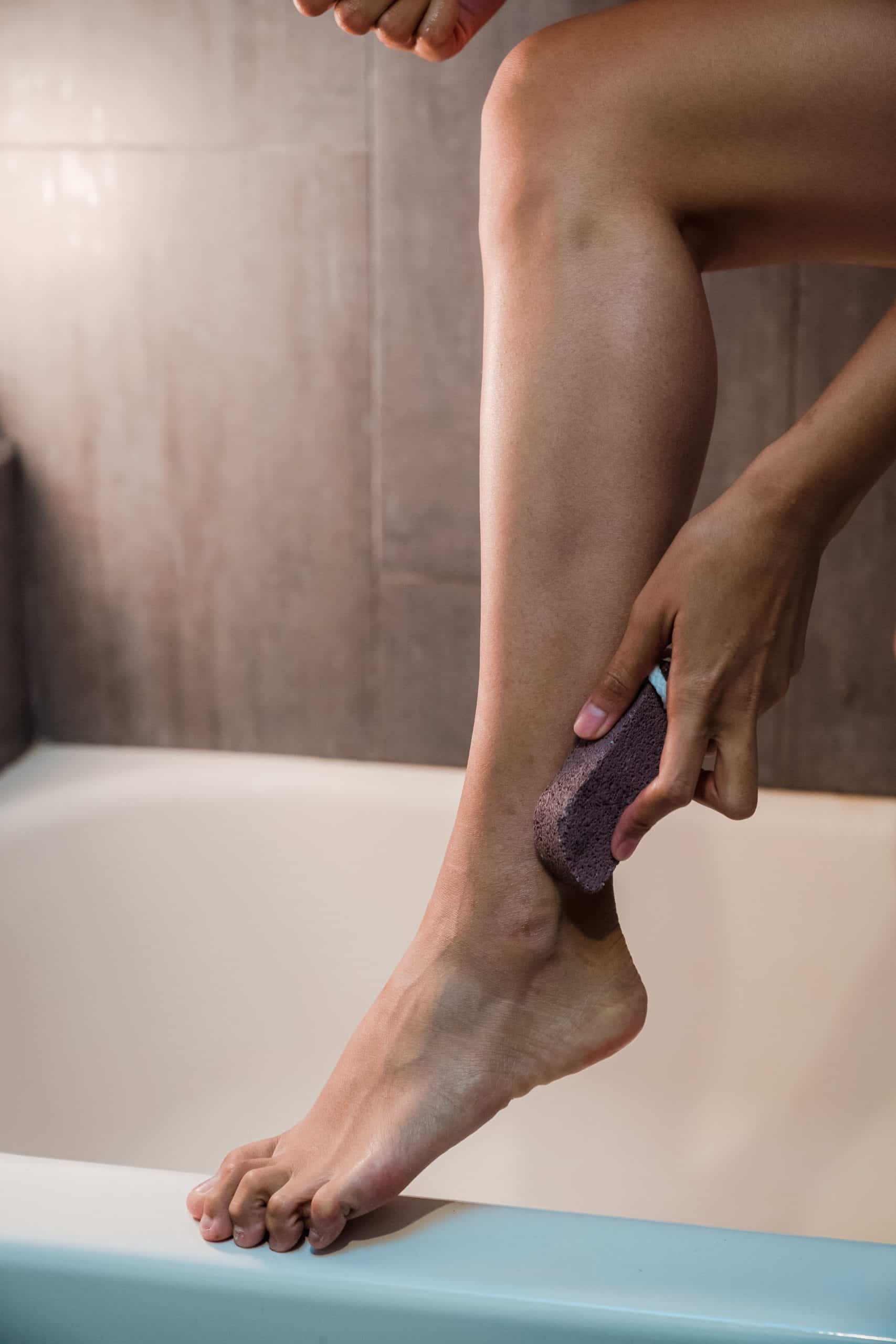
Filing skin that’s been soaked for a few minutes is gentler and lowers the chance of irritation, which is the safer default for anyone doing this themselves at home. Dry filing removes more callus per stroke and is what a lot of professional setups use for stubborn buildup, but it needs a lighter hand and more attention, since it’s easier to take off more than intended when the skin isn’t softened first.
The hygiene issue with pumice specifically
A pumice stone’s whole advantage, that porous surface, is also its weak point. Skin cells and moisture get trapped inside the pores, and if it isn’t rinsed and fully air-dried after every single use, it becomes a place for bacteria to sit and grow between sessions. Glass and metal files don’t have this problem to the same degree since there’s no porous structure for anything to lodge into, which is part of why they’re easier to keep clean long-term.
How often is actually reasonable
Once or twice a week is the range that shows up consistently in guidance on this, not daily. Skin needs time to recover between sessions, and filing every day, regardless of which tool is doing it, is how people end up with skin that’s thinner and more reactive rather than smoother. If a callus isn’t budging after a few weeks of consistent, moderate use, that’s a sign to change technique or frequency, not to file harder.
FAQ
Is a glass foot file better than a pumice stone?
For thicker calluses, generally yes, since it works on dry skin, lasts longer, and is easier to sanitize. For light, occasional dryness on sensitive skin, pumice used after a soak is gentler and perfectly adequate.
How often should I use a foot file?
One to two times a week is the range that avoids over-exfoliating. Daily use on the same spot tends to irritate skin rather than improve it.
Can a metal foot file be too aggressive?
Yes. It removes the most material per pass of the three types, which is useful on thick, neglected calluses but easy to overdo on normal skin or with too much pressure.
Do I need to soak my feet before using a foot file?
For pumice, yes, it barely works on dry skin. Glass and metal files work either way, but soaking first makes any of them gentler on the skin.
How do I clean a foot file properly?
Rinse it after every use and let it fully air-dry before storing it. This matters most for pumice, since its porous surface can trap bacteria if it’s put away damp.
A foot file is one piece of a bigger setup. See our guides to what’s actually worth buying in a pedicure kit and whether toe separators are worth using. If a callus is already thick enough that filing alone isn’t touching it, our callus remover guide covers the next options. And for the same grit-and-material logic applied to hands instead of feet, see our breakdown of what each nail buffer grit actually does.