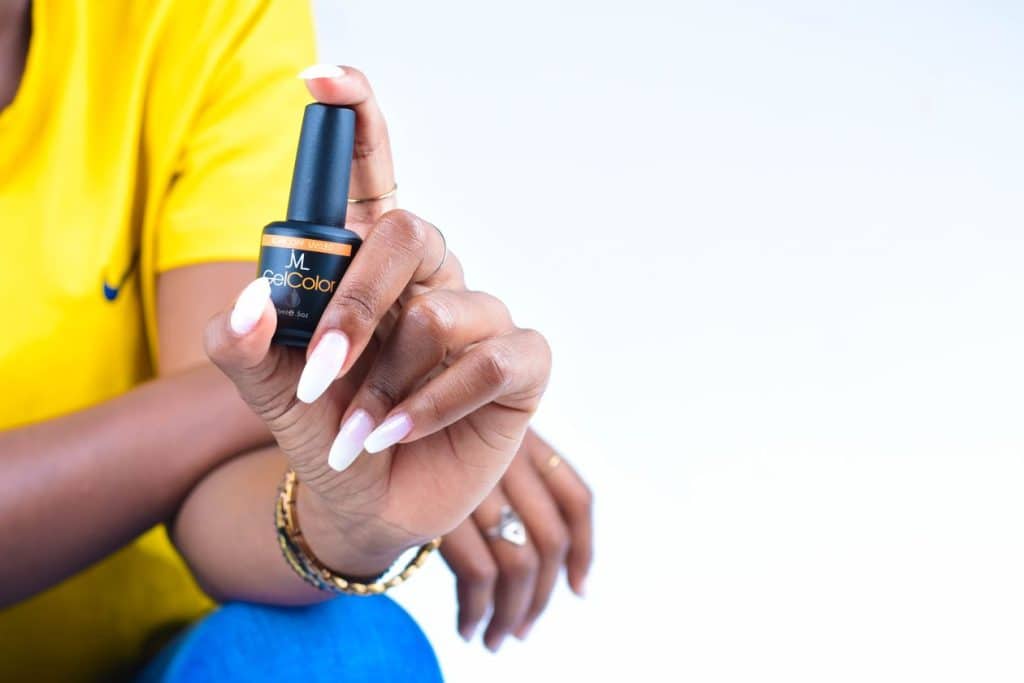
My cousin asked me to talk her out of a $40 gel starter kit last month, half hoping I’d say it was a waste of money. I didn’t. I told her it would probably take three tries before her set looked salon-decent, and she bought it anyway. That’s the honest framing for DIY gel nails at home: it works, but “worth it” depends on whether you’re comparing it to a salon visit, to your own first attempt, or to what a decent kit actually costs once you factor in every bottle and tool you’ll end up buying along the way.
What DIY gel actually requires
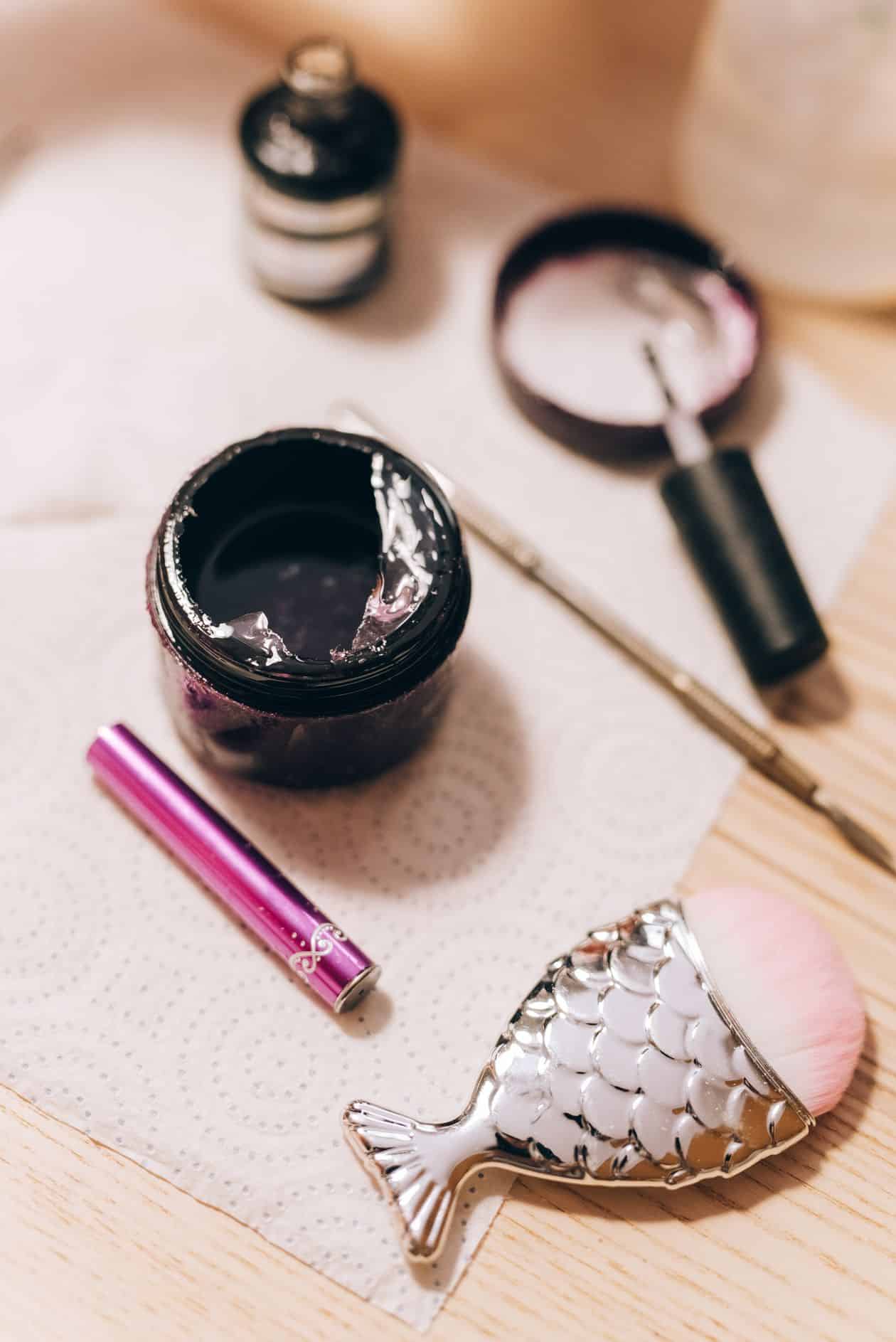
A real gel set, not gel polish over regular nails, needs a UV or LED lamp, a base coat, builder gel or gel polish, a top coat, isopropyl alcohol for cleanup, and basic prep tools: a file, buffer, cuticle pusher, and a lint-free wipe. Starter kits bundle most of this for $25 to $60, though the lamp inside cheaper kits is often underpowered for anything beyond gel polish, which matters if you’re planning to build length or structure with builder gel rather than just coloring your natural nails.
What actually goes wrong the first few times
Skipping or rushing nail prep
Gel bonds to a clean, dehydrated nail plate, not to natural oils and old cuticle. Skipping the dehydrator step, or not pushing back cuticles far enough, is the single most common reason a first DIY set lifts within days rather than lasting the two-plus weeks gel is supposed to.
Applying coats too thick
Gel cures from the surface down under a lamp. A coat applied too thick stays gummy underneath even after the timer goes off, which shows up later as a soft, dented-feeling nail. Thin, even coats cured fully between layers is slower but far more reliable than one heavy coat.
Using an underpowered lamp
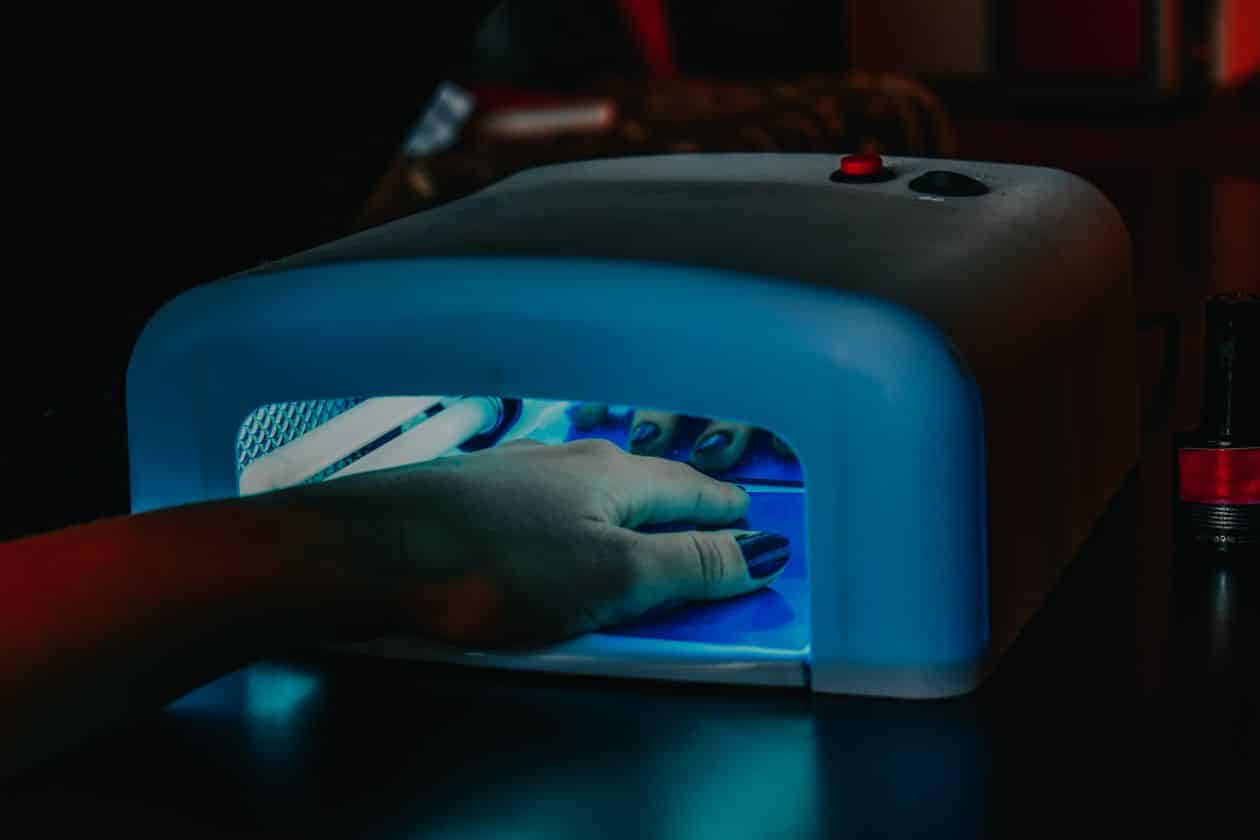
A 6-watt keychain lamp cures gel polish slowly and unevenly, and most won’t fully cure builder gel at all. A proper at-home setup needs at least a 24-watt LED lamp for gel polish, and closer to 48 watts for builder gel to cure all the way through in a reasonable time.
Removing a DIY gel set safely
Gel doesn’t peel off cleanly, and forcing it (picking, prying with a cuticle stick, or ripping a stubborn edge) takes layers of the natural nail plate with it. The correct process is a 10 to 15 minute acetone soak using cotton pads wrapped in foil, or a bowl soak for a lighter gel polish layer, followed by gently pushing off the softened product rather than scraping at anything still resistant. Builder gel usually needs light filing to break the seal on the top coat before the acetone can penetrate, which is where a lot of home removal goes wrong: skipping that step and soaking a fully sealed, unfiled surface can mean 30-plus minutes of soaking for something that should take half that.
The UV exposure question
Both UV and LED nail lamps use UV wavelengths to cure gel, and repeated, frequent exposure adds up the same way any UV exposure does. It’s a minor, cumulative concern rather than an acute one for occasional use, and the standard precaution nail techs and dermatologists both point to is straightforward: apply a broad-spectrum sunscreen to your hands before curing, or wear fingerless UV-protective gloves, especially if you’re doing gel sets frequently. Anyone with a personal or family history of skin cancer should raise frequent lamp use with a dermatologist rather than guessing at what’s an acceptable amount.
Cost: DIY versus salon, honestly compared
A salon gel manicure runs $35 to $60 in most markets, repeated every two to three weeks. A DIY starter kit costs $25 to $80 upfront, plus $10 to $20 per set in ongoing polish and supplies, which means the kit pays for itself after two to four home sets compared to salon visits. What that math leaves out is time and the learning curve: a first home set commonly takes 60 to 90 minutes versus a 45-minute salon appointment, and early attempts often chip or lift faster than a professional set would, closing part of the cost gap until technique improves.
Where DIY gel is genuinely worth it
DIY makes the most sense for people doing gel polish only, without building length or structure, who do their nails often enough that the kit gets real use, and who don’t mind a learning curve on the first few sets. It’s also a reasonable way to space out salon visits rather than replace them entirely, doing simple color changes at home between appointments for a more involved set. Someone who gets a fresh gel manicure every two weeks regardless of condition, purely on a schedule, is a good candidate to shift some of those visits to a home touch-up instead, saving the salon appointment for when a full reset or a structural service like an extension is actually needed.
Where it’s usually not worth it
Building length or a sculpted apex with builder gel is a harder skill to self-teach than applying gel polish, and a poorly built apex is both more visible and more prone to cracking than an uneven polish job. Anyone wanting complex nail art, consistent salon-level finish, or extensions is generally better served by a professional set, at least until basic gel polish application feels solid.
If you’re starting from scratch, what builder gel actually is is worth reading before you buy a kit built for structure rather than color. Our builder gel for beginners guide walks through a first set step by step, and how to apply builder gel covers the layering and curing process in more detail. On the equipment side, our gel nail kit guide breaks down what’s actually inside the kits worth buying, and how to choose a UV nail lamp covers the wattage question in more depth than a kit’s marketing copy usually does.
FAQ
Can you do a full builder gel set at home as a beginner?
Yes, but expect the first attempt to look noticeably less refined than a salon set, particularly around the apex and sidewalls. Most people see a real improvement by their second or third try.
How long does DIY gel actually last compared to a salon set?
A well-applied DIY gel polish set can last close to the same two to three weeks as a salon set. Early attempts, before prep and cure technique are solid, often chip or lift within a week.
Do you need a professional-grade lamp for home use?
Not professional-grade specifically, but wattage matters more than price. A 24 to 48-watt LED lamp handles both gel polish and builder gel; cheaper, lower-wattage lamps often can’t fully cure builder gel.
Is it cheaper to do gel nails at home long-term?
Usually yes, once the upfront kit cost is covered, but the savings shrink if early attempts fail and need redoing, or if inconsistent home results send you back to the salon anyway.
What’s the most common reason a DIY gel set fails early?
Incomplete prep, specifically skipping nail dehydration or not pushing cuticles back far enough, causes more early lifting than any other single mistake. It’s a five-minute step that’s easy to rush and hard to notice you’ve rushed until the set starts peeling.