Builder gel doesn’t come off the way gel polish does, and treating it like a regular soak-off is the fastest way to end up filing for twenty minutes and still peeling at the last stubborn corner. It’s thicker, it’s often applied in more layers, and depending on the brand, it might not be a soak-off product at all.
Here’s how to remove builder gel without stripping your natural nail down in the process, plus how to tell if what’s on your hands is even meant to come off in acetone.
Why builder gel takes longer to remove than gel polish
Gel polish is a thin coating, maybe two layers total. Builder gel is applied thick enough to add structure, sometimes four or five layers deep by the time you count base coat, two building layers, and top coat. Acetone has to work through all of that before it can loosen the bond to the nail plate, so a soak that takes ten minutes for polish can take twenty-five for a full builder gel set. That’s normal. It’s not a sign you’re doing something wrong. Dip powder follows the same logic but runs longer still; our dip powder removal guide has the specific timing.
Check what you’re actually removing first
Not every product that calls itself builder gel or hard gel is soluble in acetone. Some hard gel formulas are file-off only, meaning they’re designed to be removed entirely with an e-file or hand file rather than dissolved. If you soak one of those for thirty minutes and nothing happens, you’re not doing it wrong, you just have the wrong method for that product. Check the label, or ask whoever applied it, before you commit to a long soak that was never going to work.
If you’re not sure, file down the top layer first regardless. If the surface underneath softens and starts to look milky or wrinkled after ten minutes wrapped in acetone, it’s soak-off. If it still feels rock hard after that, stop soaking and switch to filing the rest off by hand or with an e-file.
What you need
100% pure acetone, not the diluted kind sold for regular polish removal. A coarse file, 100 or 180 grit, for breaking down the top layer. Cotton pads or squares. Small pieces of foil. A wooden or metal cuticle stick. A buffer block for the finish, and cuticle oil for after. If you have access to an e-file, it speeds up the initial filing stage considerably, but a hand file works fine if you’re patient with it.
Removing soak-off builder gel, step by step
File down the bulk first
This is the step people skip and regret. Take the coarse file and remove as much of the top coat and surface layer as you reasonably can before you touch any acetone, until the shine is completely gone and the surface looks matte and slightly rough. With builder gel’s thickness, this step matters more than it does for gel polish. The less product acetone has to dissolve, the shorter and easier the rest of the process is.
Protect the surrounding skin
Rub cuticle oil or petroleum jelly around each nail, avoiding the nail plate itself, before you start soaking. Builder gel removal sessions run longer than polish removal, so your skin sits in acetone longer too, and it’ll dry out fast without a barrier.
Soak and wrap
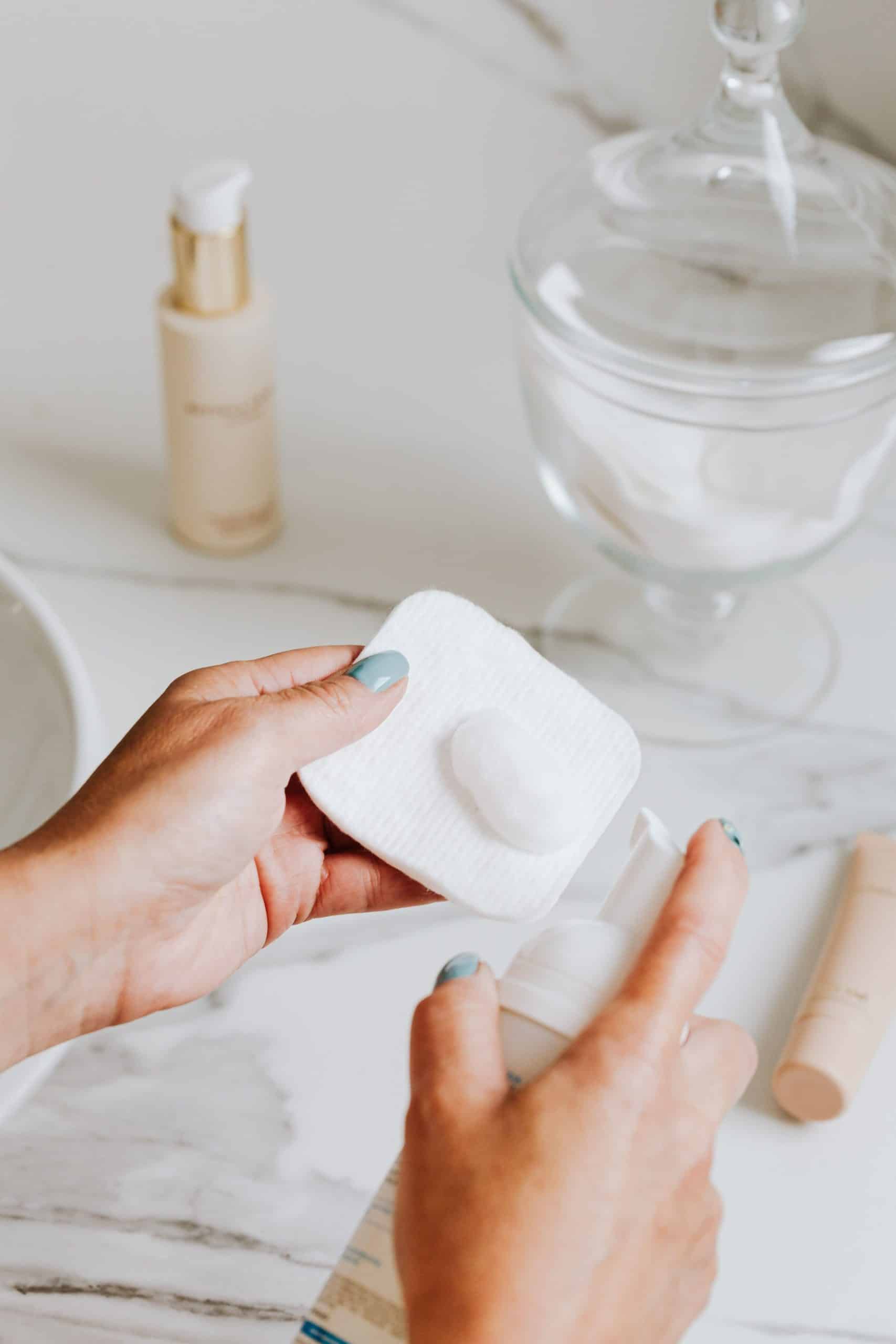
Soak a cotton pad in acetone, press it onto the filed nail, and wrap the fingertip tightly in foil. The foil traps warmth, and warmth speeds up how fast acetone breaks down the gel. Wrap all ten fingers at once if you can manage it, since a nail left exposed to air while you work on the others cools down and the soak slows.
Wait longer than you think you need to
Fifteen minutes minimum, and closer to twenty-five for a thick full-coverage set. Check one nail around the fifteen-minute mark by pressing gently on the foil. If the gel underneath feels soft and moves when you press, it’s close. If it still feels solid, rewrap and check again in another ten minutes rather than forcing it early.
Push, don’t scrape
Unwrap one finger, and use the flat side of a cuticle stick to gently push the softened gel toward the free edge. It should lift in small pieces with very little resistance. Any section that fights back isn’t ready. Rewrap that one and move to the next finger instead of digging at it with metal.
Buff and recondition
Once the gel is off, buff lightly to smooth any residue left behind, wash off the acetone film, then work cuticle oil into the nail bed and the skin around it. Your nails will look and feel thin and a little rough right after, and that’s dehydration, not damage. It settles down within a day or two of regular oiling.
If it’s not budging after 30 minutes
Stop and reassess rather than pushing past the half-hour mark. Fresh acetone works better than old acetone that’s been sitting exposed and evaporating, so rewrap with a new pad rather than assuming a longer wait alone will fix it. If it genuinely still won’t move after a full fresh wrap, you’re probably dealing with a file-off hard gel rather than a soak-off builder gel, and no amount of extra soaking time will change that. At that point, filing the rest off, or booking a salon removal, beats sitting there for another forty-five minutes on the off chance it finally softens.
The mistake that causes the most damage
Peeling or prying builder gel off before it’s ready pulls layers of your actual nail off with it, since builder gel bonds tightly to the outermost layer of the nail plate. This is where most of the damage people blame on builder gel actually comes from. The product itself, removed correctly, doesn’t do much harm. A rushed removal with a metal tool does. If you find yourself getting impatient and reaching for something to pry with, that’s the moment to stop, rewrap, and wait instead.
Skipping the initial filing step causes a different problem: a soak that never seems to finish, which tempts people into exactly the prying they should be avoiding. The two mistakes feed each other, so the fix for both is the same, file first, then be patient with the soak.
Salon removal vs doing it at home
A salon soak-off for builder gel usually runs faster than doing it yourself, since technicians use warmed acetone and know exactly how much to file down before wrapping. Expect to pay a soak-off fee even if you’re not getting a new set, usually somewhere in the 15 to 25 dollar range for builder gel specifically, a bit more than a standard polish removal because of the extra time involved. If your nails feel weak from a previous rough removal, or you genuinely can’t tell whether what’s on your hands is soak-off or file-off, paying for one professional removal is a reasonable way to reset before doing it yourself next time.
Aftercare
Cuticle oil twice a day for the next few days does more for recovery than anything else. Keep nails a bit shorter for one cycle if they feel weak or bendy after removal, since shorter nails flex less and are less likely to catch and tear. If you’re going straight into a new set, wait until the surface stops looking chalky or ridged, usually a day or two, rather than applying fresh gel over nails that are still dehydrated from the acetone.
When to stop and see someone
Some dryness and short-term thinning after removal is normal. It’s a different situation if you see ongoing redness, swelling, or pain around the nail fold that doesn’t ease up within a few days, or if part of the nail plate looks separated from the skin underneath it. That’s worth a dermatologist’s opinion rather than more oil and waiting. This guide covers routine removal, not diagnosing what’s going on if something looks genuinely wrong.
FAQ
How long does it take to remove builder gel?
Usually 15 to 25 minutes once the top layer has been filed matte first, longer than gel polish because there’s more product for the acetone to break down.
Can all builder gel be soaked off?
No. Some hard gel formulas are file-off only and won’t dissolve in acetone no matter how long you soak. Check the label or ask whoever applied it before you start.
Why is my builder gel not coming off in acetone?
Either it hasn’t soaked long enough, the acetone has evaporated and weakened, or it’s a file-off hard gel that was never going to soften in acetone in the first place.
Does removing builder gel damage your natural nails?
Not when it’s soaked off properly. Most of the damage people associate with builder gel removal comes from peeling or prying it off before it’s softened, not from the product or the acetone itself.
Can I use an e-file to remove builder gel?
Yes, and it’s often faster for the initial filing stage or for file-off hard gel formulas. Go slowly and keep the bit moving to avoid heat buildup or filing into the natural nail underneath.
How is removing builder gel different from removing regular gel nails?
The steps are the same soak-off method, just longer, because builder gel is thicker. See our guide on how to remove gel nails at home safely for the full breakdown of the base method.
What should I do right after removing builder gel?
Buff away any residue, wash off the acetone film, and work cuticle oil into the nail and surrounding skin. Expect some temporary dryness and thinness that resolves within a day or two.