A client showed up for her fill three weeks ago with two nails noticeably thinner than the other eight, flexible in a way healthy nail plate shouldn’t be. She’d gotten impatient with a lifted edge on a road trip and peeled the whole layer off with her fingers rather than waiting for a proper soak-off. The dip powder wasn’t what thinned her nails. The peeling was.
Why dip powder is harder to remove than gel polish
Dip powder builds up in several dipped and sealed layers, each one bonded to the last with an activator, which gives it more physical bulk than a couple of coats of gel polish. More bulk means more product for acetone to break down, so removal takes longer and rewards patience more than gel polish does. Rushing it, or worse, prying and peeling instead of soaking, pulls up layers of the natural nail plate along with the product, which is where most of the damage people blame on dip powder actually comes from.
What you’ll need
A coarse nail file or buffer, 100% pure acetone (not an acetone-based nail polish remover, which is too diluted to work efficiently), cotton balls or pads, small pieces of foil, and a cuticle stick for the final gentle push once the product has softened.
Step-by-step soak-off method
1. File down the top seal
Dip powder finishes with a sealed, glossy top layer that acetone can’t penetrate on its own. Using a coarse file, buff away that shine until the surface looks matte and dull across the whole nail. This step alone cuts soak time down significantly, since acetone can only start breaking product down once it has a way in.
2. Wrap in acetone-soaked cotton and foil
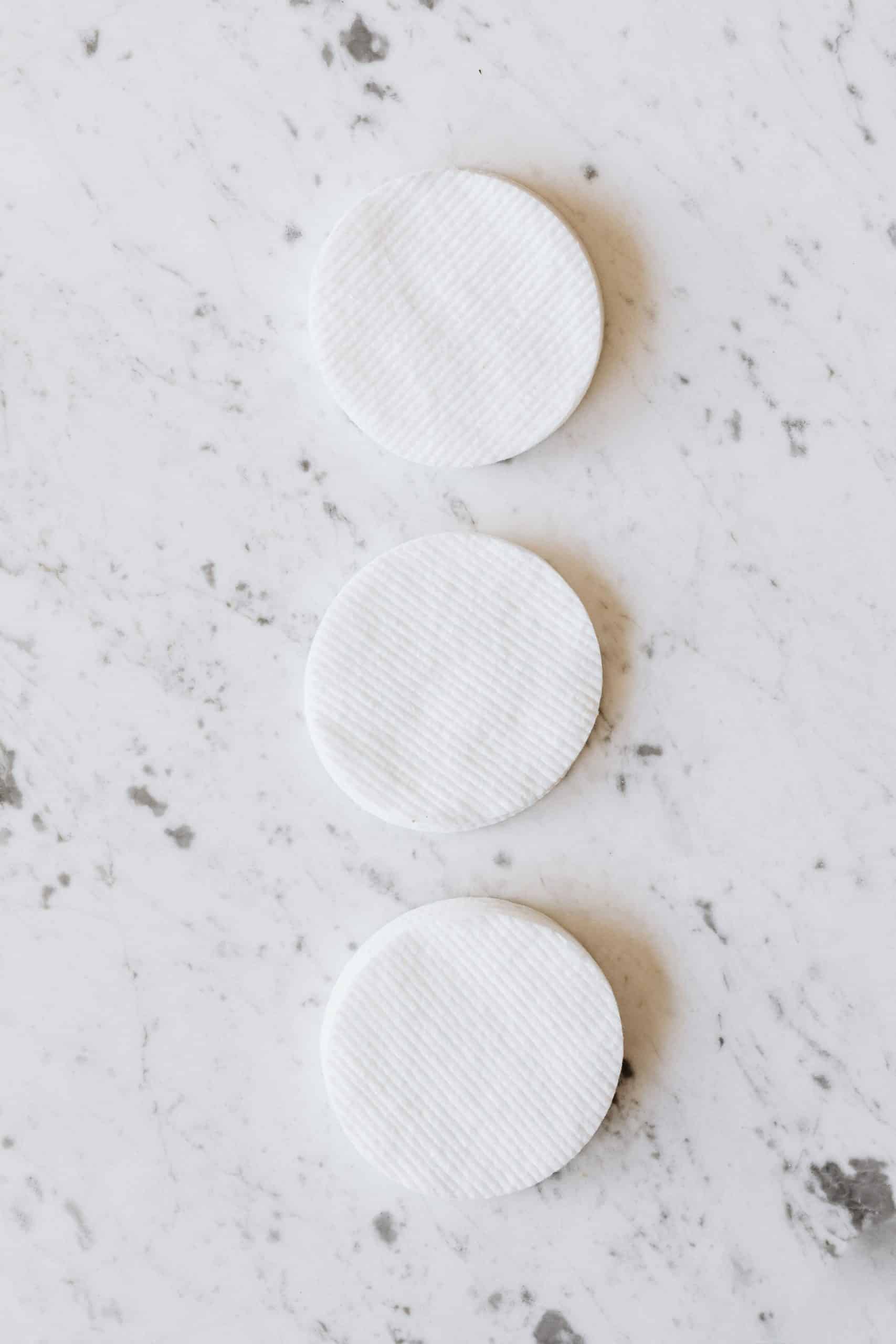
Soak a cotton ball or pad in pure acetone, press it directly onto the nail, and wrap a small square of foil around the fingertip to hold it in place and keep the acetone from evaporating. Foil traps warmth too, and gentle heat speeds up the breakdown, which is why some techs also soak hands in a bowl of warm water first or use a heated removal tool if the salon has one.
3. Wait it out, don’t check every two minutes
Ten to fifteen minutes is the average, but thicker dip powder builds can take closer to twenty. Constantly unwrapping to check breaks the seal, lets acetone evaporate, and just resets the clock. Set a timer and leave it alone.
4. Remove gently and buff
Unwrap and gently push the softened product off with a cuticle stick, working from the base toward the free edge with light pressure. If it resists and doesn’t slide off easily, it isn’t ready. Re-wrap and give it another five minutes rather than forcing it, since forcing is exactly what pulls up natural nail layers along with the product. Once everything’s off, a light buff smooths out any remaining residue or ridges.
Can you use an e-file to remove dip powder instead?
Some techs do, drilling most of the bulk away before a short acetone soak finishes the job, and it can genuinely save time on a thick build. The risk is skill-dependent: an e-file in inexperienced hands removes natural nail plate just as easily as it removes product, since there’s no visual line between the two once you’re a few passes in. If you’re working on your own nails at home, the soak-off method alone is the safer route. It takes longer, but it’s much harder to overdo.
Why picking damages your nails
Dip powder bonds to the nail plate itself, not just to a base coat sitting on top of it, so peeling it off dry pulls up whatever layer of natural nail it’s bonded to along with the product. That’s the mechanism behind almost every case of nails looking thin, ridged, or flexible right after a dip powder set comes off. The product didn’t weaken the nail during the three or four weeks it was worn. The forced removal did, in the space of about thirty seconds of impatient peeling.
Mistakes that make removal take longer
Skipping the top-seal filing step is the most common one. Without breaking that glossy seal first, acetone sits on top of the nail without penetrating anywhere, and ten minutes of soaking accomplishes almost nothing. Using diluted, scented nail polish remover instead of pure acetone is the second, since the added water and fragrance ingredients slow down the breakdown noticeably. And unwrapping the foil repeatedly to check progress resets the warmth and moisture buildup that’s doing the actual work, which paradoxically makes an impatient removal take longer than a patient one.
What if some product is still stuck after a full soak?
Occasionally a stubborn patch, usually near the cuticle or a thicker corner, doesn’t fully soften even after twenty minutes. Re-wrap that specific spot with a fresh, well-soaked piece of cotton rather than soaking the whole nail again from scratch, and give it another five to ten minutes. What you shouldn’t do is switch to scraping or filing at a spot that’s still hard, since that’s the exact motion that gouges natural nail plate. A stubborn patch just needs more acetone contact time, not more force.
Aftercare after removal
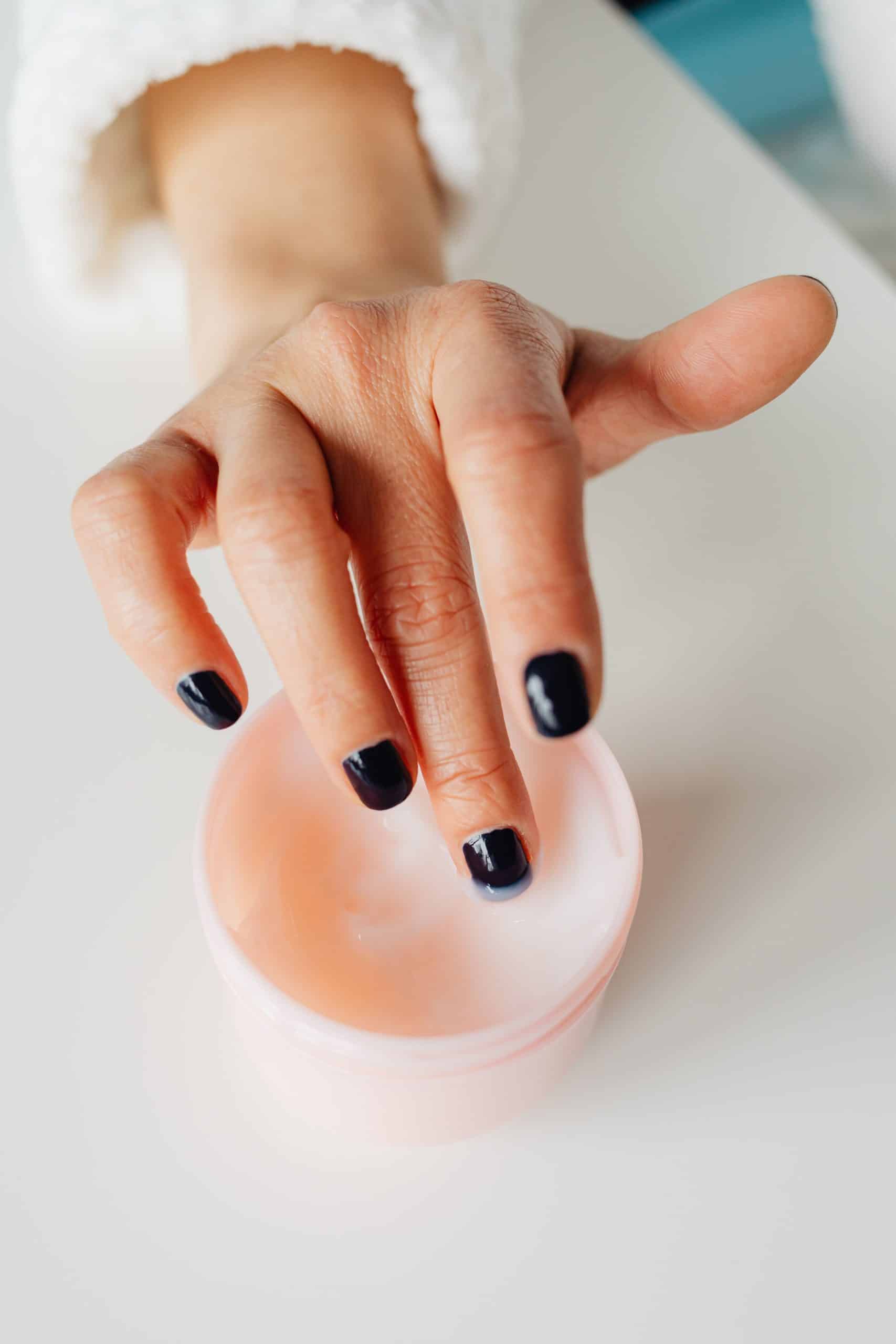
Nails typically look and feel a little dehydrated right after any acetone soak, dip powder included, since acetone strips natural oils along with the product. Cuticle oil applied right after removal and for the next few days helps rehydrate the nail plate and surrounding skin faster. If a nail does come out thin or flexible despite a careful soak-off, giving it a break from any enhancement for a few weeks while it grows out is usually enough to recover, without needing anything more involved than consistent oil and avoiding further picking.
Not sure your set was dip in the first place? Our dip powder nails guide explains how the system is built and why it comes off differently from gel.
Frequently asked questions
How long does it take to remove dip powder nails? Ten to twenty minutes of soaking, depending on how thick the build is and how well the top seal was filed down beforehand.
Can I remove dip powder without acetone? Not effectively. Acetone is what breaks down the bonded layers; alternative methods tend to require much more filing and physical force, which increases the risk of damaging the natural nail.
Is dip powder removal the same as gel or builder gel removal? The general soak-off principle is the same as removing builder gel or removing gel nails, but dip powder’s extra bulk usually means a longer soak time than gel polish specifically. If you’re still deciding between dip powder and acrylic in the first place, our dip powder vs acrylic comparison covers where they differ most on durability and removal.
Why do my nails look thin after removing dip powder? This almost always comes from picking or forcing product off before it’s fully softened, not from the dip powder itself. A patient, properly timed soak-off doesn’t damage healthy nails.
Can I do a dip powder soak-off at home? Yes, with pure acetone, foil, and patience. The steps are the same as what a salon does; the main risk at home is rushing the soak time or picking out of impatience.
Is it safe to use an e-file to remove dip powder at home? Not recommended without training. It’s easy to remove natural nail plate along with the product, and the soak-off method gets the same result more safely without specialized equipment.