Someone messaged our contact form last month asking why her "gel nails" chipped after four days when her friend’s lasted three weeks with what sounded like the exact same service. Turned out she’d had gel polish over her natural nail, a color coating with no structural layer underneath, and her friend had builder gel, which adds thickness and reinforces the nail as it wears. Same word, "gel," used for two products that behave completely differently once you’re a few days in.
What gel polish actually is
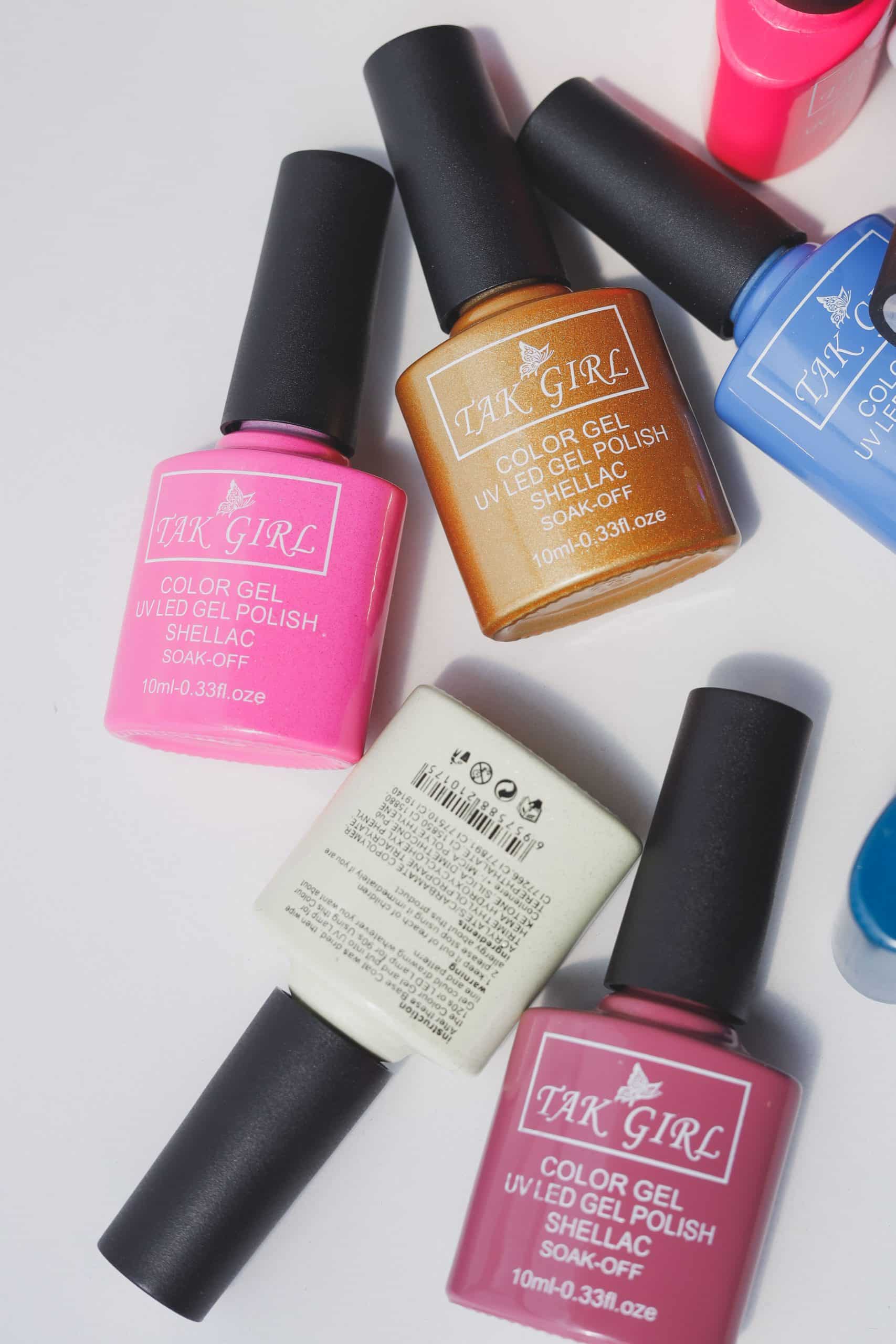
Gel polish is a color coating, similar in concept to regular nail polish, except the resin base cures under UV or LED light instead of air-drying. A standard application runs base coat, one to two coats of color, then a top coat, with each layer cured under the lamp for anywhere from 30 seconds to two minutes depending on the brand and light source. It sits on top of the natural nail as a thin, glossy layer. It doesn’t add length, and it doesn’t add meaningful structural strength, which is the detail that separates it from builder gel.
Builder gel is applied in a thicker layer specifically to add strength and, often, length using a form or tip. It’s a construction product first and a color product second, even though colored builder gels exist. Gel polish is the reverse: a color product first, with essentially no building capability.
Gel polish vs builder gel
| Gel polish | Builder gel | |
|---|---|---|
| Purpose | Color coating | Structure, length, strength |
| Thickness | Thin, a few coats | Thick, sculpted or capped |
| Cure | UV/LED lamp, each layer | UV/LED lamp, each layer |
| Wear time | 1-3 weeks | 3-4 weeks |
| Removal | Soak-off, 10-15 min | Soak-off or file-off, longer |
If someone asks for "gel nails" without specifying, most salons default to gel polish over the natural nail unless the client mentions wanting length or extra durability, in which case a tech will usually suggest builder gel or a hard gel system instead.
How gel polish is applied
Nail prep comes first: shaping, pushing back cuticles, buffing the shine off the nail plate so the base coat has something to grip. A dehydrator or prep solution often goes on next, similar to the step covered in nail prep before gel, since gel polish adhesion depends just as much on a clean, dry nail plate as any thicker gel system does.
Base coat goes on thin and cures under the lamp, usually 30 seconds under LED or up to two minutes under UV, timing varies by brand. Color follows, one coat at a time, each cured before the next goes on. Two coats is standard for full opacity; sheer or jelly finishes sometimes need three. Top coat seals everything and gets its own cure cycle, then a lot of techs wipe away the tacky residue layer with alcohol or a cleanser, which is what gives gel polish its glossy, non-sticky finish.
Why gel polish chips or lifts early
Three causes account for most early failures.
Skipped or rushed prep. If the natural oil layer on the nail plate isn’t fully removed before the base coat goes on, adhesion suffers everywhere, and the first thing to give is usually the tip, where daily contact wears fastest.
Under-cured layers. A lamp that’s aging, has the wrong wattage for the gel brand, or just wasn’t given enough time per coat leaves gel polish that looks finished but hasn’t fully hardened underneath. This shows up as premature peeling, sometimes within two or three days, well short of the two-to-three-week range gel polish should hit.
Water or oil contact too soon after application. Even fully cured gel polish benefits from avoiding heavy water exposure or oil-based products for the first few hours, since the bond is still settling.
Semi-permanent, shellac, gel polish: same thing?
These terms get used almost interchangeably, and the confusion is fair. "Semi-permanent" is the general marketing term for any UV/LED-cured color coating meant to outlast standard polish. "Shellac" is technically a brand name (CND’s product line) that became genericized the way "Kleenex" or "Xerox" did, similar to how people say "gel-x" for soft gel tips regardless of brand. Functionally, shellac and generic gel polish work the same way: color, cured under a lamp, soaked off in acetone. There are small formulation differences between brands in flex, shine, and wear, but the core process is identical.
Removing gel polish safely
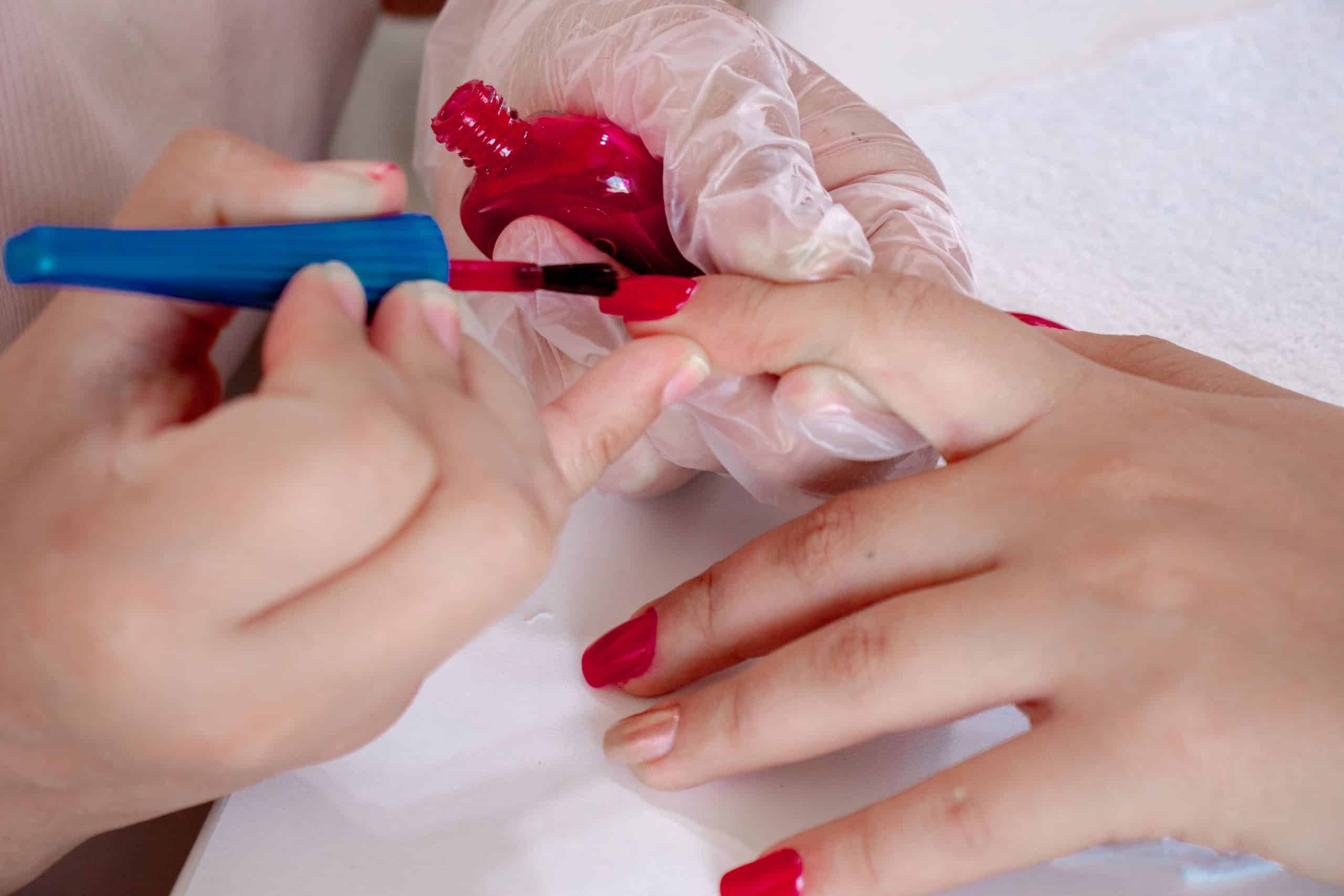
Gel polish soaks off faster than builder gel because there’s less product to dissolve. Filing the shiny top layer to break the seal, wrapping the nail in acetone-soaked cotton with foil, and waiting 10 to 15 minutes gets most gel polish to a point where it lifts away gently with a cuticle stick. Picking or peeling before the product has fully softened is the single biggest cause of thin, damaged-feeling nails after gel polish removal, not the gel itself.
Frequently asked questions
Is gel polish the same as builder gel?
No. Gel polish is a thin color coating with little structural strength. Builder gel is applied thicker to add strength and often length. Both cure under a UV or LED lamp, which is why they get confused.
How long does gel polish last?
One to three weeks is typical, depending on nail growth, how the nails are used day to day, and how well the application was prepped and cured.
Is shellac different from gel polish?
Shellac is a specific brand of gel polish that became a generic term for the category. The application and removal process is the same as other gel polish systems.
Can gel polish damage your nails?
Correctly applied and removed, no. Most nail damage attributed to gel polish actually comes from peeling it off instead of soaking it in acetone.
Does gel polish need a UV lamp specifically, or does LED work?
Most modern gel polish brands are formulated to cure under either, though cure times differ. Always check the brand’s instructions, since some formulas cure poorly or not at all under the wrong light type.