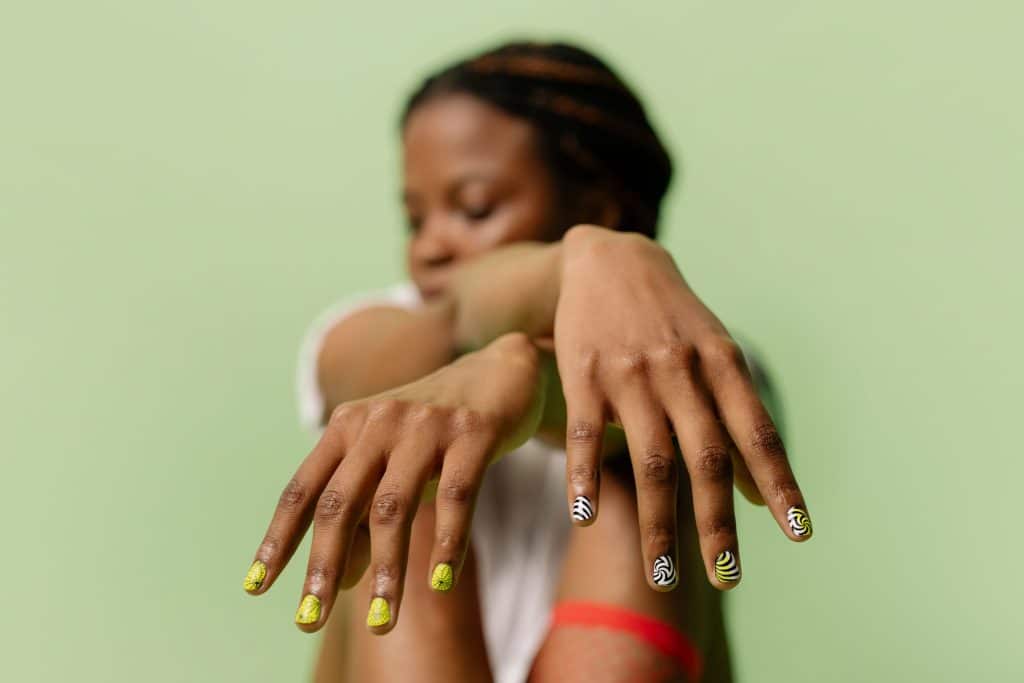
“Is builder gel bad for my natural nails?” comes up in almost every consultation where a client has heard a horror story from a friend, or seen a scary before-and-after post online. It’s a fair question, and the honest answer is more nuanced than a flat yes or no. Builder gel on natural nails can be one of the gentler ways to add strength and length, or it can thin out a nail plate fast, and the difference almost never comes down to the product itself.
This guide walks through what “on natural nails” actually means as opposed to a full sculpted extension, where the real risk sits, and how to keep your nails in good shape if you’re getting fills regularly.
What “builder gel on natural nails” means
There are two very different ways builder gel gets used, and mixing them up is where a lot of the confusion starts. One is an overlay: a thin layer of gel applied straight onto your own nail, with no tip and no added length, mainly there for strength and shine. The other is a full sculpted extension, where the gel is built up over a form to add length beyond your natural nail edge. Both count as “builder gel,” but they put very different amounts of stress on the nail plate underneath. This article is mostly about the overlay case, since that’s what people usually mean when they ask if it’s safe on natural nails.
If you haven’t tried builder gel before and want the full picture of what it is and how it compares to gel polish, hard gel, acrylic and polygel, our what is builder gel guide covers that ground first.
Is it actually safe? The short version
Yes, for most people, when it’s applied and removed correctly. A thin overlay of builder gel doesn’t chemically eat into the nail plate the way some myths suggest. What it does is sit on top of the nail and cure hard under UV or LED light, and the nail underneath keeps growing normally as long as you don’t do anything to strip layers off it that shouldn’t be stripped off.
Where it goes wrong is almost always in three places: skipping or overdoing the prep, filing too aggressively when shaping or removing, and peeling the gel off instead of soaking or filing it down properly. None of those are problems with the gel itself. They’re technique problems, which is good news, because technique is something you or your tech can actually fix.
What actually thins out the nail plate
Over-buffing during prep
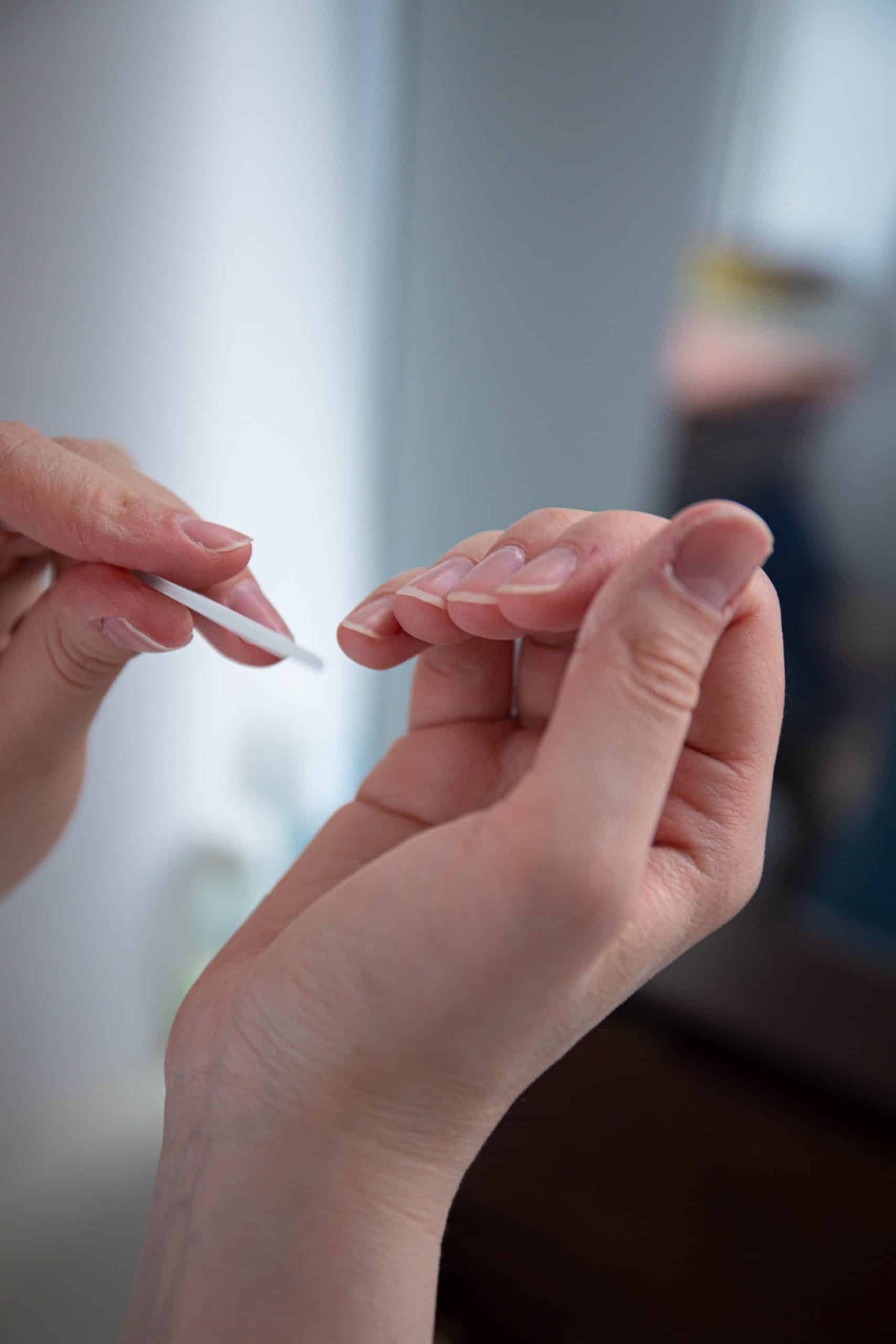
Builder gel needs some texture to grip onto, so the nail gets lightly buffed before application. Light means light. I’ve seen techs (and plenty of people prepping their own nails at home) buff straight through the shiny top layer and keep going, which thins the plate before the gel even goes on. One or two passes with a fine-grit buffer is enough. If you can still see a bit of natural shine, you’ve buffed enough.
Peeling or picking instead of soaking off
This is the single biggest cause of nail damage people blame on builder gel. When you peel cured gel off, it doesn’t come away clean. It pulls layers of the natural nail’s surface with it, because the gel is bonded more strongly to those top layers than those layers are bonded to each other. The nail underneath ends up rough, thin and sometimes painfully sensitive. Removal should always be filing down the bulk of the product, then soaking off what’s left with acetone, not picking at a lifted edge until the whole thing comes off in one satisfying (and destructive) piece.
Filing at removal, not just at application
A rushed removal often means heavier filing to get through the product fast, and it’s easy to go past the gel and start thinning the nail plate itself, especially near the free edge. A slower soak with foil wraps or a soak-off bowl needs less aggressive filing overall, which is better for the nail even if it takes a few extra minutes.
For a full walkthrough of a proper application from prep to top coat, see our how to apply builder gel guide. Getting the application right is half of what keeps removal gentle later.
Signs your nails aren’t handling it well
A few things are worth paying attention to between fills:
- Nails feel noticeably thinner or more flexible right after a soak-off compared to before you started wearing gel.
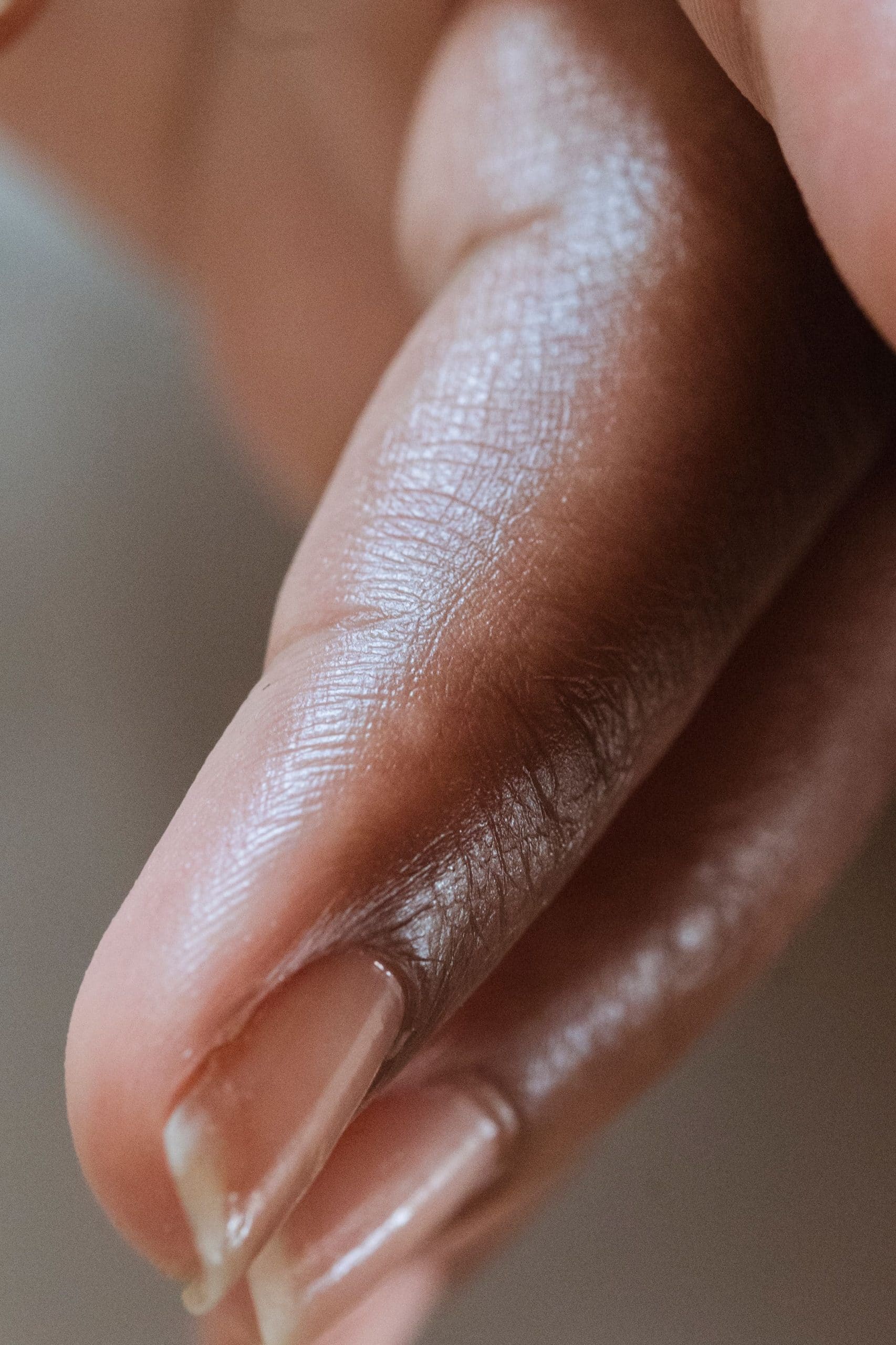
- White, chalky patches on the nail surface after removal, which usually means the plate itself got filed into, not just the product.
- Gel lifting earlier than it used to, which can point to prep or filing issues rather than the product suddenly stopping working. We cover the common causes in our guide on why gel nails lift.
- Persistent redness, swelling or tenderness around the cuticle, which isn’t a normal reaction to gel and is worth having a dermatologist look at rather than continuing on your usual schedule.
If you notice the first three, the fix is usually a technique adjustment at your next appointment: lighter buffing, gentler filing, a proper soak instead of a quick peel. If it’s the fourth, that’s a question for a medical professional, not a nail forum.
Do your nails need a break?
There’s no universal rule that says you must skip a fill every so often, but if you’re noticing any of the thinning signs above, giving the nail plate a few weeks bare (or with just a strengthening base coat) lets it recover before the next round. Most nail plates fully replace themselves roughly every four to six months, so damage from a rough patch of removals isn’t permanent. It just needs time and a change in technique to grow out.
If you’re already dealing with nails that are thin, brittle or damaged from something unrelated to gel, it’s worth mentioning that to your tech before your next fill. Going thinner on the overlay and spacing out fills a bit more is a small adjustment that makes a real difference.
FAQ
Does builder gel weaken your natural nails over time?
Not on its own. Repeated cycles of aggressive filing or peeling off product can thin the nail plate over time, but a well-applied and properly removed overlay doesn’t chemically weaken the nail underneath.
Can I put builder gel on very thin or damaged nails?
Often yes, applied thin and with a longer gap between fills, since a light overlay can actually add protection while the nail recovers. If nails are severely damaged, cracked, or you notice signs of infection, check with a dermatologist before adding any product on top.
How do I remove builder gel without hurting my nails?
File down the bulk of the product first, then soak the rest off with acetone using foil wraps or a soak-off bowl rather than prying or peeling it away.
Is builder gel safer than acrylic for natural nails?
Both can be applied and removed safely, and both can cause damage with poor technique. Builder gel tends to need slightly less aggressive filing at removal, which is why a lot of techs consider it the gentler default, but the deciding factor is still how carefully it’s applied and taken off.
How often should I take a break between builder gel fills?
There’s no fixed number, but watch for thinning, chalky patches after removal, or earlier lifting than usual. If any of those show up, a few weeks bare gives the nail plate time to recover before your next set.
Will builder gel help nails grow faster?
No, it doesn’t affect growth rate. What it can do is protect nails from everyday breakage while they grow, which makes it look like faster growth when it’s really just fewer snapped nails along the way.
Can I do builder gel on natural nails myself at home?
Yes, with the right prep and a UV or LED lamp. Our how to apply builder gel guide walks through the full process step by step, including the parts people tend to rush.