
Someone always asks this after a bad soak-off: nails come out thin, they bend a little more than usual, and the assumption is that the gel did it. Usually it didn’t. Gel itself, cured properly and removed properly, doesn’t damage a healthy nail plate. Almost every case of “gel nails damage” a nail tech actually sees traces back to something that happened around the gel, not the gel itself.
This guide covers what really causes damage, what’s just normal short-term dehydration, how long recovery takes, and what changes to make if you get gel regularly and want to keep your nails in good shape long term.
The short answer
No, not on its own. A gel manicure applied with proper prep, cured fully, and removed by soaking rather than prying doesn’t weaken the nail plate underneath. The damage people blame on gel almost always comes from one of a handful of specific mistakes: over-filing during prep, peeling gel off dry, or going straight from one full set into the next without ever letting the nail rest.
That said, gel nails damage is real when those mistakes happen, and they happen often enough that it’s worth knowing exactly what to watch for. Damage is also a separate question from why a set lifts or fails early, which is usually a prep or cure problem rather than anything to do with the nail plate’s health.
What actually causes gel nails damage
Filing too aggressively during prep
Gel needs the shine buffed off the nail plate to bond well, but there’s a difference between removing shine and thinning the nail itself. Some techs, especially when rushed, buff past the point of dulling the surface and start taking real thickness off the plate with every set, often because the bit itself, not just the technique, is too coarse for natural nail work in the first place. Do that every two to three weeks for a year and the nail underneath is measurably thinner than it started, more prone to bending and splitting even with no gel on it at all.
Peeling or picking gel off instead of soaking it
This is the single biggest cause of what people call gel damage, and it’s not close. Gel bonds to the outer layer of the nail plate. Soaked off correctly, only that bonded layer lifts away. Peeled off dry, whatever layer of nail is stuck to the gel comes with it. A proper soak-off takes ten to twenty-five minutes depending on the product. Picking at a lifted edge for two weeks and eventually ripping the rest off in the shower takes thirty seconds and does more damage than a dozen soak-offs combined.
Back-to-back sets with no break
A single set, applied and removed correctly, isn’t damaging. A nail that goes from soak-off straight into a fresh set every two to three weeks for months, with the plate never fully rehydrating in between, tends to end up thinner and more brittle over time even when every individual removal was done right. The nail plate needs a little recovery time the same way skin does after repeated exposure to any solvent.
Allergic reactions to the product itself
Less common, but real: some people develop a sensitivity to the acrylate compounds in gel systems, usually after repeated exposure over months or years. It shows up as redness, swelling, or itching around the nail fold, sometimes spreading to the fingertips, and it doesn’t go away by switching brands within the same chemical family. This isn’t the nail plate being damaged, it’s a skin reaction, and it needs a dermatologist rather than a different gel.
What about the UV lamp
The other question that comes up alongside gel nails damage is whether the curing lamp itself is doing something harmful, since it’s UV light on skin. Dermatologists have looked into this, and the consensus is that the risk from occasional manicures is low. Cleveland Clinic dermatologist Dr. Melissa Piliang describes it as “a very, very small risk” for someone getting gel every few months, though she notes weekly visits with repeated ten-minute exposures are a different story. MD Anderson’s Dr. Saira George points to a 2014 study showing a single salon visit carries low risk, with the real open question being cumulative exposure for people who’ve had gel done monthly since their teens.
The practical takeaway from both: apply sunscreen to your hands before the appointment, not after, since washing removes it. Fingerless gloves that leave just the nail exposed cut UV exposure to the rest of the hand. If you’re getting gel weekly or more, or you have fair skin or a personal history of skin cancer, this is worth being more deliberate about than someone getting a set every couple of months.
Damage vs normal dehydration: how to tell the difference
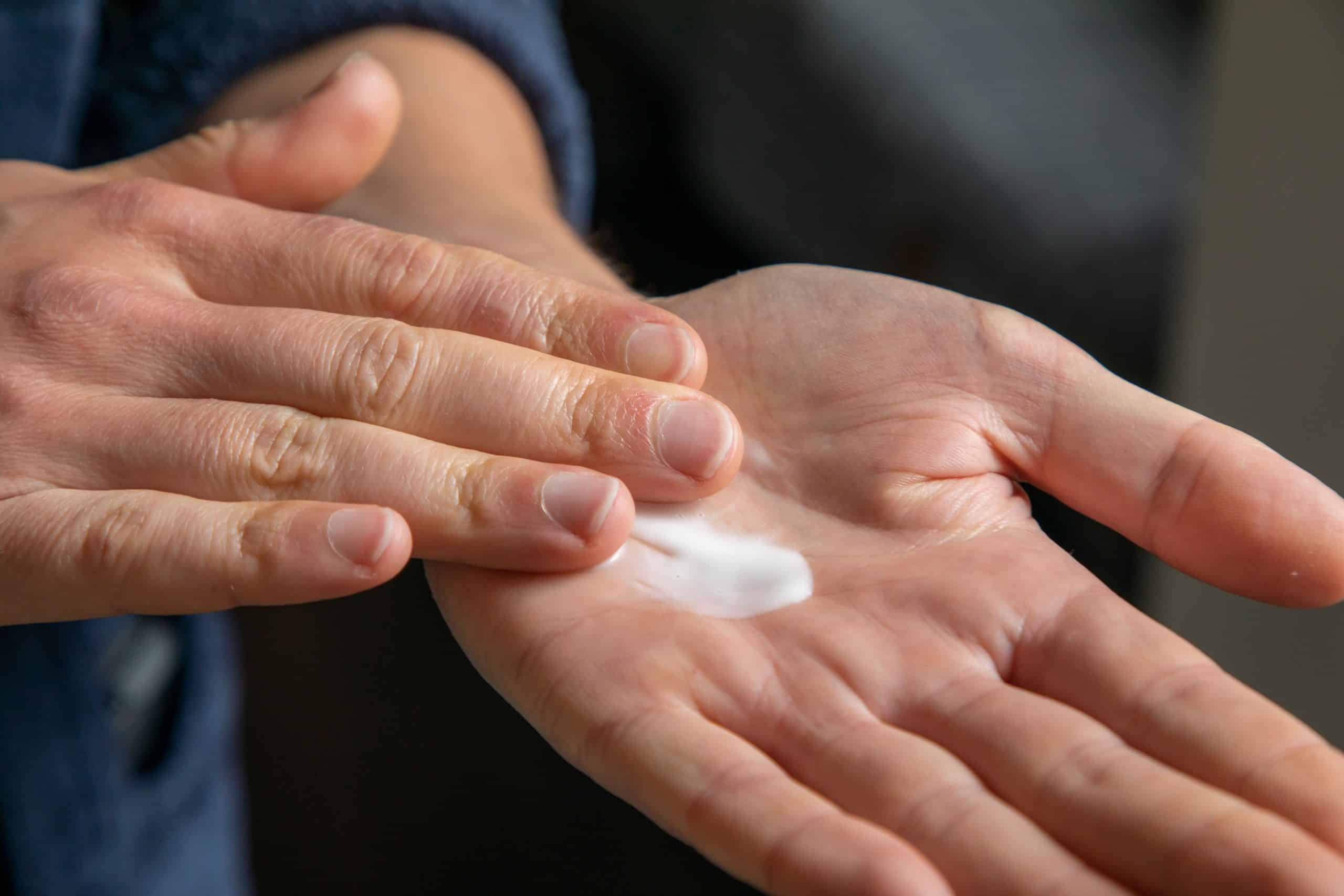
Nails almost always look and feel a little rough right after a soak-off. They can appear thinner, feel slightly flexible, and look chalky or ridged. That’s dehydration from the acetone, not damage, and it’s the same for everyone regardless of how carefully the gel was applied or removed.
Actual damage looks different and lasts longer. Watch for peeling in visible layers rather than just a rough texture, white or yellow patches that don’t buff out, nails that stay noticeably thin and bendy for more than a week after removal, or any pain, swelling, or redness around the nail fold. Dehydration resolves in a day or two with cuticle oil. Real damage doesn’t, and it’s worth a break from gel, or a dermatologist visit if there’s any redness or swelling involved, rather than covering it with another set.
How long recovery takes
For ordinary post-removal dehydration, one to two days of regular cuticle oil use is usually enough to get the nail feeling normal again. For a nail that’s been genuinely thinned by over-filing or repeated peeling, full recovery to normal thickness takes closer to the length of a full nail growth cycle, roughly four to six months for a fingernail to grow out completely from the base. That doesn’t mean four to six months of visibly bad nails, just that the specific damaged section has to grow past the free edge and get trimmed off before the nail is fully back to its original state.
Is builder gel harder on nails than gel polish
Not inherently, but the removal stakes are higher. Builder gel is thicker and more structural than gel polish, which means removing it takes longer, usually fifteen to twenty-five minutes of soaking, and requires filing through more product before the acetone can get underneath. That longer, more involved removal process gives more opportunity for a rushed or impatient removal to cause damage, not because builder gel itself is worse for the nail, but because there’s more of it to take off cleanly.
How to get gel regularly without damaging your nails
Ask whoever does your nails to buff lightly, just enough to dull the shine, not to visibly thin the plate. Always soak off rather than pick, even when a nail is already lifting and it’s tempting to just pull the loose piece free. Build in a short break, even just a few days, between removal and the next set every couple of cycles rather than going straight from one to the next indefinitely. Keep cuticle oil in daily rotation, not just after removal, since a well-oiled nail plate handles the whole cycle better. And if a set is applied properly, don’t rush the soak-off out of impatience. The extra ten minutes of waiting is what keeps the nail underneath intact.
Frequently asked questions
Do gel nails weaken your natural nails permanently?
Not from correct application and removal alone. Permanent thinning comes from repeated over-filing during prep or repeated peeling instead of soaking, done over many cycles. A nail plate that’s been treated well through several sets in a row doesn’t show lasting weakness once gel stops.
Is it bad to get gel nails every month?
Monthly gel, applied and removed correctly with even a short gap between sets, isn’t damaging on its own. The risk goes up with shorter intervals and no breaks, since the nail plate has less time to rehydrate between removals.
How can I tell if my nails are damaged from gel or just dehydrated?
Dehydration is a rough, chalky texture that clears up within a day or two of cuticle oil. Damage is peeling in visible layers, patches that don’t buff out, or thinness and bending that’s still there after a week. Pain, swelling, or redness at the nail fold points to a skin reaction rather than plain dehydration and is worth a dermatologist visit.
Do gel nails damage your cuticles?
Properly kept a slight margin away from the cuticle, gel doesn’t damage it. Cuticles get irritated when gel is applied too close and cured onto the skin, or when cuticle tissue is cut too aggressively during prep rather than gently pushed back.
Should I take a break from gel nails to let them recover?
A short break, even a few days between sets, helps the nail plate rehydrate and is a reasonable habit if you get gel back to back for months. If nails are actually damaged rather than just dehydrated, a longer break, closer to a full growth cycle, gives the nail time to grow out past the affected section.
Does the UV lamp used to cure gel damage your skin?
Dermatologists consider the risk from occasional gel manicures low, since it takes repeated exposure over time to matter. Sunscreen applied before the appointment and fingerless gloves during curing reduce UV exposure to the hands, and both are worth doing if you get gel weekly or have fair skin.
Does builder gel damage nails more than regular gel polish?
Not inherently. Builder gel takes longer to remove because it’s thicker, and that longer removal process is where damage risk goes up if it’s rushed. Applied and removed with the same care, builder gel isn’t harder on the nail plate than gel polish.