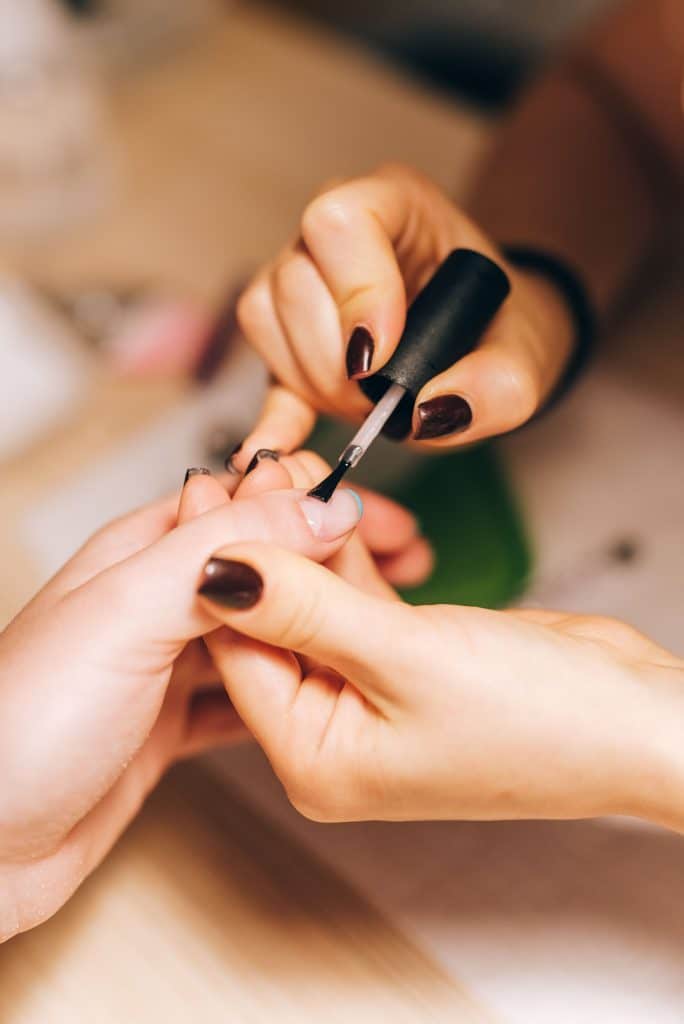
If you’ve spent five minutes in a nail forum lately, or scrolled past the wrong TikTok, you’ve seen the term “builder gel” everywhere. It’s the product behind a lot of the strong, glossy, natural-looking extensions people are wearing right now: no tips needed for some looks, no acrylic smell in the salon, and, when it’s applied correctly, noticeably less stress on the natural nail underneath.
This guide covers what builder gel actually is, how it’s different from the other gel products sitting next to it on the shelf, and what to expect the first time you try it. I’ll talk to both sides here: the client trying to figure out what to ask for before a salon visit, and the tech thinking about adding it to a service menu.
What is builder gel, exactly?
Builder gel is a thick, self-leveling UV/LED gel used to add structure, length, and strength to natural nails, or to sculpt a full extension over a form or tip. A standard gel polish is thin and only adds color and shine. Builder gel has body to it. You can sculpt it, tap it into place with a brush, and it holds its shape while it’s still uncured, which is exactly what lets a tech build an arch or add length without a tip underneath.
The name is pretty literal: it “builds” the nail plate up rather than just coating it. You’ll also see it marketed as builder gel, gel de construction, structure gel, BIAB (builder in a bottle), or, on some brand lines, hard gel. The terminology shifts by brand, but the job it does stays the same. See our comparison of builder gel brands for how the major names actually differ.
Chemically, it’s a photoinitiated resin. It stays soft and workable in normal light, then cures, meaning it hardens permanently, once it hits UV or LED light at the wavelength the formula needs. That’s the main thing separating it from acrylic, which cures through a chemical reaction with liquid monomer rather than light.
What builder gel is used for
A few situations where it comes up constantly in the chair:
- Weak or thin natural nails that need reinforcement without a full extension.
- Adding length by sculpting the gel over a dual form or a soft or hard gel tip.
- Evening out an uneven nail plate so the finished look sits flat instead of curving off to one side.
- Overlaying as a chip-resistant top layer that outlasts gel polish on its own.
I usually describe it to clients as sitting between “just gel polish” and “full acrylic extensions.” It has enough strength and length capability to replace acrylic for a lot of people, without the odor, the dust, or quite as much filing at removal.
Builder gel vs. other gel products
This is where most beginners get stuck, because shelf labels don’t always make the differences obvious.
Builder gel vs. gel polish
Gel polish is a thin, colored coating with almost no structural strength on its own, and it can’t add length. It’s meant to sit on top of the nail, whether natural or already extended, purely for color and shine. Builder gel is thicker, usually clear, pink, or milky, and it’s the structural layer underneath. A lot of services use both together: builder gel to shape and strengthen, gel polish on top for color. For the full rundown on what that thin colored layer actually is, see our guide to gel polish.
Builder gel vs. hard gel
“Hard gel” often just means builder gel by another name. On some brand shelves, though, it points to a firmer-viscosity gel meant specifically for sculpting extensions, while “builder gel” means a softer, more self-leveling version meant for overlays and strengthening. That line has blurred a lot over the years. Your safest bet is checking the actual viscosity and intended use printed on the label rather than assuming from the name. We’ve written a full builder gel vs hard gel comparison if you want the details.
Builder gel vs. acrylic
Acrylic is a powder-and-liquid system that cures through a room-temperature chemical reaction. Builder gel is pre-mixed and cures under UV or LED light instead. Acrylic still tends to win on raw strength for very long extensions, and it has that distinct salon odor during application that builder gel doesn’t. Builder gel has closed most of that strength gap in recent years, and I’d say the majority of clients prefer it anyway, for the lighter feel and the gentler removal.
Builder gel vs. polygel
Polygel is a hybrid: thicker than builder gel, closer to a putty, applied with a spatula or brush and then shaped by hand before curing. It sits somewhere between acrylic and builder gel in how it handles. If you want more time to sculpt by hand, look at polygel nails as an option. If you’d rather work with something smoother and more self-leveling, builder gel is the easier starting point.

How builder gel is applied
The full process varies by brand and by whether you’re doing an overlay or a full extension, but the core steps hold up across most of them.
First, prep the natural nail: push back cuticles, lightly buff the plate to knock off the shine, then clean it with a nail dehydrator or prep solution so the gel actually has something to grip. Next, apply a bonding primer or base coat and cure it per the product’s instructions.
If you’d rather start from a ready-made kit than buy each piece separately, our guide to choosing a gel nail kit covers what a complete kit should include and where cheaper ones cut corners.
Then comes the builder gel itself, applied in thin layers, either straight onto the natural nail or over a form or tip if you’re adding length. Each layer gets shaped with a brush before it goes under the lamp. Cure times vary a fair amount by product; most LED lamps run somewhere around 30 to 60 seconds per layer, and UV lamps take longer. Don’t guess on this one, just follow whatever the specific product says, since formulas differ more than people expect.
Once it’s cured, shape and refine with a file, checking the arch and the side profile as you go. Finish with a top coat, cure again, then cleanse off the tacky layer.
If you’re trying this yourself for the first time, budget more time than a salon visit would take, and expect the area around the cuticle to feel fiddly. That part gets faster with practice, in my experience faster than people expect. We cover the full process in our how to apply builder gel guide. If you’re weighing whether that first DIY attempt is worth it compared to a salon set, our DIY gel nails at home guide breaks down the real cost and time trade-off.
How long does builder gel last?
With decent application and normal wear, a builder gel manicure usually holds for three to four weeks before it needs a fill or removal. Lifting at the edges is the most common sign it’s time, and that’s not really a failure of the product, just normal nail growth pushing it away from the cuticle. We go into what shortens or extends that window in our how long do builder gel nails last guide.
Is builder gel safe for natural nails?
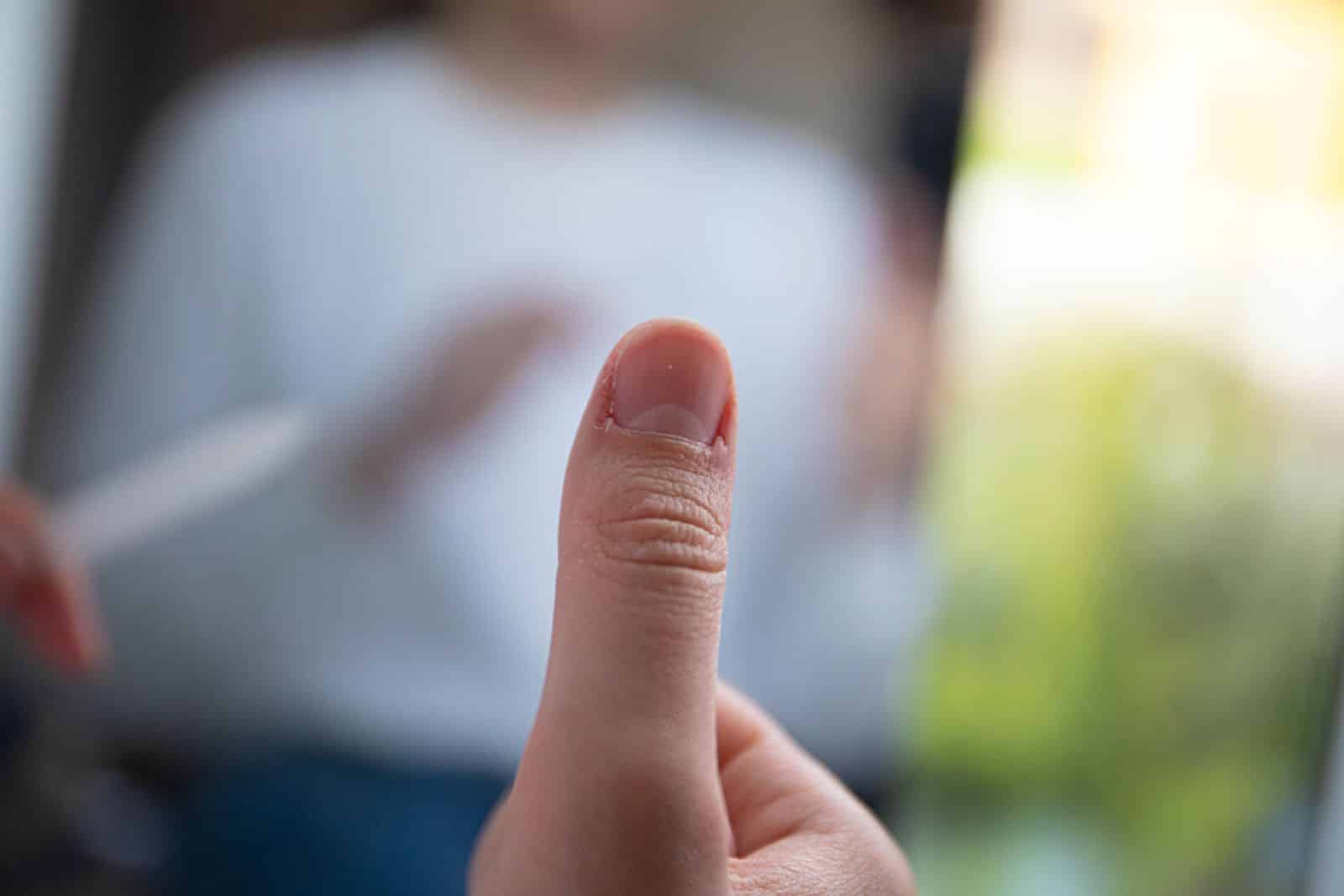
Used correctly, it’s one of the gentler options for adding strength or length. The gel itself doesn’t damage the nail plate. Most of the damage people blame on gel systems, builder gel included, actually comes from bad removal, peeling it off instead of soaking or filing it down, or from over-filing during application. Soak it off or file it down gently rather than prying at it, and the nail underneath stays in much better shape. If you’re extending over nails that are already weak or damaged, it’s worth talking to your tech about going thinner and taking breaks between fills. We go into this in more depth, including the signs your nails need a break, in our guide on builder gel on natural nails.
FAQ
Is builder gel the same as gel-X?
No. Gel-X is a specific brand of soft-gel tip system, applied with builder gel or a similar gel adhesive over a pre-shaped tip. Builder gel is the structural product; Gel-X is one method of using it. See our full builder gel vs Gel-X comparison for the details.
Can I apply builder gel without a UV or LED lamp?
No. It’s a photoinitiated product, so it only hardens under UV or LED light at the right wavelength. Without a lamp it just stays soft, indefinitely. See our guide to the best UV lamp for builder gel for what to look for.
Does builder gel ruin your natural nails?
Not on its own. The damage people run into usually comes from incorrect removal, like peeling or picking, or from aggressive filing, not from the product itself when it’s applied and removed properly.
How is builder gel removed?
Most builder gels come off by filing down the bulk of the product first, then soaking in acetone to loosen what’s left. It’s similar to gel polish removal, just with more filing up front because of the thickness. See our full how to remove builder gel guide for the step-by-step method.
Is builder gel stronger than acrylic?
For most everyday-length extensions, modern builder gel formulas hold up about the same as acrylic. For very long or dramatic extensions, acrylic still has an edge in raw strength for a lot of techs.