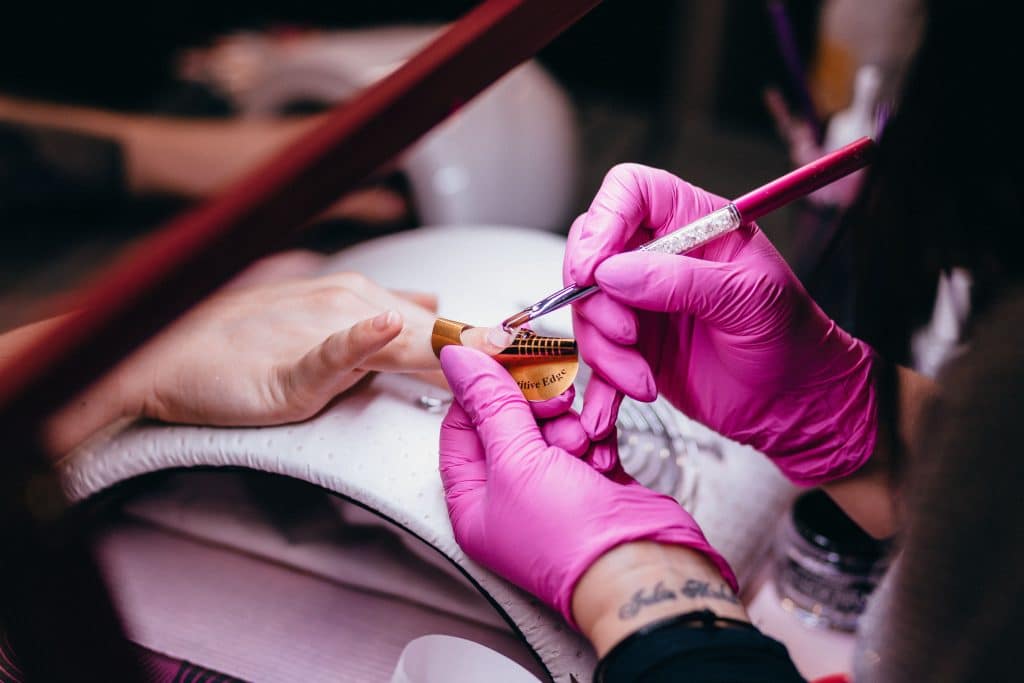
“How long do builder gel nails last?” is one of the first questions people ask before booking a set, and the honest answer is a range rather than a fixed number. Most builder gel sets hold up well for three to four weeks, with some clients stretching a set to six weeks and others needing a fill closer to the two-week mark. The gel itself is durable. What varies is everything around it.
This guide breaks down the realistic range, the factors that actually move that number up or down, and how to tell whether you need a simple fill or a full soak-off and reset.
The honest range: three to four weeks on average
A properly applied and fully cured builder gel set typically lasts three to four weeks before it needs attention. That is the average, not a guarantee. Some sets go five or six weeks and still look clean, mostly on clients with slow nail growth and low-impact daily routines. Others start showing gap at the cuticle by week two, usually because of fast growth, a job that is hard on the hands, or a small issue with how the gel was applied or cured in the first place.
If you are new to builder gel and want the full picture before your first appointment, our what is builder gel guide covers what it is and how it compares to other systems. If you already have a set and are trying to plan when to book your next appointment, use three to four weeks as your default and adjust from there based on how your nails have behaved before.

What actually determines how long your set lasts
Application quality and a full cure
A set that was applied in thin, even layers and cured all the way through under a proper lamp will simply outlast one that was rushed. Gel that is not fully cured stays slightly soft under the surface, and that soft layer is where chips and lifting start. Our how to apply builder gel guide walks through the layering and curing steps that make the biggest difference, and our guide to choosing a UV lamp covers why lamp wattage and bulb age affect cure quality more than most people expect.
How fast your nails grow
Nail growth speed is mostly genetic, and it is not something a fill schedule can change. Someone whose nails grow quickly will see more gap at the cuticle by week three than someone whose nails grow slowly, even with an identical application. This is the single biggest reason two people can get the same set from the same technician and need very different fill schedules.
Daily activities and hand use
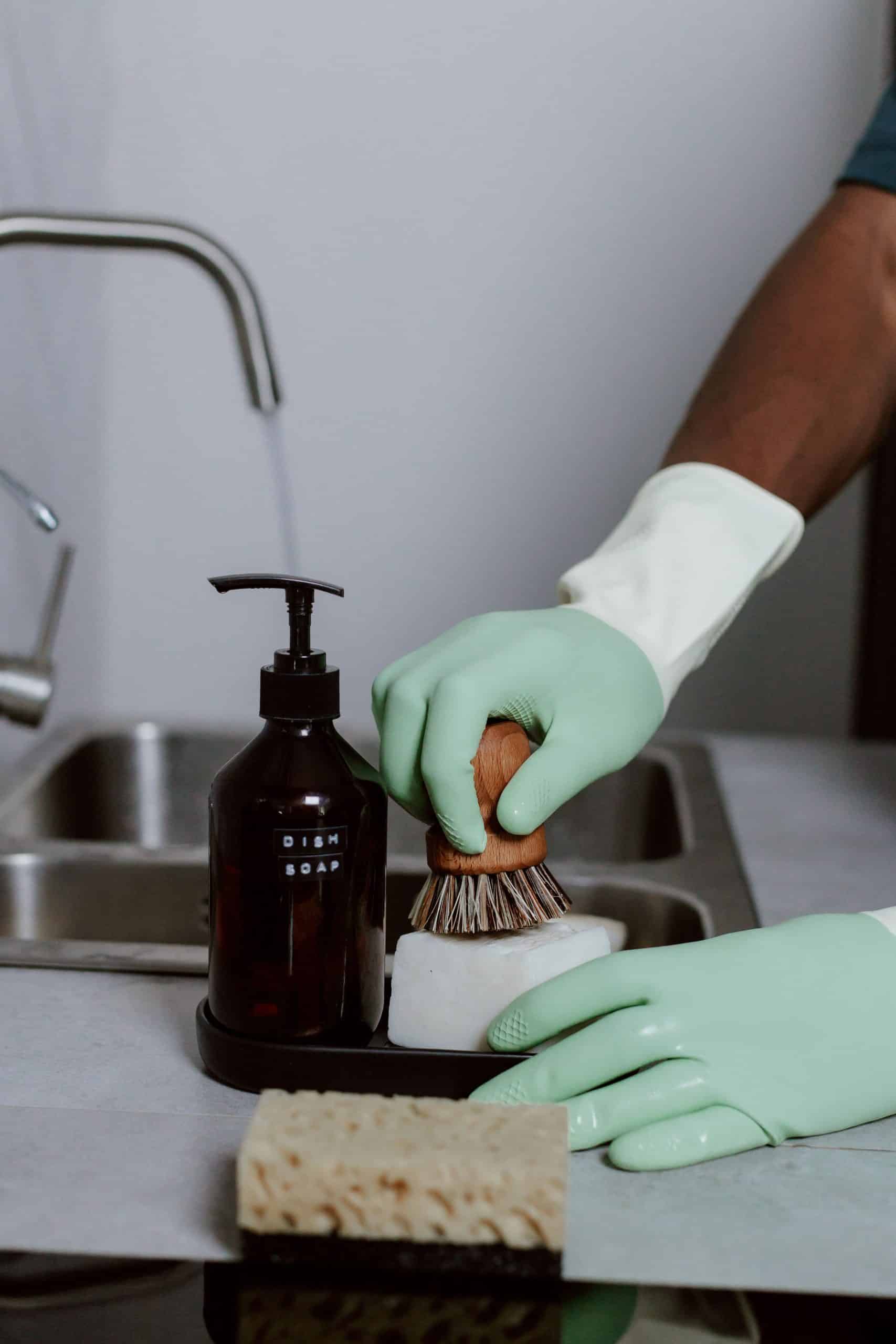
Frequent hand washing, dish work, gardening, gym sessions, or any job that involves gripping tools all put mechanical stress on a set. None of that damages a well-cured gel outright, but it speeds up the small edge chips and lifting that eventually call for a fill. Gloves for cleaning and dish washing are a small habit that noticeably extends wear time.
Cuticle care between fills
Keeping the skin around the nail hydrated helps the seal at the cuticle line stay intact longer. Daily cuticle oil is the easiest habit here, though timing matters: oil applied right before a fill can interfere with adhesion at the appointment itself, so save the heavier application for the days between visits rather than the morning of. Our cuticle oil guide covers the routine and the timing in more detail.
Structural durability vs. how the set looks
It helps to separate two different things that both get lumped into “how long does builder gel last.” One is structural: is the gel still bonded to the nail, free of cracks, and doing its job. The other is cosmetic: does the set still look tidy, with no visible gap at the cuticle and no overgrown free edge. A set can be structurally sound at three weeks while looking like it needs a fill, because the nail has grown out from underneath even though the gel itself is holding up fine. That gap is not damage. It is just growth, and it is the main reason fills exist in the first place.
Fill or full removal: how to tell which one you need
A fill makes sense when the gel itself is still in good shape and the only issue is regrowth at the base. A full soak-off and fresh set makes more sense when the gel has visible cracks across multiple nails, when lifting has crept in from the edges rather than just the cuticle line, or when the set has already been filled two or three times and is starting to feel thick or uneven. Most technicians recommend a full reset every two to three fill cycles even if nothing looks obviously wrong, since product does build up in thickness over repeated fills.
Tips to make a set last longer
- Wear gloves for dishes, cleaning, and gardening, since water and chemicals are hard on the seal at the cuticle line.
- Apply cuticle oil daily, but not right before a fill appointment.
- Use your nails to open things as little as possible. Prying and scraping are the fastest way to chip an edge.
- Book fills on a schedule that matches your own growth rate rather than a generic three-week default, once you know how your nails typically behave.
- Mention any early lifting or chipping to your technician at your next visit. It is often a quick fix to the application routine rather than something wrong with the product.
When short wear time is more than bad luck
Occasional early lifting happens to almost everyone at some point. It becomes worth a closer look when it repeats set after set, in the same spot, regardless of who applied it. That pattern usually points to a prep or cure issue rather than random chance, and our guide on why gel nails lift walks through the most common causes and fixes. If you are also noticing ongoing redness, swelling, or tenderness around the nail that does not track with a normal reaction to product, that is a question for a dermatologist rather than a nail forum, since it falls outside what any at-home fix or technique change can address.
If you are still weighing builder gel against acrylic for durability, our gel vs. acrylic comparison breaks down how the two systems actually differ in wear time and maintenance. And if you are just getting started, our beginner’s guide to your first set is a good next stop.
FAQ
How long do builder gel nails last on average?
Most sets last three to four weeks before needing a fill, though the range runs anywhere from two to six weeks depending on nail growth speed, how the set was applied, and daily hand use.
Why did my builder gel only last two weeks?
Fast nail growth is the most common reason, but a set that lifts early and repeatedly, rather than just showing cuticle gap, may point to an application or cure issue worth mentioning to your technician.
Does builder gel last longer than regular gel polish?
Yes, generally. Regular gel polish is a thin color coat that typically lasts one to two weeks, while builder gel is a thicker structural layer built to hold up for three to four weeks or more.
Is it bad if I need a fill after only two weeks?
Not necessarily. Nail growth speed varies a lot from person to person, and someone with fast-growing nails may reasonably need a fill sooner than the three to four week average.
How many times can I fill a builder gel set before starting over?
Most technicians suggest a full soak-off and fresh set every two to three fills, since product thickness builds up over repeated fills even when nothing looks obviously wrong.
Does cuticle oil actually help builder gel last longer?
It helps indirectly by keeping the skin at the cuticle line healthy and flexible, which supports a cleaner seal. Just avoid applying it right before a fill appointment, since it can interfere with adhesion.
What is the difference between a fill and a full new set?
A fill addresses regrowth at the base while the existing gel is still sound. A full new set means soaking off everything and starting fresh, which makes sense once the gel shows cracks, edge lifting, or noticeable thickness from repeated fills.