A client sits down, points at a photo, and says “I want Gel-X.” Ten minutes later she’s asking whether that’s the same as the builder gel her last salon used. It’s a fair question, because the two terms get thrown around like they’re rivals when the truth is messier: Gel-X is a specific tip-based system, and builder gel is often one of the ingredients inside it.
This guide untangles builder gel vs gel x properly: what each one actually is, how the application methods differ, what the finished set looks and feels like, how they hold up and come off, and which one makes more sense depending on your nail shape, your budget, and how much time you or your tech have in the chair.
What builder gel actually is
Builder gel is a thick, self-leveling UV/LED gel used to add structure, length, and strength to the nail. It can be applied straight onto the natural nail as a strengthening overlay, or sculpted over a form to build a full extension with no separate tip involved. It cures under a lamp and holds its shape while a tech works it with a brush, which is what lets a full length get built freehand. We cover the product in more depth in our guide to what builder gel is if you want the basics first.
What Gel-X actually is
Gel-X is a soft gel tip extension system, originally a branded product line, though the term now gets used loosely for similar pre-shaped tip systems from other brands too. Instead of sculpting length by hand, the tech glues a pre-curved, pre-shaped soft gel tip onto the natural nail with a bonding gel, blends the seam, then seals the whole nail with a thin layer of builder gel or a comparable structural gel and cures it under a lamp.
That last step is the part people miss: a Gel-X set almost always includes a layer of builder gel. The two aren’t separate categories competing for the same job. Builder gel is a product; Gel-X is one specific method of using a product like it, built around a pre-formed tip instead of a hand-sculpted shape. Both are gel nail extensions at the core, just built two different ways — if acrylic or polygel are still on the table too, our guide to choosing a nail extension system covers the wider field.
The real difference: sculpted shape vs pre-shaped tip
Once you get past the branding, the comparison that actually matters is sculpted versus pre-shaped.
With builder gel alone, the tech shapes the apex, the curve, and the length by hand, either directly on the natural nail or over a form. Every nail can be built to match the width and curvature of that specific nail bed. It takes more skill and more time per nail, but it adapts to unusual nail shapes, bitten-down beds, or asymmetry between hands in a way a fixed tip can’t.
With Gel-X, the shape already exists in the tip. The tech picks the closest size from a kit, trims and files it to fit the nail bed, and the apex is largely already built into the tip itself. That takes less hand-shaping skill to get a consistent result across ten nails, but it depends on the tech having the right size on hand and filing it down correctly rather than sculpting it from scratch. The application steps for the gel layer itself follow the same logic as any other builder gel set, which we walk through in our how to apply builder gel guide.
Application time and chair experience
For a tech who already has a full tip wall stocked and sized, Gel-X sets usually move faster once they’ve done a few, since less of the appointment is spent hand-building the shape. A sculpted builder gel set takes longer per nail because the tech is forming the arch layer by layer under the lamp instead of gluing a pre-made piece on. Both still need a full cure cycle per layer, and cure time comes down to the specific product and the lamp being used, which is worth checking against our guide to choosing a UV nail lamp if you’re setting up a kit from scratch.
Look, feel, and weight
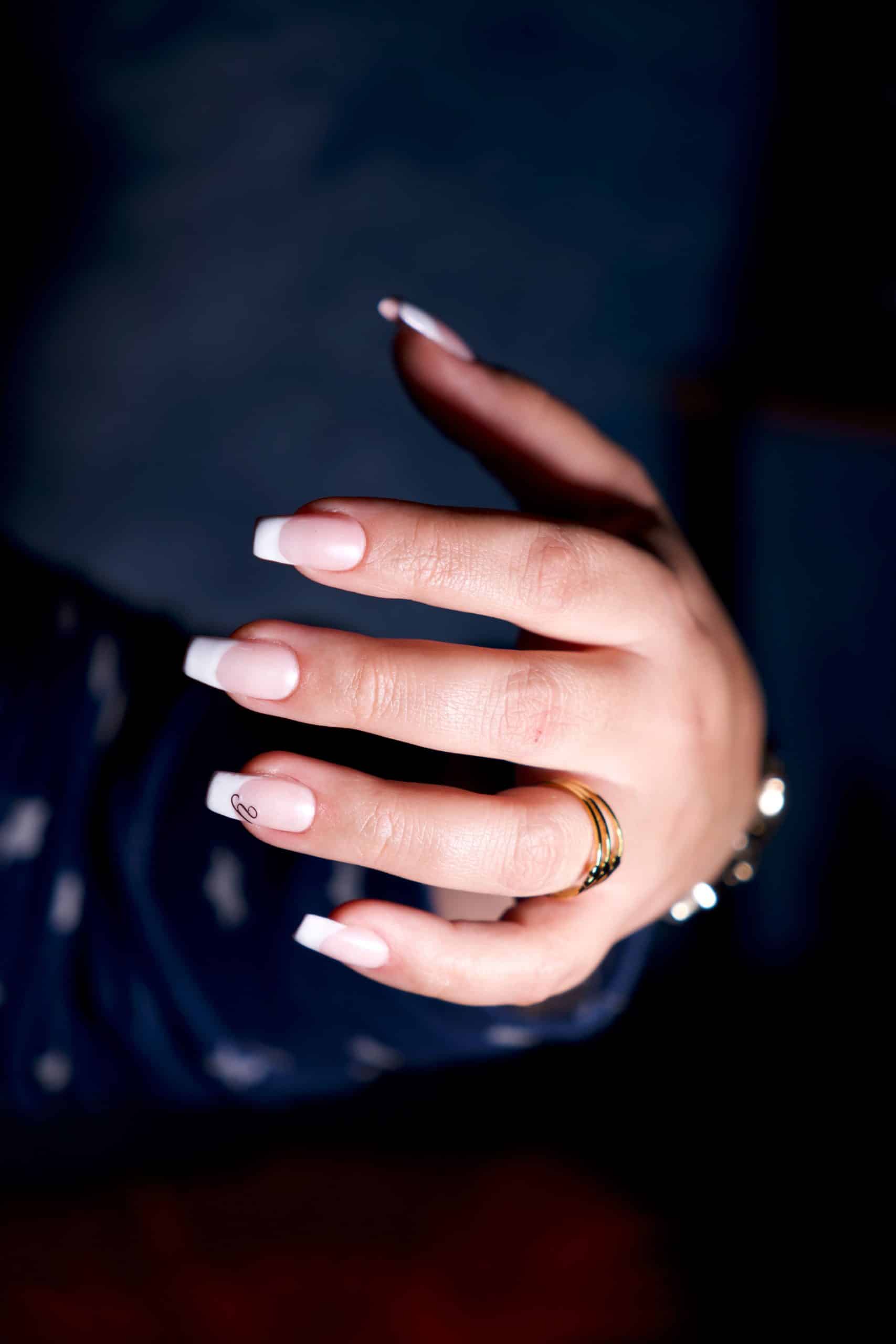
Gel-X tends to feel lighter on the nail because the tip itself is thin and pre-formed, so the gel layer over it just seals and strengthens rather than building the entire structure. The finished shape is also very consistent from nail to nail, since it comes from a mold rather than a freehand build.
A sculpted builder gel set can look more natural on an unusual nail bed, because the apex placement follows that specific nail rather than a generic tip curve, but the result depends much more on the tech’s hand than on the product. A rushed sculpted set can end up with an uneven apex; a rushed Gel-X application can end up with obvious seams at the smile line if the tip wasn’t blended properly.
Durability and lifespan
Wear time on both systems lands in a similar range with correct application and normal use, generally three to four weeks before a fill or removal is due. What actually shortens or extends that window has more to do with nail prep, cure time, and how the hands are used day to day than with which of the two methods was chosen. We go into the details of what stretches or shrinks that window in an upcoming dedicated guide to builder gel lifespan.
Removal: what’s actually different
Gel-X removal generally means soaking off the sealing gel layer and the tip adhesive together, close to a standard soak-off process, though the tip itself can take a little longer to loosen than a thin polish layer. A sculpted builder gel set, especially a thicker extension, usually needs the bulk filed down first before the remaining product is soaked off, simply because there’s more material to get through. Our full guide to removing gel nails safely at home covers the soak-off method step by step, and we’ll have a version focused specifically on thicker builder gel extensions in a future article.
On either system, the damage that actually hurts the natural nail comes from peeling or prying the product off instead of soaking or filing it down properly, or from over-filing during removal. If the nail bed stays sore, red, or swollen well after a removal, that’s worth a dermatologist visit rather than something to work through at home.
Cost comparison
Pricing varies a lot by salon and region, so treat any specific number with caution, but as a general rule Gel-X tends to run close to or slightly above a plain builder gel overlay, mostly because of the tip cost and the extra bonding step. Both usually come in below acrylic over the same number of fills, largely because the removal is gentler and takes less chair time. For the fuller acrylic-versus-Gel-X breakdown on durability, application time, and cost, see our Gel-X vs acrylic nails comparison.
Which should you choose?
A short breakdown by situation, whether you’re the client asking or the tech deciding what to offer:
- Want a very uniform, salon-consistent length and shape with less time in the chair: Gel-X is the easier route.
- Have unusually curved, narrow, or asymmetrical nail beds a stock tip doesn’t sit well on: sculpted builder gel adapts better.
- Just strengthening or lightly extending your own natural nails without a full tip kit: a builder gel overlay on the natural nail is the simpler starting point.
- A tech building a service menu from scratch: Gel-X is faster to get consistent early on, sculpted builder gel is worth learning alongside it for clients a tip kit can’t fit well.
Neither one is a strict upgrade over the other in the builder gel vs gel x debate. They’re both variations on the same builder gel chemistry, applied with a different starting shape, and the right pick comes down to the nail bed in front of you and how much hand-sculpting time is realistic for that appointment. Searching gel x vs builder gel usually comes down to that same question, just asked the other way around.
Builder gel vs Gel-X at a glance
| Aspect | Builder gel (sculpted) | Gel-X (pre-shaped tip) |
|---|---|---|
| Shape | Hand-sculpted per nail | Pre-formed tip, sized and filed to fit |
| Skill and speed | More skill, slower per nail | Faster once a tech has practice |
| Best fit | Unusual or asymmetrical nail beds | Uniform, salon-consistent shape |
| Feel and weight | Depends on the tech’s hand | Lighter, since the tip is thin and pre-formed |
| Removal | Bulk filed down, then soaked off | Soaks off close to a standard process |
| Cost | Baseline overlay pricing | Slightly higher, tip plus bonding step |
FAQ
Is Gel-X the same as builder gel?
Not exactly. Builder gel is the structural product itself. Gel-X is a system that uses a pre-shaped soft gel tip glued to the nail, then sealed with a thin layer of builder gel or a similar gel. Gel-X sets almost always contain builder gel as one step in the process.
Does Gel-X use builder gel?
Usually, yes. After the tip is glued on and blended, most Gel-X systems finish with a layer of builder gel or a comparable structural gel to seal the seam and add strength before curing.
Which lasts longer, Gel-X or builder gel?
Both typically hold for three to four weeks with correct application and normal wear. Lifespan comes down more to prep, cure time, and daily wear than to which of the two methods was used.
Is Gel-X or builder gel better for natural nails?
Both can be gentle on the natural nail when applied and removed correctly. Gel-X adds less bulk since the tip is thin and pre-shaped, while a sculpted builder gel overlay applied directly on the natural nail, with no tip, adds the least bulk overall.
Which is more expensive, Gel-X or builder gel?
Gel-X tends to cost a little more than a plain builder gel overlay because of the tip and the extra bonding step, though pricing varies by salon and region. Both are usually cheaper than acrylic across repeated fills.
Can Gel-X be removed the same way as builder gel?
Close to it. Both typically come off with a soak-off process, though a Gel-X tip can take a little longer to loosen than a thin gel layer, and a thick sculpted extension usually needs more filing first.
Which should a beginner nail tech learn first?
Gel-X is generally faster to get consistent results with early on, since the shape is largely built into the tip. Sculpted builder gel takes more practice but is worth learning alongside it for nail beds a standard tip kit doesn’t fit well.